

Get Inspired
Pool Tile Grout Mistakes That Can Ruin Your Pool
Mar
Pool Tile Grout – Why the Right Choice Matters
Selecting the right grout for pool tiles is a critical decision in both new installations and renovations. Grout serves as more than just a filler between tiles—it protects against water infiltration, ensures tile stability, and enhances the overall look of the pool.
However, many pool owners make mistakes when choosing, applying, or maintaining grout, leading to premature cracks, discoloration, and even loose tiles. Avoiding these errors and selecting the best grout for swimming pools will ensure long-term durability and a flawless finish.
At PoolTile.ca, we provide premium-quality pool tile grout designed to withstand moisture, chemicals, and extreme temperatures, ensuring a beautiful and long-lasting finish.

1. Choosing the Right Pool Tile Grout for Longevity and Performance
Why Not All Grout Works for Pools
Many people assume that all grout is the same, but pool environments require specialized materials that can withstand constant exposure to water, chlorine, and UV rays. Using the wrong grout can lead to quick deterioration, mold growth, and cracks.
Best Types of Grout for Pool Tile
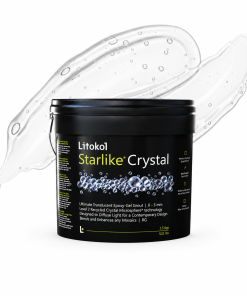
- Epoxy Grout – The Most Reliable Choice
- Completely waterproof and resistant to chemicals
- Non-porous, preventing mold and mildew
- Highly durable, lasting for decades with minimal maintenance
- Available at PoolTile.ca in multiple colors for a custom look
- Cement-Based Grout – A Budget-Friendly Option
- Less expensive but requires regular sealing
- Absorbs water, increasing the risk of cracking over time
- Best for areas with lower exposure to moisture
- Premixed Grout – Quick Repairs and Small Applications
- Easy to use, no mixing required
- Not ideal for large-scale pools or deep water areas
- Great for DIY repairs of minor grout damage
2. Common Mistakes When Applying Pool Tile Grout
Using the Wrong Type of Grout
One of the biggest mistakes in pool tile installations is choosing non-waterproof grout. Many standard grouts are not designed for submerged environments, leading to rapid erosion, discoloration, and detachment.
Solution: Always use epoxy or properly sealed cement-based grout designed specifically for pools.
Skipping the Sealing Process
If you use cement-based grout, failing to seal it properly allows water, chlorine, and salt to break it down, leading to cracks and algae buildup.
Solution: Use a high-quality grout sealer, such as those available at PoolTile.ca, and reapply it annually for maximum protection.
Applying Grout Incorrectly
Grouting seems simple, but uneven application can cause air pockets, weak spots, and premature cracking.
Solution: Follow best grouting practices, ensuring full coverage and proper curing time.
Ignoring Expansion Joints
Pools experience temperature fluctuations, causing materials to expand and contract. If grout doesn’t have enough flexibility, cracking and tile shifting occur.
Solution: Allow for expansion joints in the design and use flexible sealants in these areas.
3. How to Maintain Pool Tile Grout and Prevent Damage

Routine Cleaning Without Harsh Chemicals
Using acidic cleaners like vinegar can weaken grout over time. Instead, use pH-neutral, pool-safe cleaning solutions to prevent staining and erosion.
Checking for Early Signs of Damage
Small cracks or discoloration are early warnings that grout may need repair or replacement. Addressing these before they worsen prevents costly fixes.
Look for:
- Dark spots or mold growth
- Hairline cracks between tiles
- Loose or shifting tiles
Resealing for Extended Durability
For cement-based grout, sealing should be part of your annual maintenance routine. A good sealer prevents moisture penetration and extends the grout’s lifespan.
4. Repairing Cracked or Missing Pool Tile Grout
When Should You Repair Pool Grout?
If grout is cracked, missing, or loose, repairs should be done immediately to prevent further damage to the tiles and pool structure.
Step-by-Step Grout Repair Process

- Remove damaged grout using a grout saw or oscillating tool.
- Clean the tile joints thoroughly to remove dust and residue.
- Apply new grout, pressing it firmly into the joints.
- Wipe off excess grout with a damp sponge.
- Allow to cure for 24 hours before exposing it to water.
- Seal if necessary to protect against moisture and chemicals.
For professional-grade repair solutions, PoolTile.ca offers grout repair kits suitable for both DIY fixes and professional applications.
Conclusion – Choosing and Maintaining the Best Pool Tile Grout
Selecting the right pool tile grout and avoiding common mistakes is essential for a long-lasting, visually appealing pool. Epoxy grout is the best option for durability, while cement-based grout requires sealing to ensure longevity. Regular maintenance, proper sealing, and quick repairs will prevent costly issues and keep pool tiles secure and clean.
At PoolTile.ca, we offer a wide range of premium grout, sealers, and maintenance products to help homeowners and professionals maintain flawless pool finishes.
Invest in the best materials and follow expert techniques to keep your pool tile grout in top condition for years to come.

What Pool Tiles Work Best for Outdoor Pools?
Understanding the Best Pool Tiles for Outdoor Pools Choosing the best pool tiles for outdoor [...]
Oct

How to Choose Pool Tiles for Luxury Pools
Understanding Pool Tiles for Luxury Pools Choosing the right pool tiles is essential for creating [...]
Oct

What Pool Tiles Work Best for Modern Pools?
Understanding the Best Pool Tiles for Modern Pools Choosing the best pool tiles is crucial [...]
Oct

What Is Epoxy Grout and Why Is It Used in Pools?
Understanding Epoxy Grout and Its Importance Epoxy grout is a specialized type of grout designed [...]
Sep

Pool Tile Selection Guide for Developers
Understanding Pool Tile Selection Fundamentals When it comes to pool tile selection, developers need a [...]
Sep

What Is the Best Tile for a Swimming Pool?
Introduction to the Best Swimming Pool Tile Selecting the best swimming pool tile is an [...]
Sep

How to Choose the Right Pool Tile Supplier
Understanding the Role of a Pool Tile Supplier Choosing the right pool tile supplier is [...]
Sep
Do Patterned Pool Tiles Affect Water Color?
Understanding Patterned Pool Tiles and Their Impact Patterned pool tiles are a popular choice for [...]
Sep

If the original pool grout was not epoxy grout is there a sealer that can be placed to extend the life of the grout?
Thank you for your question!
If your pool was originally finished with a traditional cement-based grout (rather than epoxy), applying a high-quality penetrating sealer can indeed help extend its lifespan. These sealers work by absorbing into the grout and reducing water infiltration, staining, and the impact of pool chemicals.
That said, it’s important to keep expectations realistic—sealers do not make grout waterproof, and they won’t offer the same level of protection as epoxy grout. In a fully submerged environment like a pool, sealers will gradually wear off and require periodic reapplication.
For best results:
Choose a penetrating (impregnating) sealer specifically rated for wet or submerged conditions
Ensure the grout is fully cured and thoroughly cleaned before application
Plan for ongoing maintenance, as reapplication will be necessary over time depending on pool usage and water chemistry
While sealing can certainly help preserve existing grout, if you’re noticing significant deterioration, the most durable long-term solution is to regrout with an epoxy-based product. Epoxy grout provides superior resistance to water, chemicals, and staining—making it ideal for pool environments.
We hope this helps guide your decision!