

How To
Convert Pool to Saltwater Easily at Home

Mar
Convert Pool to Saltwater – A Smart Upgrade for Your Backyard
Owning a swimming pool is a dream for many homeowners, but maintaining a traditional chlorine pool can be costly and time-consuming. Many pool owners are switching to saltwater systems for a softer, healthier, and more eco-friendly swimming experience. If you’re wondering whether to convert your pool to saltwater, this guide will help you understand the benefits, costs, and step-by-step process.
A saltwater pool system is different from a conventional chlorine pool because it generates its own chlorine using salt and electrolysis. This means no more harsh chemicals, fewer maintenance headaches, and a more natural swimming experience. Let’s dive into everything you need to know before making the switch.
What is a Saltwater Pool System?
A saltwater pool system uses a salt chlorine generator to convert pool-grade salt into chlorine. Unlike traditional pools where chlorine is added manually, the salt cell continuously produces chlorine, maintaining a steady and consistent disinfection level.
How Does a Salt Chlorinator Work?
The process of chlorine generation in a saltwater pool involves electrolysis:
- Adding Salt to the Pool – The pool’s salinity level must reach between 2,500 to 3,500 ppm.
- Passing Water Through the Salt Cell – The water flows through the salt chlorine generator, which contains titanium plates.
- Electrolysis Process – The electrical charge separates sodium (Na) and chloride (Cl) ions, generating free chlorine.
- Chlorine Sanitizes the Pool – This chlorine kills bacteria, algae, and other contaminants.
- Recycling the Chlorine – After sanitation, chlorine converts back to salt, continuing the cycle.
Why Convert Your Pool to Saltwater?

Switching to a saltwater system offers a wide range of benefits compared to traditional chlorine pools.
1. Healthier for Swimmers
- Gentler on skin and eyes – Saltwater pools have lower chlorine levels, reducing eye irritation, dry skin, and allergies.
- Better for hair – Chlorine in traditional pools can make hair brittle and discolored, while saltwater pools prevent excessive dryness.
2. Lower Maintenance & Cost Savings
- No need to buy chlorine regularly – Saltwater pools generate chlorine continuously.
- Fewer chemical adjustments – The pH and chlorine levels stay balanced longer.
- Less pool shocking required – Traditional pools need regular chlorine shock treatments, while saltwater pools require fewer interventions.
3. More Eco-Friendly
- Less chemical waste – Reduces reliance on harsh chlorine chemicals.
- No chlorine storage hazards – Eliminates the risk of handling and storing toxic chemicals.
4. No Strong Chlorine Smell
- Unlike traditional pools, saltwater pools don’t have a strong chemical odor.
- The chlorine is naturally produced and dissipates evenly, keeping the pool water fresh and clear.
5. Longer Swimsuit & Equipment Life
- Traditional chlorine can degrade swimsuits, goggles, and pool accessories quickly.
- Saltwater pools are less harsh on pool liners, ladders, and railings.
Step-by-Step Guide to Convert Your Pool to Saltwater
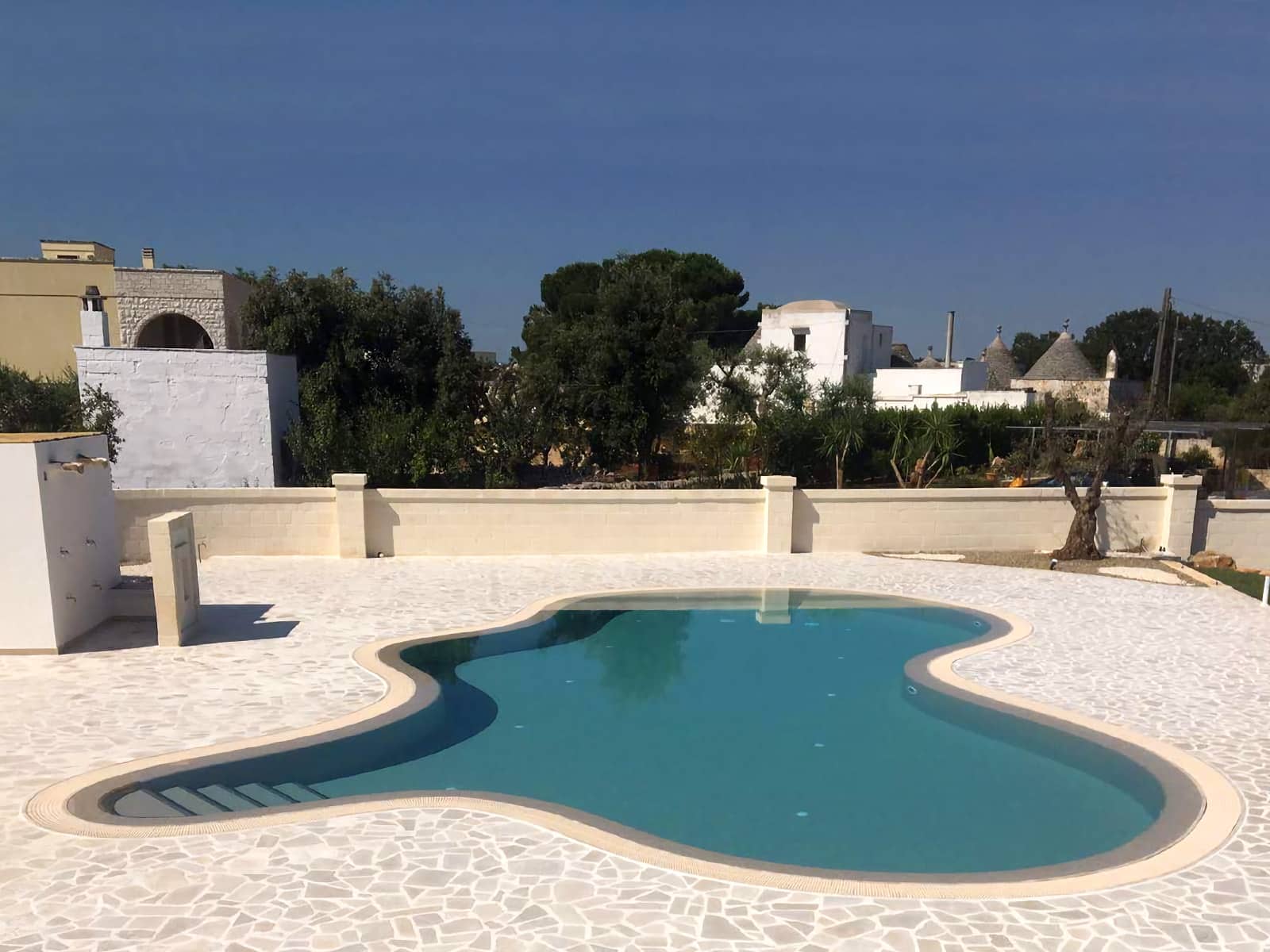
Making the switch to a saltwater system requires a few essential steps to ensure the transition is smooth.
Step 1: Check Pool Compatibility
Before converting your pool, consider:
- Pool material: Works best with vinyl, fiberglass, and concrete pools.
- Metal parts: Salt can corrode stainless steel and copper components.
- Existing filtration system: Ensure your pump and filter can handle saltwater.
Step 2: Choose a Salt Chlorine Generator
Picking the right salt chlorine generator (SCG) is crucial. Look for:
- A system rated 20-30% higher than your pool’s volume.
- Self-cleaning cells to prevent calcium buildup.
- Energy-efficient models for lower operating costs.
Step 3: Balance the Pool Water
Before adding salt, balance the water chemistry:
- pH: 7.2 – 7.6
- Total Alkalinity: 80 – 120 ppm
- Calcium Hardness: 200 – 400 ppm
- Cyanuric Acid: 30 – 50 ppm (acts as a chlorine stabilizer)
Step 4: Add Salt to the Pool
- Use high-purity pool-grade salt (avoid iodized table salt).
- Calculate how much salt is needed (usually 50 lbs per 2,000 gallons).
- Spread the salt evenly and allow it to dissolve completely.
Step 5: Install and Activate the Salt Chlorine Generator
- Install the salt cell after the filter and heater.
- Turn on the generator and let it run for 24-48 hours.
- Test and adjust chlorine output for optimal levels.
Maintenance Tips for Saltwater Pools

While saltwater pools are low-maintenance, some routine checks help keep the water crystal clear.
1. Monitor Salt Levels
- Keep the salinity at 2,500 – 3,500 ppm.
- Too much salt can damage equipment, while too little affects chlorine generation.
2. Clean the Salt Cell Regularly
- Mineral buildup reduces efficiency.
- Clean the salt cell every 3-6 months with a mild vinegar solution.
3. Check pH and Alkalinity
- Saltwater systems tend to raise pH over time.
- Use muriatic acid or sodium bisulfate to adjust levels.
4. Inspect Pool Equipment
- Saltwater can be mildly corrosive to metal components.
- Consider using zinc anodes to reduce corrosion risk.
Cost of Converting to a Saltwater Pool
The initial investment may seem high, but long-term savings make up for it.
| Expense | Estimated Cost |
|---|---|
| Salt Chlorine Generator | $800 – $2,500 |
| Pool-Grade Salt | $50 – $200 |
| Installation | $500 – $1,500 |
| Additional Upgrades | $300 – $1,000 |
Long-Term Savings
- Monthly maintenance drops to $20 – $30 (vs. $50 – $80 for chlorine pools).
- Less need for pool chemicals and shocking treatments.
FAQs
Is converting to a saltwater pool worth it?
Yes! It’s a low-maintenance, cost-effective, and healthier alternative to chlorine pools.
Can I convert any pool to saltwater?
Most pools can be converted, but ensure your liner, pump, and heater are salt-compatible.
Does a saltwater pool feel like the ocean?
No! Saltwater pools have far lower salinity than ocean water, making them gentle on the skin.
How long does a salt cell last?
Most salt cells last 3-7 years, depending on usage and maintenance.
Final Thoughts
Switching to a saltwater pool system is a smart investment for pool owners who want a gentler, eco-friendly, and low-maintenance swimming experience. By selecting the right equipment, maintaining proper water chemistry, and keeping up with routine maintenance, you can enjoy years of hassle-free swimming.
Thinking about making the switch? PoolTile.ca can help you with professional saltwater pool conversions today!
