

Epoxy Grout
Grout for Pool Tile – Best Types and Maintenance Tips

Feb
Grout for Pool Tile – Why It Matters for Durability and Style
When it comes to pool tile installation and maintenance, grout plays a crucial role in both structural integrity and aesthetics. The right grout ensures strong adhesion between tiles, prevents water penetration, and contributes to the overall look of the pool.
Choosing the best grout for pool tile depends on factors like water resistance, durability, and ease of maintenance. Using the wrong grout or failing to maintain it properly can lead to cracks, discoloration, and water damage, requiring costly repairs.
At PoolTile.ca, we provide high-quality grout options, including epoxy, cement-based, and premixed grouts, designed specifically for pool environments. In this guide, we’ll discuss the best grout types for pools, how to maintain grout, and tips for sealing it for long-lasting performance.
1. Best Types of Grout for Pool Tile
Epoxy Grout – The Most Durable Option
Epoxy grout is a top choice for pool tile installations due to its superior durability and performance. Designed to withstand constant water exposure, it provides exceptional protection against damage. This type of grout is:
- Completely waterproof, making it resistant to chemical exposure
- Non-porous, which helps prevent algae and mold growth
- Stain-resistant, ensuring a fresh and clean appearance for years
At PoolTile.ca, we offer premium water-resistant epoxy grout, perfect for both residential and commercial pools. While its initial cost is higher than traditional grout, the extended lifespan and minimal maintenance make it a cost-effective long-term solution.
Cement-Based Grout – A Traditional but Less Durable Choice
Cement-based grout is a budget-friendly option that works well in low-traffic pools. However, it is porous, meaning it requires sealing to prevent water absorption and mold formation. Without proper sealing, cement grout can crack over time due to constant water exposure.
For those looking for a cost-effective solution, PoolTile.ca offers high-quality cement-based grouts specifically designed for swimming pools.
Premixed Grout – A Convenient Option for Small Repairs
For minor repairs and regrouting projects, premixed grout is a great option. It eliminates the need for manual mixing, making it an easy-to-use solution for pool tile maintenance. However, it may not be as durable as epoxy grout, especially in high-traffic pool areas.
2. How to Maintain and Protect Grout for Pool Tile

Regular Cleaning to Prevent Stains and Mold
To keep pool grout in top condition, regular cleaning is essential. Use a soft brush and a pH-neutral cleaner to remove dirt, algae, and calcium buildup without damaging the grout. Avoid harsh chemicals like acidic cleaners, which can weaken the grout over time.
Sealing Grout for Long-Term Protection
Sealing is especially important for cement-based grout to prevent water absorption, cracks, and staining. A high-quality grout sealer forms a protective barrier that extends the lifespan of the grout. Epoxy grout does not require sealing, making it a more maintenance-friendly option.
At PoolTile.ca, we offer premium grout sealers that protect grout from moisture damage and chemical exposure.
Repairing Cracks and Missing Grout
Over time, pool tile grout may develop cracks or wear away, creating gaps that can lead to loose tiles and water leaks. To fix this:
- Remove the damaged grout using a grout saw or oscillating tool.
- Clean the tile gaps thoroughly to remove dust and debris.
- Apply new grout using a grout float, pressing it firmly into the spaces.
- Wipe off excess grout and allow it to cure before exposing it to water.
For professional-grade repair solutions, PoolTile.ca offers grout replacement kits for DIY fixes and professional applications.
3. Choosing the Right Grout Color for Pool Tiles

Matching Grout to Pool Tile Color
Grout color significantly affects the overall pool appearance. Light-colored grout blends seamlessly with white or blue tiles, while dark grout creates contrast for a bold design.
Popular Pool Grout Colors
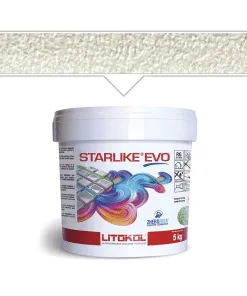


- White and light gray – Creates a clean, uniform look
- Blue and aqua – Enhances the water’s natural tone
- Dark gray and black – Modern, bold contrast
At PoolTile.ca, we offer a variety of grout colors to match different tile styles and pool aesthetics.
Common Mistakes to Avoid with Pool Tile Grout
Using the Wrong Grout Type
Using non-waterproof grout in a pool setting can lead to fast deterioration and costly repairs. Always choose epoxy or cement-based grout designed for pools.
Skipping the Sealing Step
For cement grout, skipping sealing allows water to penetrate, leading to mold growth and breakdown. Regular sealing protects against moisture and extends the grout’s life.
Ignoring Early Signs of Damage
Small cracks in grout can expand quickly, causing loose tiles and potential leaks. Addressing issues early prevents expensive renovations down the road.
Conclusion – Choosing and Maintaining the Best Grout for Pool Tile
Selecting the right grout for pool tile ensures durability, water resistance, and long-term performance. Epoxy grout is the best option for pools, while cement-based grout requires sealing for protection. Regular maintenance, proper sealing, and timely repairs help extend the life of pool tile grout.
At PoolTile.ca, we provide premium-quality grout, sealers, and maintenance products to help homeowners and professionals achieve flawless, long-lasting pool finishes.
Ensure your pool tile grout remains strong and beautiful by choosing the best materials and maintenance techniques today.

How to Budget for Pool Tile Installation
Understanding Pool Tile Installation Basics Planning a successful pool tile installation project requires understanding the [...]
Oct
Pool Tile Selection for Freeze–Thaw Environments
Understanding Pool Tile for Freeze Thaw Conditions Choosing the right pool tile for freeze thaw [...]
Oct

What Pool Tiles Work Best for Outdoor Pools?
Understanding the Best Pool Tiles for Outdoor Pools Choosing the best pool tiles for outdoor [...]
Oct

How to Choose Pool Tiles for Luxury Pools
Understanding Pool Tiles for Luxury Pools Choosing the right pool tiles is essential for creating [...]
Oct

What Pool Tiles Work Best for Modern Pools?
Understanding the Best Pool Tiles for Modern Pools Choosing the best pool tiles is crucial [...]
Oct

What Is Epoxy Grout and Why Is It Used in Pools?
Understanding Epoxy Grout and Its Importance Epoxy grout is a specialized type of grout designed [...]
Sep

Pool Tile Selection Guide for Developers
Understanding Pool Tile Selection Fundamentals When it comes to pool tile selection, developers need a [...]
Sep

What Is the Best Tile for a Swimming Pool?
Introduction to the Best Swimming Pool Tile Selecting the best swimming pool tile is an [...]
Sep
