

Climate, Environment & Regional Performance
What Pool Tiles Perform Best in Cold Climates?

May
Understanding Cold Climate Pool Tiles and Their Importance
Choosing the right cold climate pool tiles is essential for pool longevity in areas with freezing temperatures. This article promises to explain the characteristics that make certain tiles suitable for winter conditions, helping pool owners in Vancouver make informed decisions. With colder seasons, pools face challenges that demand specific tile properties. Knowing these requirements will safeguard pools from damage during winter. The information sets the foundation for exploring ideal tile materials for cold environments.
These tiles are specially designed to endure temperature fluctuations and prevent cracking during freezes. They often exhibit low water absorption rates to withstand frost cycles effectively. The best pool tiles cold climates exhibit durability through their composition and glaze quality. Such tiles reduce maintenance costs by resisting frost damage and chemical impacts. Choosing the proper tile enhances a pool’s lifespan even in harsh winters.
Winter resistant pool tiles typically use materials such as porcelain or natural stone, chosen for their resistance to moisture and freezing temperatures. Compared to standard tiles, frost proof pool tiles minimize expansion due to ice formation within the tile structure. This reduces the risk of structural damage under cold weather. Porcelain tiles’ dense nature limits water penetration, making them a preferred choice in cooler climates. Understanding these material benefits allows for better comparison among tile options.
In Vancouver, British Columbia, where winters can be mild yet pose freezing risks, selecting suitable materials for the region’s climate is crucial. Pool installations here benefit significantly from frost proof tiles, ensuring longevity. For instance, porcelain mosaic tiles often perform excellently, maintaining both appearance and durability. Installation must consider local weather patterns to maximize tile performance year-round. Such practical application highlights why certain tiles outperform others in this region.
Recognizing the importance of quality pool tile selection in cold climates naturally leads to the next topic: how chemical resistance complements frost resistance in pool tiles. Understanding combined performance factors will assist pool owners to further enhance tile durability. This foundational knowledge prepares for a detailed look at chemical resistance and its role.
Chemical Resistance and Its Role in Cold Climate Pool Tiles
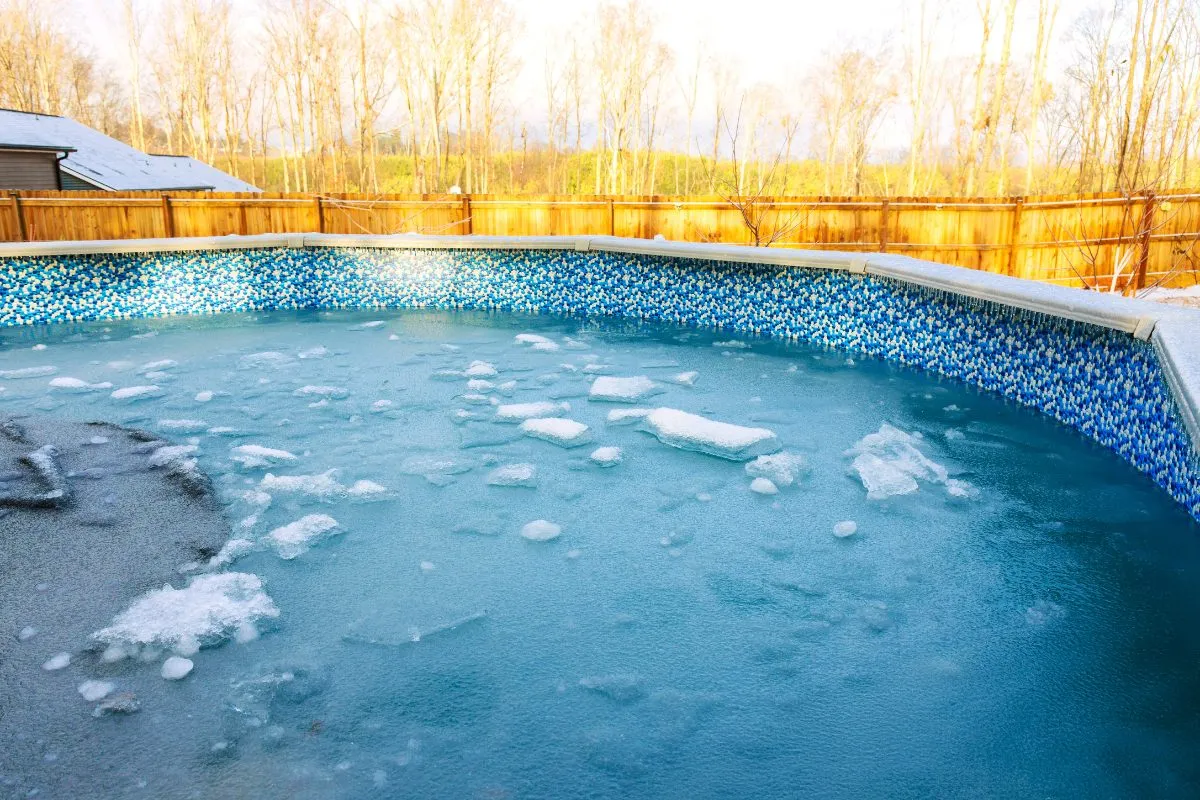
Exploring chemical resistance alongside cold climate pool tiles covers an essential aspect of pool tile performance. This section promises to clarify why chemical resistance is necessary for maintaining tile integrity, particularly during colder months when treatments increase. Chemical exposure can accelerate tile wear, so combining resistance features is vital. Understanding this connection improves tile choice suitable for Vancouver pool owners seeking durable options. This knowledge supports overall tile longevity strategies.
Chemical resistance refers to a tile’s ability to withstand pool chemicals like chlorine without degrading or discoloring. Tiles in cold climates must handle fluctuating chemical levels due to less frequent maintenance in winter. Tiles lacking adequate resistance are prone to surface damage, which worsens in freezing conditions. Thus, the best pool tiles cold climates are often frost proof types with enhanced chemical durability. They resist both environmental and chemical stresses efficiently.
When combined, frost proof tiles and chemical resistance make for an ideal duo that withstands cold weather and chemical attacks simultaneously. Tiles designed with dense glazes repel chemicals and prevent water infiltration, reducing freeze-thaw damage. In Vancouver, pool owners benefit by reducing maintenance interruptions and costly tile replacements. Comparing tile options by their combined features simplifies selecting winter resistant options that also endure chemical exposure.
Practical application of chemical resistance includes choosing porcelain tiles that balance low water absorption and chemical neutrality. Some suppliers provide frost proof tiles certified for both freeze resistance and chemical stability. Pool contractors in Vancouver recommend these materials for longevity under regional climate conditions. Pool owners are advised to review product specs to ensure tiles meet both criteria. This approach minimizes failures caused by weather or chemical damage during the pool’s off-season.
Understanding chemical resistance’s importance naturally transitions to exploring the most effective tile materials suitable for such weather. Insight into material properties will further assist informed tile selection choices that fit both climate and chemical requirements.
Top Materials for Cold Weather Pool Tile Performance
This section delves into the specific cold weather pool tile materials that outperform others in cold climate conditions. It promises a detailed review of material benefits so Vancouver pool owners can select wisely. Explaining material properties like porosity and durability helps clarify tile performance in freezing weather. Highlighting these tile types ensures readers understand why some outperform others. This clarity supports confident decisions regarding pool tile purchases for winter resilience.
Common materials include porcelain, natural stone, and some glass tiles crafted for outdoor use. Porcelain is favored for its density and low water absorption, critical to frost proof tiles. Natural stone varieties offer aesthetic appeal but vary widely in durability and maintenance demands. Specialized glass tiles may resist weather but require careful installation to minimize damage risk. These materials are selected based on their proven cold climate resistance and longevity.
Comparing these materials, porcelain tiles generally provide the best balance between durability, cost, and appearance for cold climates. Stone tiles may require sealing and additional care to ensure frost protection. Glass tiles can add style but risk cracking if improperly installed or exposed to freeze-thaw cycles. Each material’s unique qualities must be considered alongside regional climate, particularly in Vancouver, that sees seasonal temperature shifts. This comparison aids homeowners in prioritizing the best pool tiles cold climates demand.
An example of material selection is Vancouver pool installations that often prefer frost proof porcelain tiles. These tiles withstand cold climate challenges and reduce maintenance needs. By contrast, pools using untreated stone tiles may face frequent repairs or resealing due to weather damage. Glass tiles find niche use in decorative accents rather than full pool linings. Proper material choice dramatically affects pool tile performance and longevity in the local environment.
Having identified suitable materials, the next focus turns to practical maintenance and installation tips to maximize performance in cold weather. This guidance helps ensure investments in quality tiles are well protected.
Installation and Maintenance Tips for Cold Climate Pool Tiles
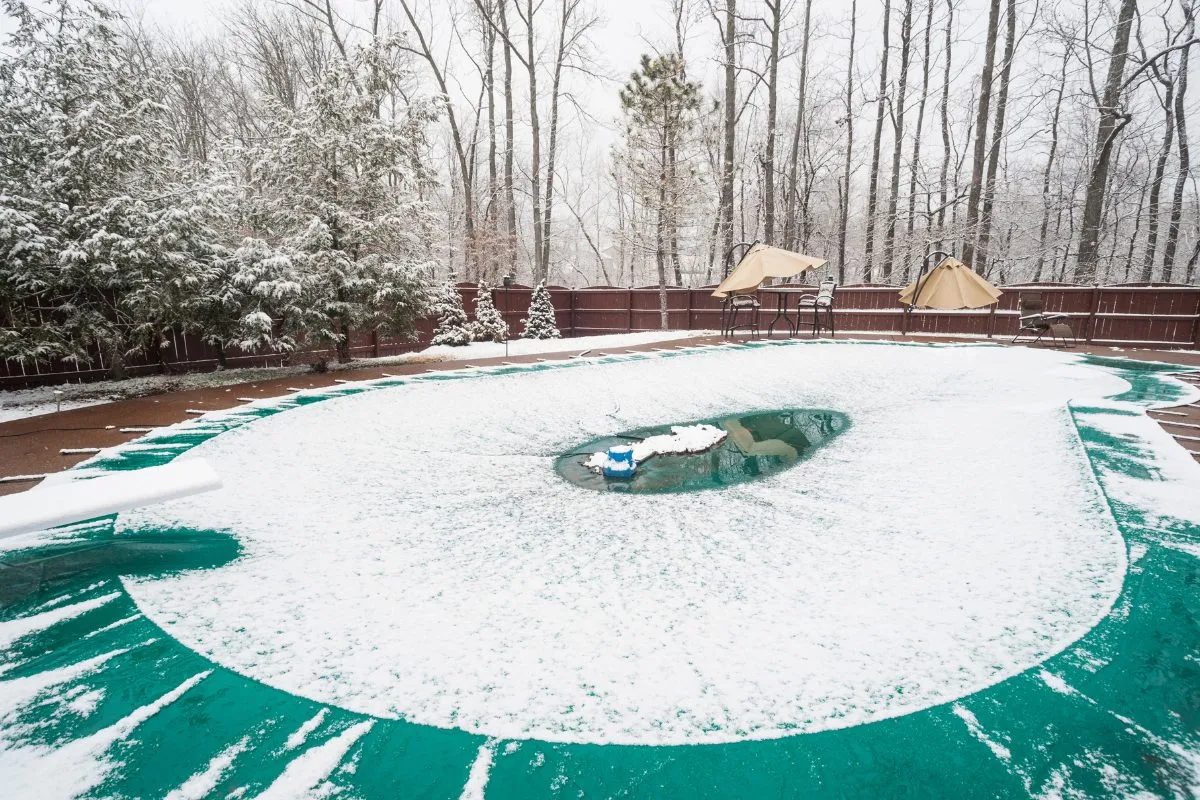
Proper installation and maintenance are critical for optimizing the lifespan of these tiles. This section promises actionable advice targeted at ensuring winter resistant tiles withstand harsh conditions effectively. Understanding best practices supports pool owners and professionals in Vancouver management during cold seasons. Providing practical recommendations helps prevent common tile failures caused by installation errors or neglected upkeep. This section aims to equip readers with effective care strategies for frost proof types.
Installation requires appropriate adhesives and grout that withstand freeze-thaw cycles without cracking or detaching. Using frost proof materials ensures the bond remains intact despite temperature swings. Maintenance involves monitoring grout integrity and promptly repairing any cracks that could allow water infiltration. Regular cleaning prevents chemical buildup that might degrade tiles. These steps collectively preserve tile appearance and structural soundness through winters.
In comparison to warm climate installations, colder protocols place higher emphasis on sealing and waterproofing. Installation teams in Vancouver apply specialized grouts designed to resist chemical attack and moisture penetration. Pool owners benefit from scheduling pre-winter inspections to catch damage early. Neglecting maintenance can lead to costly replacement due to frost damage. Thus, careful adherence to these tips maximizes the advantages of cold weather tile materials.
For example, a Vancouver homeowner using winter resistant tiles will enhance durability by selecting chemical-resistant grout and scheduling annual pool winterization. Addressing small grout cracks before freezing protects the tiles from expanding ice damage. Applying sealants designed for cold climates adds another protective layer. Aligning installation and maintenance practices with climate realities ensures pools maintain their aesthetic and functional qualities year-round.
These installation and maintenance insights lead naturally into exploring design considerations unique to cold climate pool tiles. Understanding aesthetics alongside performance completes a holistic approach to pool tile selection and care.
Design Considerations and Aesthetic Trends for Cold Climate Pool Tiles
This final section focuses on the design and aesthetic trends relevant to these tiles, promising to offer inspiration alongside performance advice. Pool owners in Vancouver seek options that combine durability with pleasing visuals. Highlighting popular styles and finishes helps balance technical and decorative needs. Discussing design adaptations for cold weather ensures aesthetic choices do not compromise functionality. This section aims to round out the topic by integrating style with resilience.
Cold climate pool tiles available today come in various textures, colors, and patterns suited to withstand freezing temperatures without losing charm. Matte or textured finishes often reduce slipperiness when wet or icy. Neutral and cool tones complement the surrounding natural landscape in Vancouver’s climate. Tile sizes and shapes also factor into aesthetic appeal and installation ease. Trends embrace combining practical frost proof qualities with modern design preferences.
Comparatively, some selections prioritize ease of maintenance with simple patterns, while others emphasize vibrant colors that resist fading. Designers recommend pairing frost resistance with visual depth to create inviting pool environments during all seasons. Such balance is key for pools used year-round despite Vancouver’s seasonal changes. Thoughtful design elevates pool aesthetics while supporting functional demands.
An example includes homeowners opting for mosaic porcelain tiles in soft blues and grays that evoke water elements while ensuring durability. Accent tiles with textured surfaces add dimension and safety around pool edges. Keeping design flexible allows adaptation to future trends without compromising winter resistance. This approach merges style and substance effectively for cold climate pools.
With a full understanding of performance, materials, maintenance, and design considerations for cold climate pool tiles, readers are well prepared to select optimal tiles for their pools in Vancouver, British Columbia. For more on chemical resistance’s critical role, visit the detailed guide at this link. To expand knowledge on pool tile durability, also explore related insights by PoolTile US experts. Additionally, understanding the technical aspects of frost proof tiles will improve decision-making when it comes to protecting pools from cold weather stress.
- Choose frost proof pool tiles with low water absorption.
- Ensure installation uses winter-safe adhesives and grout.
- Maintain grout and seals regularly to prevent water infiltration.
- Select chemical-resistant tiles to withstand pool treatments.
- Incorporate anti-slip finishes for safer pool surfaces in cold weather.
- Follow regional recommendations specific to Vancouver climate conditions.
