

Pool Tile Selection & Comparison
What Pool Tile Finish Is Best: Glossy or Matte?

May
Understanding Pool Tile Finish Options
Choosing the right pool tile finish is essential for both the aesthetic and longevity of your pool. This article explores the differences between glossy and matte pool tile finish types to help you make an informed decision. We will explain the unique features of each finish and offer guidance on which might suit your pool environment best. Understanding these finishes can significantly impact the look and feel of your outdoor oasis. Before making your choice, knowing the benefits and drawbacks of each finish can save you time and resources.
A pool tile finish refers to the texture and sheen on the tile surface, which influences how the tiles reflect light and resist wear. Glossy pool tiles have a shiny, reflective surface that brightens the pool area, while matte pool tiles provide a more subdued, natural look with less glare. The pool tile surface finish affects not only appearance but also safety and maintenance. Both finishes are popular but serve different practical and design purposes.
The implication of selecting a glossy vs matte type is seen in how each interacts with water and light. Glossy finishes amplify light reflection, often giving pools a vibrant and luxurious feel. Alternatively, matte finishes tend to hide water spots and surface scratches, making them suitable for high-traffic or heavily used pools. Comparing these finishes reveals that your environment, usage, and style preference play crucial roles. Understanding this contrast ensures your choice complements your pool’s unique characteristics.
For example, in Vancouver, where overcast weather limits bright sunlight, glossy tiles might enhance light reflection around your pool, brightening the area. On the other hand, matte tiles work well in Toronto’s sunny climate, minimizing glare and offering a modern aesthetic. Depending on your region, the choice in finish can either optimize comfort or elevate style. Thus, knowing your local environment informs your tile decision effectively.
With these fundamentals outlined, we can now explore the practical pros and cons of each finish in greater detail to help finalize your selection. This next section will delve deeper into characteristics that set glossy and matte finishes apart under different usage scenarios.
Pros and Cons of Glossy Pool Tiles
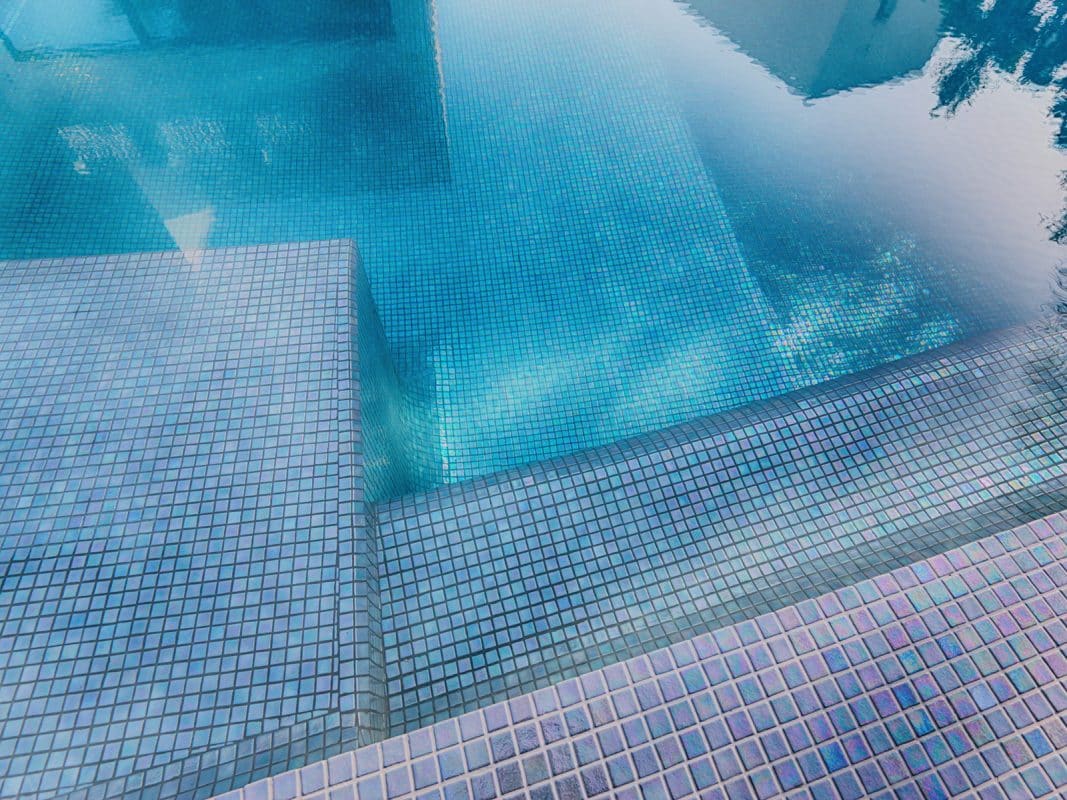
Glossy pool tiles are beloved for their shimmering finish, which can transform a pool into a sparkling centerpiece. This section will highlight advantages and limitations tied to glossy options. By understanding these aspects, you can determine if this finish matches your pool’s aesthetic and functional demands. The intent is to clarify why many homeowners favor this vibrant, light-enhancing option. Making an informed choice helps align your tile finish with your pool’s usage and style.
The core feature of glossy tiles is their reflective surface that enhances light penetration. This sheen results from a glazing or polishing process applied during manufacturing. Consequently, glossy tiles highlight water clarity and color vividly. However, this finish can also show water spots and mineral deposits more readily than matte options. Maintaining this look may require more frequent cleaning to preserve its sparkle and pristine look.
An important consideration for glossy finishes is their impact on pool safety and durability. The smooth surface can sometimes be slippery when wet, raising concerns in households with children or frequent swimmers. Additionally, glossy tiles may be prone to visible scratches and etching over time, especially in areas exposed to harsh pool chemicals. Despite these drawbacks, many owners find the striking appearance worth the upkeep. This surface type typically commands attention and elevates pool design.
For example, a pool in Vancouver with glossy tiles might gleam despite cloudy skies, creating an inviting atmosphere. Yet, the maintenance demands mean that owners must regularly wipe down tiles to avoid mineral markings. This dynamic illustrates how regional water conditions and climate can influence the care required for glossy tiles. Thus, users should weigh aesthetic appeal against maintenance efforts for their specific setting.
Having reviewed glossy options, we can transition to discussing matte ones to provide a balanced understanding of the main pool tile surface finish options available to homeowners today.
Advantages and Considerations for Matte Pool Tiles
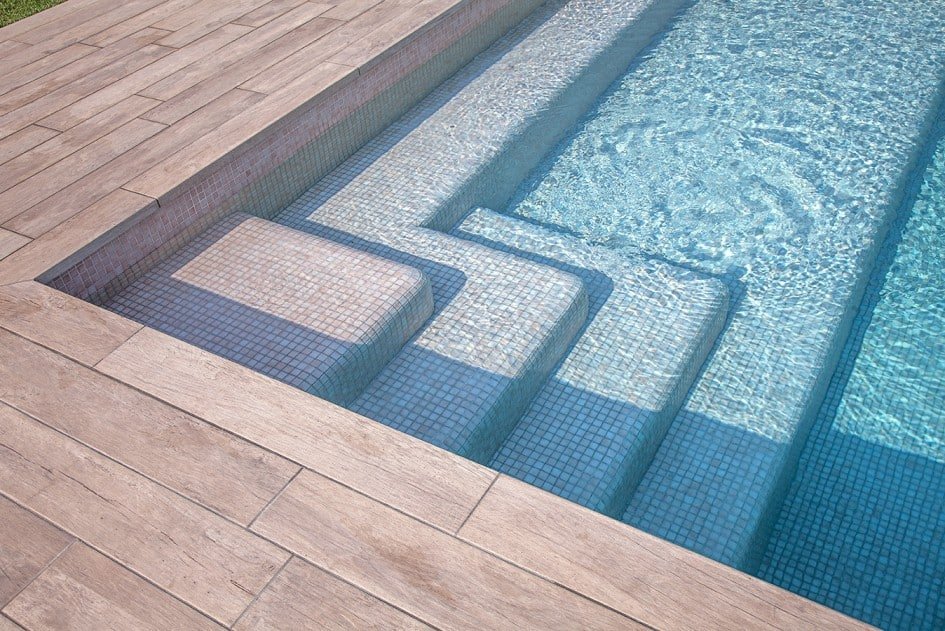
Matte pool tiles offer a less reflective, more natural appearance compared to glossy finishes. This section reveals the benefits and challenges matte tiles bring to pool design. A comprehensive look at these tiles helps you decide if their understated style and practical qualities suit your pool needs. We aim to assist you in exploring how texture and finish interplay when selecting the best finish for your lifestyle and region. Matte tiles often appeal to those seeking a subtle, modern pool ambiance.
By definition, matte tiles possess a dull, non-reflective surface that reduces glare. This is achieved through unglazed or lightly glazed manufacturing techniques. The less shiny surface can better conceal dirt, water spots, and surface imperfections, making matte tiles easier to maintain visually. This finish handles wear differently, sometimes feeling rougher to the touch. Their texture can enhance grip, which adds a safety benefit around pool edges.
The practical implications of choosing matte pools extend to maintenance and safety. Matte finishes generally require less frequent cleaning to look pristine because they do not highlight spots or streaks. Furthermore, their textured finish provides a slip-resistant surface ideal for family pools. In comparison with glossy alternatives, matte options may better withstand minor scratches without obvious damage. These features combine to make matte an appealing option for pool owners prioritizing function over high shine.
In the Toronto region, with brighter conditions, matte tiles help minimize intense reflections that could disrupt the swimming experience. Pool owners there often appreciate the calming visual effect of matte finishes paired with their durability. This regional preference emphasizes how environmental factors influence the choice of pool tile surface finish. Selecting matte reflects a balance between aesthetic taste and practical needs shaped by local circumstances.
After understanding matte tiles, we will next present a direct comparison of glossy vs matte to summarize their differences and guide your final tile finish decision.
Glossy vs Matte Pool Tiles: Key Differences
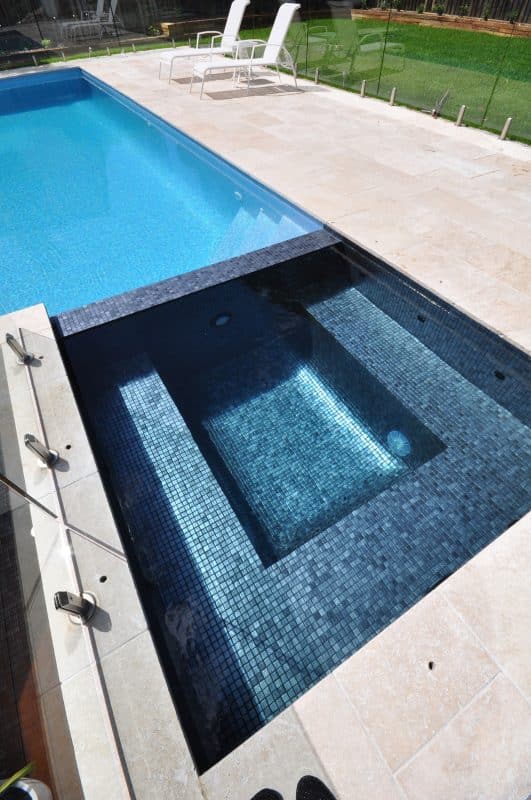
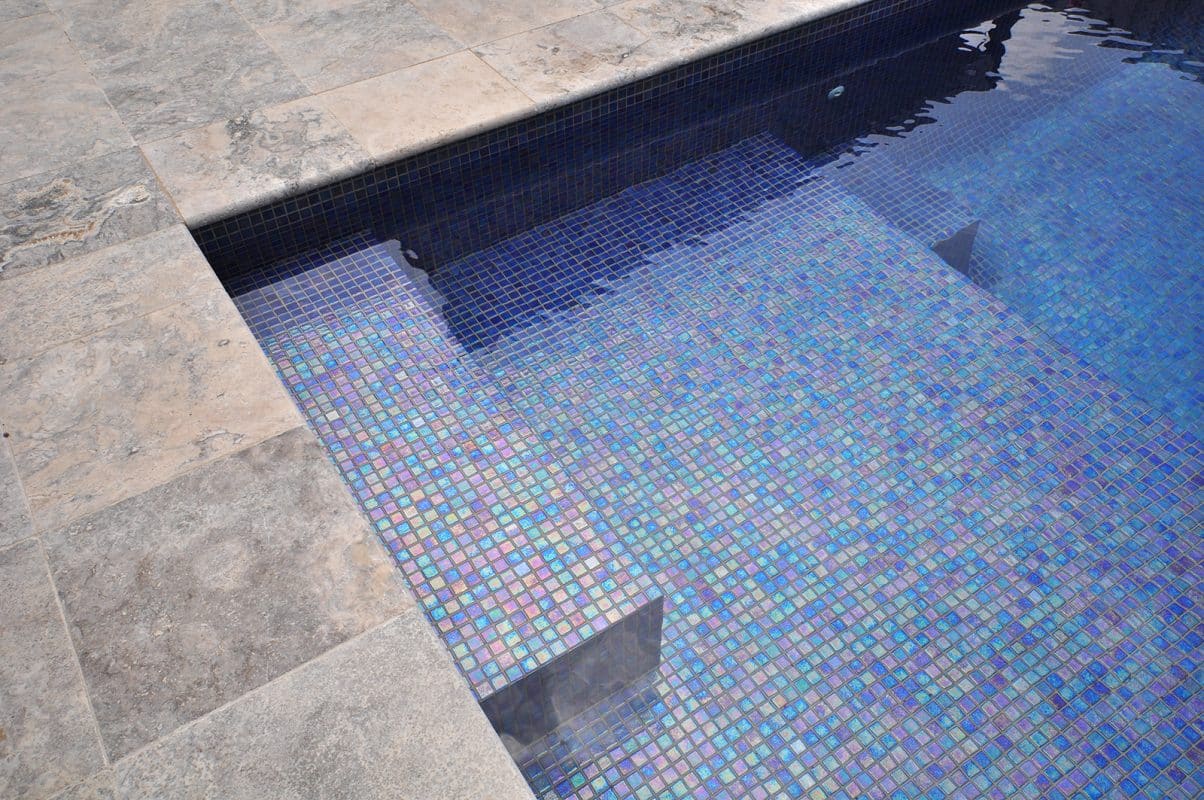
This section compares these finishes side by side to illuminate their distinct characteristics and help finalize your choice. Understanding their differences in appearance, maintenance, and safety allows smarter decisions tailored to your pool environment. We will break down critical factors like light reflection, cleaning demands, and slip resistance. This thorough comparison equips you with insights beyond general descriptions. Making the right choice involves weighing which attributes align best with your pool use and design goals.
Glossy tiles offer high shine and vivid light play, often amplifying water color and making pools visually striking. Meanwhile, matte tiles provide muted light reflection, lending understated elegance and reducing glare around the pool. Maintenance varies; glossy tiles require more wiping to prevent water marks, while matte options hide imperfections better and may need simpler upkeep routines. Safety is another difference: matte tiles tend to provide better slip resistance due to their texture, whereas glossy tiles can be slicker when wet.
When balancing these factors, location is pivotal. In Vancouver’s diffuse light, glossy tiles can brighten outdoor pools effectively. Conversely, matte tiles suit Toronto’s sunnier climate by reducing harsh reflections. Both finishes offer durable options for pools but cater to different aesthetic and practical priorities. This contextual insight ensures the tile finish you choose won’t just look good but will perform well in your specific setting.
For example, homeowners debating between glossy and matte finishes might consider a busy family pool where safety is key. In such cases, matte options reduce slip hazards and mask dirt, making them preferable. Alternatively, a pool designed for entertaining might benefit visually from glossy tiles’ striking light effects. This practical application underscores why recognizing key differences alters how you evaluate surface finish options practically.
Now that we have compared glossy vs matte in detail, our next section provides tips on selecting the best finish based on your pool’s usage and surroundings.
Selecting the Best Pool Tile Finish for Your Needs
Choosing the best finish requires considering your pool’s function, style preferences, and maintenance willingness. This section offers clear criteria for selecting between glossy and matte options. By applying these factors, you can confidently pick a finish that meets both aesthetic goals and practical demands. We aim to support you in making a choice that enhances your pool experience while fitting your lifestyle. Proper selection leads to long-term satisfaction and fewer surprises.
Evaluate how often the pool is used and by whom. High-traffic pools with children may benefit from the enhanced slip resistance and camouflage properties of matte tiles. Conversely, pools used primarily for relaxing or entertaining might gain from the brilliant light effects of glossy tiles. Think also about your cleaning routine; glossy finishes often require more frequent attention to maintain their shine. This type needs careful upkeep but can reward with dazzling beauty.
Consider also the regional climate and water conditions. Vancouver’s softer light favors glossy tiles to brighten the area, while Toronto’s sun-rich environment suits matte finishes that cut down glare. Additionally, water quality can affect tile cleaning frequency, influencing your choice. These factors show why adapting your selection to the local environment is smart. Doing so will ensure the finish remains attractive and functional year-round.
To assist further, explore detailed options on pool tiles through this comprehensive guide on types of swimming pool tiles. This resource complements our discussion by expanding your understanding of everything from material to finish. Integrating this knowledge ensures your final choice integrates seamlessly with your overall pool design. Accessing expert information empowers you to make the best decision tailored to your unique requirements.
Ultimately, taking a holistic approach that blends aesthetic, safety, and maintenance considerations maximizes the longevity and enjoyment of your tile finish. Our concluding section wraps up key points and encourages you toward your best choice for pool tile surface finish.
Conclusion: Making the Best Pool Tile Finish Decision
Deciding on the optimal finish demands a balance of beauty, function, and upkeep. We have examined both glossy and matte options, emphasizing their unique qualities and suitable environments. This synthesis provides a solid foundation for selecting the right finish for your home. Your decision should align with your pool’s usage patterns and regional conditions to achieve lasting satisfaction. Remember, the right finish enhances your pool’s charm while meeting practical demands effectively.
Glossy tiles impress with their radiant shine and luxurious appeal but may require regular cleaning and be slightly less safe when wet. Matte tiles offer subtle elegance, hide imperfections well, and improve safety through texture, usually demanding less maintenance. Both choices fit different priorities and pool designs, making understanding your own needs essential. Pool owners in Vancouver or Toronto alike face similar decisions influenced by climate and lifestyle.
By combining the points covered, you can confidently select a tile finish that enhances your outdoor space. Should you want to explore more about tiles suitable for pools, you can visit this useful guide on types of swimming pool tiles. This external resource complements your knowledge about tile finishes and materials comprehensively.
- Assess your pool usage and prioritize safety accordingly.
- Consider climate impacts on tile performance and appearance.
- Balance aesthetic preferences with maintenance capability.
- Investigate product options thoroughly before purchasing.
- Use expert resources for comprehensive understanding.
- Match the tile finish style with your pool’s design theme.
Choosing wisely ensures that your pool not only looks fantastic but remains practical and enjoyable for years. Ultimately, your pool tile finish is a key element in creating the perfect pool environment. Thoughtful decision-making today leads to greater satisfaction tomorrow.
