

Pool Waterline
Cost Comparison: Glass Mosaic vs Porcelain Pool Tile

May
Understanding the Cost Differences in Glass vs Porcelain Pool Tile
Choosing between glass vs porcelain pool tile is a crucial step in pool design that impacts both aesthetics and budget. This article promises a clear cost comparison to help you decide wisely. When considering glass mosaic vs porcelain pools, it’s essential to weigh initial expenses against long-term benefits. Cost factors vary widely due to material, installation, and maintenance demands. Montreal homeowners often face unique pricing dynamics shaped by regional supply and demand.
Glass vs porcelain tiles differ fundamentally in their composition and manufacturing processes. Glass tiles are crafted from recycled or new glass, offering vibrant color options. Porcelain tiles, made from refined clay, are fired at high temperatures, making them dense and durable. These manufacturing distinctions lead to varied cost structures and price points between the two. The material cost comparison includes unit price, accessibility, and labor intensity during installation.
Expanding on this, porcelain vs glass pool tiles each bring distinct advantages affecting cost-effectiveness. Porcelain tiles generally have a lower price per square foot than glass tiles. However, glass tiles provide a higher-end look that may justify their expense for some. Installation of glass tiles might take longer due to their fragility, increasing labor costs. Comparing the total investment helps Montreal pool owners make sustainable decisions.
For instance, a standard swimming pool renovation in Montreal often sees porcelain tiles costing between $8 to $15 per square foot, while glass tiles can range from $20 to $30. These numbers highlight why pool tile material cost comparison matters deeply. If budget constraints dominate, porcelain tiles typically offer more value. Conversely, a luxury pool design might favor the sparkling aesthetics of glass mosaic tiles.
In summary, understanding glass vs porcelain pool tile costs helps balance desire and practicality. By assessing both initial price and installation complexity, pool owners gain clarity. The next section will break down installation expense variations, guiding your overall project cost assessment.
Installation Cost Variations for Glass versus Porcelain Tiles in Pools
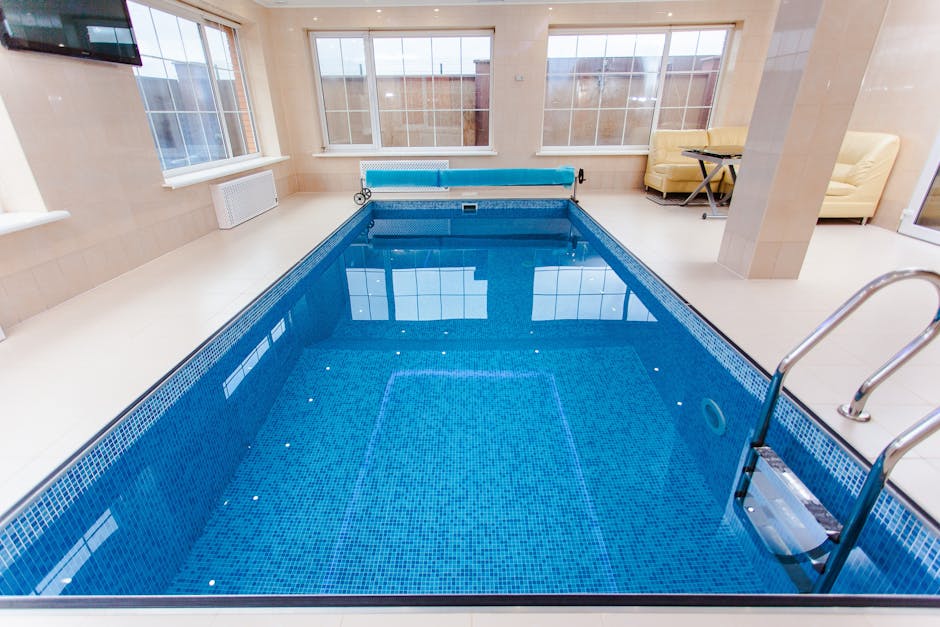
Installation costs significantly impact the total expense in glass vs porcelain pool tile projects in Montreal pools. This section introduces what installation expenses entail and why they vary by material. Knowing the distinct labor and technique demands helps homeowners anticipate the full budget. While material price is upfront, installation intricacies can shift final costs unexpectedly. Regional installers in Quebec also influence pricing based on skill and demand.
Glass mosaic tiles require specialized cutting and setting tools because their delicate nature demands careful handling. Porcelain tiles, being more robust, are easier to cut accurately. Glass tiles often need adhesive that accommodates thermal expansion, adding to supply costs. These factors raise the labor charges for glass mosaic vs porcelain pools installations. Installation time also tends to be longer with glass tiles, affecting overall labor pricing.
Moreover, the cost variance reflects durability and rework potential. Porcelain tiles have lower breakage rates during installation, cutting down wastage. Glass pool tiles, though visually stunning, can fracture more easily if mishandled, resulting in replacement expenses. In Montreal, selecting experienced installers familiar with pool tile material cost comparison improves quality while optimizing cost. Choosing local professionals ensures adaptation to climate which influences installation techniques.
An application example is a residential pool project using porcelain tiles that took 3 days to install compared to a similar-size glass mosaic tile job lasting 5 days. The extended labor time for the delicate option increases overall costs even if the material is premium priced. Understanding these installation cost implications helps Montreal homeowners manage budgets wisely. This knowledge supports better planning when budgeting for pool tile upgrades.
To conclude, installation cost differences between the two tile types directly affect project feasibility. Recognizing these factors enables informed decisions. Up next, we will explore maintenance costs, an important lifetime expense consideration in the glass vs porcelain pool tile debate.
Maintenance Cost Considerations for Glass vs Porcelain Pool Tile
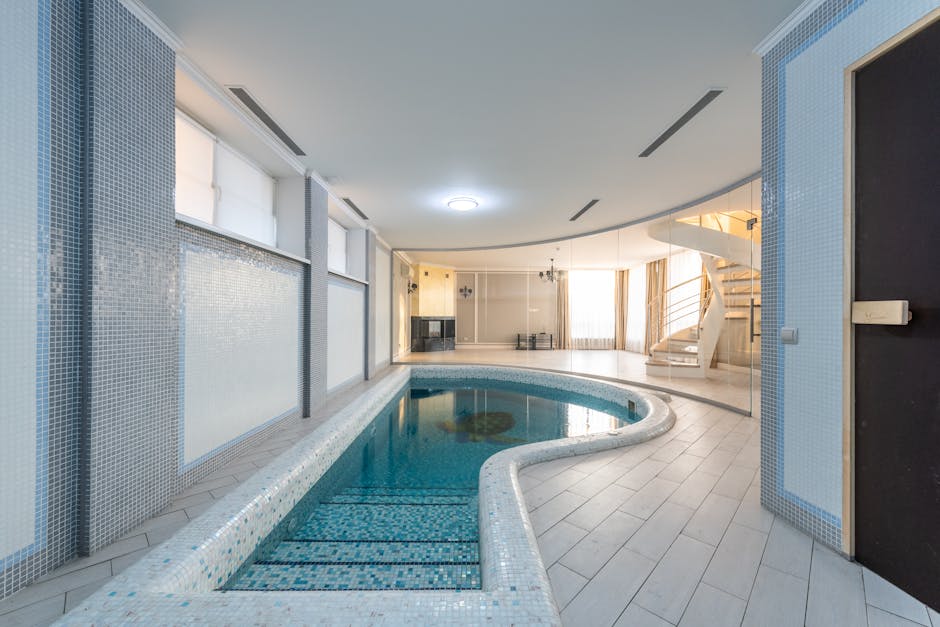
Maintenance is a critical factor when comparing glass vs porcelain pool tile costs, particularly in a climate like Montreal’s. This section promises insights into typical upkeep needs and related expenses. Pool tile material cost comparison goes beyond initial spend to include upkeep influenced by weather, use, and chemical exposure. Both types require routine care, but differences in vulnerability shape long-term maintenance costs.
Glass tiles tend to be more resistant to stains and chemical corrosion due to their non-porous surface. Porcelain tiles are durable but can be susceptible to surface scratches or grout discoloration. Chemical resistance in pool tile selection plays an essential role in determining the longevity and cleaning frequency of your tiles. Frequent exposure to pool chemicals necessitates tiles that withstand harsh conditions without deteriorating.
Comparative maintenance involves evaluating cleaning methods and the likelihood of repairs. Glass tiles often require gentle cleaning solutions, while porcelain tiles accommodate broader cleaning agents. According to this external source on chemical resistance, choosing the right tile material can reduce costly upkeep and extend pool life. Pool owners in Québec especially benefit from informed selection due to seasonal chemical balancing needs.
For example, year-round pool use in Montreal requires tiles that resist freeze-thaw damage and chemical erosion. Porcelain tiles might need occasional sealing to maintain grout integrity, while glass tiles demand regular but less intensive cleaning. This comparison demonstrates that ongoing maintenance costs can narrow initial price gaps. Pool owners factoring these costs create more accurate lifetime expense forecasts.
Ultimately, maintenance cost considerations emphasize the importance of material choice beyond installation. Consistent care impacts overall investment and pool appearance. The discussion now leads to evaluating aesthetic and performance differences to finalize material choice for your pool project.
Aesthetic Appeal and Performance Impact on Cost: Glass vs Porcelain Pool Tile
This section focuses on how aesthetic and performance factors intertwine with the cost of glass vs porcelain pool tile. Understanding this balance promises clarity in choosing tiles that meet visual and functional goals in Montreal. Aesthetic appeal goes hand in hand with performance, affecting perceived value and long-term satisfaction. Pool tile material cost comparison involves weighing looks against durability and maintenance ease.
Glass mosaic tiles are prized for their reflective surfaces and vibrant colors, enhancing pool ambiance uniquely. Porcelain tiles come in diverse textures and finishes but typically offer a subtler aesthetic impact. Performance-wise, porcelain excels in hardness and resistance to chips, while glass tiles may be more fragile yet provide a luxurious look. These attributes influence how each tile type retains beauty and function over time.
The cost implication of aesthetic and performance differences manifests in potential repairs and replacements. Pools featuring glass tiles might require more frequent inspections due to fragility, increasing upkeep costs. However, their visual impact can elevate property value and justify higher initial investment. Porcelain’s resilience lowers repair frequency but provides less dramatic visual effects. This tradeoff is vital in deciding between porcelain vs glass pool tiles.
For example, a high-end pool design in Montreal integrated glass tiles to enhance light reflection and water shimmer. Despite higher costs, the project benefited from increased home appeal and satisfaction. Conversely, some budget-conscious owners preferred porcelain for durability and lower replacement risk, ensuring a practical solution. These examples illustrate how personal priorities affect tile selection decisions.
In conclusion, aesthetic and performance considerations shape the cost comparison of glass vs porcelain pool tile. Recognizing these influences helps match tile choice with project goals. Next, practical installation tips will guide successful application and cost control in your pool project.
Practical Tips for Reducing Costs When Choosing Glass vs Porcelain Pool Tiles
This final section offers actionable tips for reducing costs during glass vs porcelain pool tile selection and installation. The guidance promises to maximize value while adhering to budget limits common in Montreal projects. By applying these strategies, pool owners can enjoy attractive pools without overspending. Cost control is critical in any remodeling or new construction endeavor.
Key tips include comparing multiple suppliers to find competitive pricing and exploring wholesale options. Utilizing professional installers familiar with local conditions reduces error risks and costly reworks. Choosing tiles with standard sizes can lower fabrication and cutting expenses. Additionally, considering partial tile upgrades instead of full replacement balances aesthetics and affordability.
Expanding on this, seasonal promotions in Quebec often provide opportunities to purchase porcelain or glass pool tiles at discounted rates. Staying informed about supply availability helps prevent price spikes from shortages. Effective project planning includes assessing delivery times and installation sequencing to avoid labor downtime. These methods contribute to efficient use of funds and resources.
For practical application, engaging with experienced contractors and consulting detailed guides like this internal resource on swimming pool tile types ensures informed choices. This approach mitigates surprises and aligns expectations. Understanding material and cost nuances leads to smarter decisions that enhance pool value.
In summary, reducing costs while selecting tiles requires research, planning, and expert advice. Montreal homeowners who apply these tips gain better control over budget and quality. This knowledge completes the comprehensive overview for successful pool tile investments.
- Compare prices from multiple suppliers to find the best deals on tiles.
- Select professional installers experienced with local climate needs.
- Opt for standard tile sizes to reduce cutting and labor costs.
- Consider seasonal promotions and bulk purchase discounts.
- Plan installation timing carefully to avoid project delays.
- Consult trusted resources and contractors for informed decisions.
