

Get Inspired
Saltwater Pool Maintenance Tips You Must Know

Oct
Saltwater Pool Maintenance Tips You Must Know
Saltwater pools are praised for their gentle feel, easier upkeep, and reduced chemical use. But don’t be fooled — even with automation, these systems still need care. That’s where smart saltwater pool maintenance tips come in. Whether you’re considering converting to salt or already own a saltwater system, this guide offers essential steps to protect your pool and investment.
Weekly Water Testing Is Essential

Even with a salt-chlorine generator doing the heavy lifting, you must test your water weekly. Focus especially on free chlorine and pH levels. Unlike traditional pools, you won’t smell chlorine in saltwater — which can hide over-chlorination.
Excess chlorine can damage finishes, irritate skin, and degrade equipment. Testing is your only way to stay in control.
The Impact of Salt on Surrounding Decks

Saltwater may be gentle on skin, but it’s tough on surfaces. Splashing or draining water onto stone, concrete, or wood decking can cause wear, staining, or corrosion over time. To protect your investment, rinse down the area around your pool once per week with fresh water.
When planning your space, consider materials designed to resist salt exposure.
Maintaining the Salt Cell Properly
The salt cell is the heart of your chlorine-generating system. To keep it working efficiently, inspect it every 30 to 90 days for mineral buildup or debris.
Power off and disconnect the cell
Rinse with fresh water
Use diluted acid if necessary (or hire a professional)
This is one of the most important long-term saltwater pool maintenance tips you can follow.
Why Manual Testing Still Matters
Don’t rely only on your system’s digital readout. Test salt levels manually each month using a reliable saltwater test kit.
Ideal salt levels vary by manufacturer, but typically fall between 2,700 and 3,400 ppm. This extra step ensures accuracy and extends the life of your system.
Extend the Life of Pool Accessories
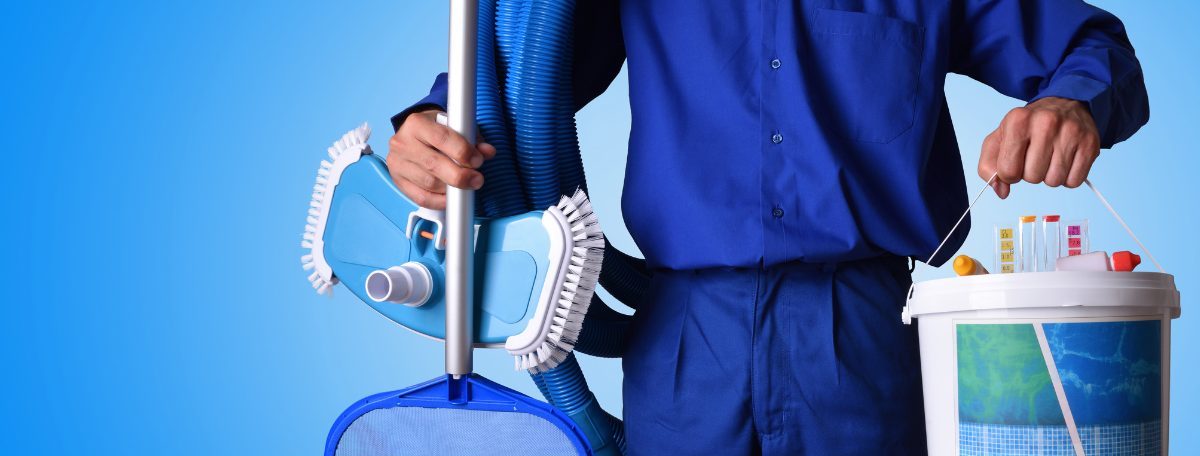
Telescoping poles, leaf skimmers, and vacuum heads often wear faster when exposed to salt. Rinse them after use and store them in a dry area to extend their lifespan.
Choose corrosion-resistant materials when replacing accessories — stainless steel or aluminum options rated for saltwater are best.
Choosing the Right Salt for Your Pool
Not all pool salts are equal. Impurities can clog systems, reduce effectiveness, and shorten salt cell life.
Use mined or food-grade salt
Choose granular, non-iodized varieties
Always verify “pool-compatible” on the label
Investing in quality salt now prevents future repairs.
Identifying and Correcting Poor Circulation
Poor water flow reduces the system’s effectiveness. Dead spots, recurring algae, or inconsistent test results may signal an issue.
To improve circulation:
Adjust return jets
Use dye testing
Consult a technician to evaluate the setup
A well-circulated pool stays cleaner and requires fewer chemicals.
Smart Landscaping Around Saltwater Pools

Saltwater runoff can damage grass and plants. Avoid placing landscaping near splash zones, and never discharge saltwater directly onto lawns.
Use decorative gravel, pavers, or tile edging to protect your green areas and maintain a clean pool environment.
How Long Salt Systems Typically Last
Salt systems are efficient but not everlasting. Expect to replace salt cells every 3–5 years and control boards every 5–7 years.
Planning ahead for replacement costs avoids unexpected breakdowns and helps with budget management.
Protecting Interior Finishes from Salt Exposure
Plaster and aggregate finishes can degrade if salt isn’t added carefully or if calcium levels are unbalanced.
Brush surfaces weekly
Disperse salt evenly when adding
Balance calcium hardness regularly
Glass and porcelain mosaics are particularly well-suited for saltwater pools due to their resistance and durability.
Dealing with Metal Walls in Vinyl Pools
Salt may seep behind vinyl liners over time and corrode metal walls. During liner replacements, inspect the structure for rust or deterioration.
Choose polymer walls for new builds, and consider applying wall foam barriers during renovations to slow corrosion.
Maintaining Automatic Covers in Saline Pools
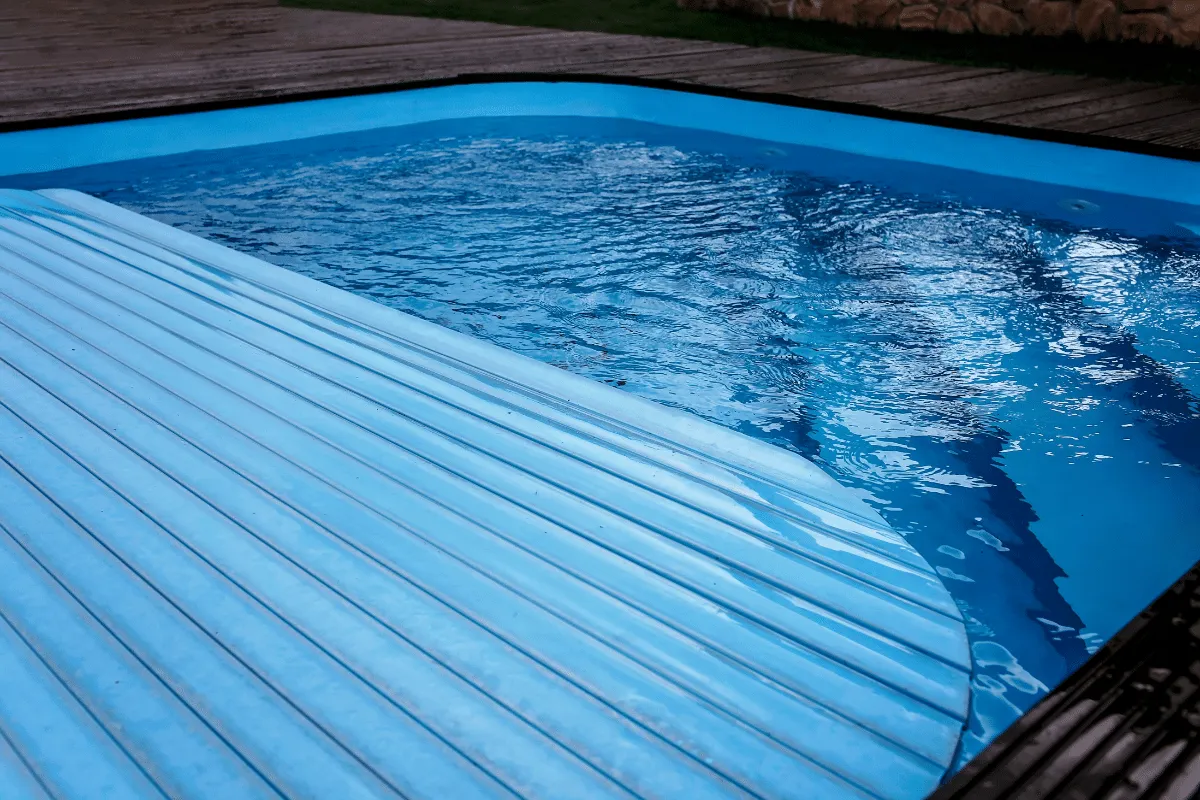
Automatic pool covers are helpful, but salt can corrode metal tracks and components over time.
Rinse with a hose regularly, especially after storms. Inspect for rust and lubricate moving parts as needed to extend their lifespan.
Full Monthly Water Chemistry Checklist
Beyond weekly chlorine and pH testing, a full monthly chemical analysis should include:
Total Alkalinity: 80–120 ppm
Calcium Hardness: 200–400 ppm
Cyanuric Acid: 30–50 ppm
Salt: 2,700–3,400 ppm
Free Chlorine: 1–3 ppm
pH: 7.4–7.6
This comprehensive check keeps your water safe, clean, and equipment-friendly.
Final Thoughts on Saltwater Pool Maintenance
While saltwater pools are lower maintenance than traditional chlorine pools, they’re not maintenance-free. With these smart saltwater pool maintenance tips, you’ll extend your system’s lifespan, avoid costly repairs, and enjoy clear, comfortable water year-round.
Here’s a quick recap:
Test chlorine and pH weekly
Rinse deck and gear frequently
Clean your salt cell every 30–90 days
Manually verify salt levels monthly
Maintain proper circulation
Choose high-quality salt
Balance your chemistry monthly
Inspect covers, finishes, and structural components
Bring Beauty to Saltwater Pools with Mosaic Tile
Saltwater-compatible finishes don’t have to sacrifice style. At pooltile.ca, we offer premium mosaic pool tiles that resist corrosion, fading, and surface wear — perfect for saline environments.
Choose from frost-resistant glass, natural stone textures, and contemporary patterns that elevate your pool’s appearance and durability.
Browse our tile collections today at pooltile.ca and turn your saltwater pool into a timeless design statement.
