

Get Inspired
Should You Keep Your Pool Open All Winter?

Oct
Keep Pool Open Winter: Smart Seasonal Tips for Cold Climates
Many homeowners close their pools as soon as the weather cools, assuming it’s necessary for winter. But more and more pool owners are choosing to keep pool open winter — either for aesthetic appeal, seasonal use, or to avoid winterization costs. With the right systems and preparation, this option is not only possible, but also practical in many regions across Canada and the northern U.S.
In this guide, we’ll walk through the pros, cons, and expert strategies for leaving your pool open through the winter months. Whether you’re keeping your pool open all season or just cutting down the closed period, you’ll find everything you need to manage it safely.
Benefits of Choosing to Keep Pool Open Winter

Leaving your pool open during winter has grown in popularity for good reason. It’s not just about luxury — there are real functional and economic advantages to this approach.
Aesthetic Value All Season Long
The visual of clean, blue water surrounded by snow creates a serene winter landscape. For homeowners who invest in design, mosaic tile, and lighting, this view becomes a centerpiece of the backyard year-round.
Reduced Winterization Costs
By choosing to keep your pool open all winter, you eliminate costs associated with closing and reopening. You won’t need to purchase antifreeze, hire service technicians, or replace damaged winter covers.
Extended Seasonal Use
With a reliable pool heater or heat pump, your swim season can stretch into late fall and resume earlier in spring — sometimes even year-round in milder climates. This gives you greater return on your pool investment.
Considerations Before You Keep Pool Open Winter
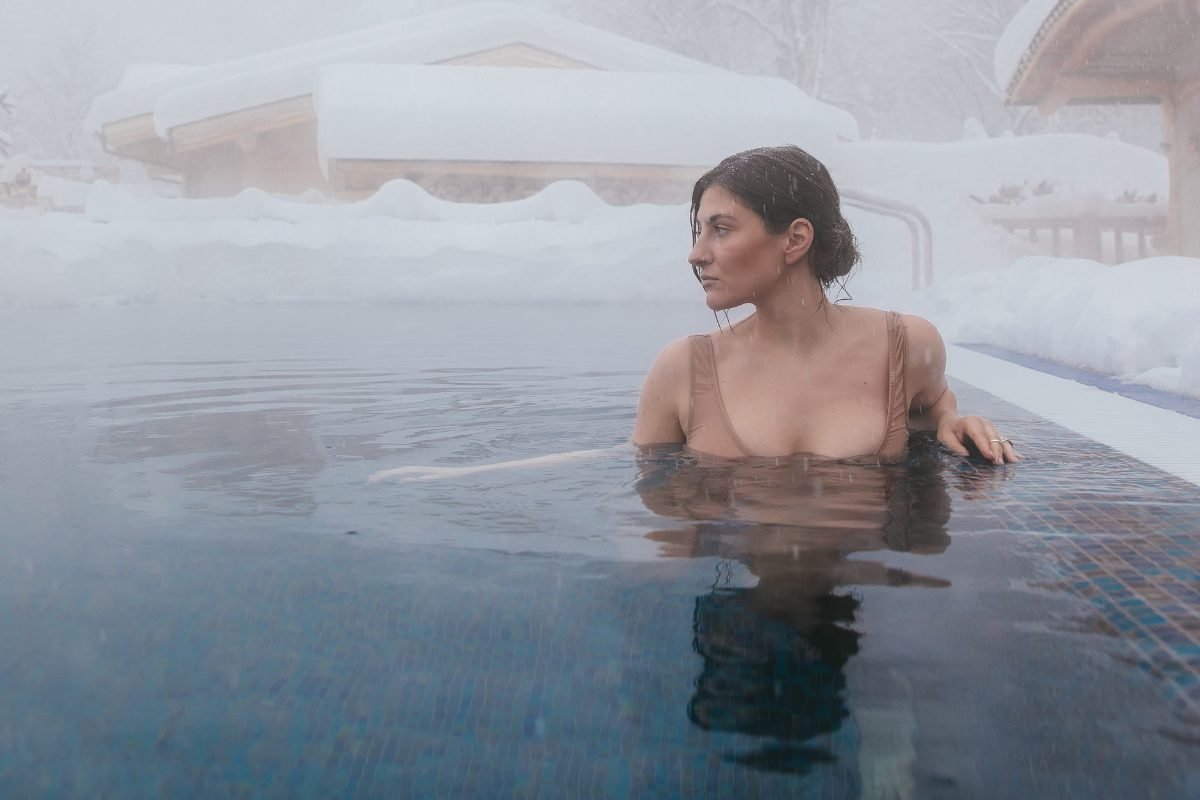
While the benefits are appealing, keeping a pool open all winter does require consistent monitoring and a few important precautions.
Energy Consumption and Utility Bills
Running your pool pump through freezing periods increases electricity use. Variable-speed pumps and smart timers can help control costs, but you should still expect higher utility bills.
Freeze Risk and Equipment Failure
The biggest risk when you keep your pool open is freeze damage. Power outages, pump failures, or human error can result in frozen plumbing or cracked equipment. Having a freeze sensor, backup power plan, and emergency strategy is critical.
System Limitations in Cold Temperatures
Salt chlorinators and some heat pumps lose efficiency or shut down entirely when water or air temperatures drop too low. Be sure your equipment is rated for winter performance or supported with alternatives.
Winter Pool Maintenance: How to Keep Your Pool Open
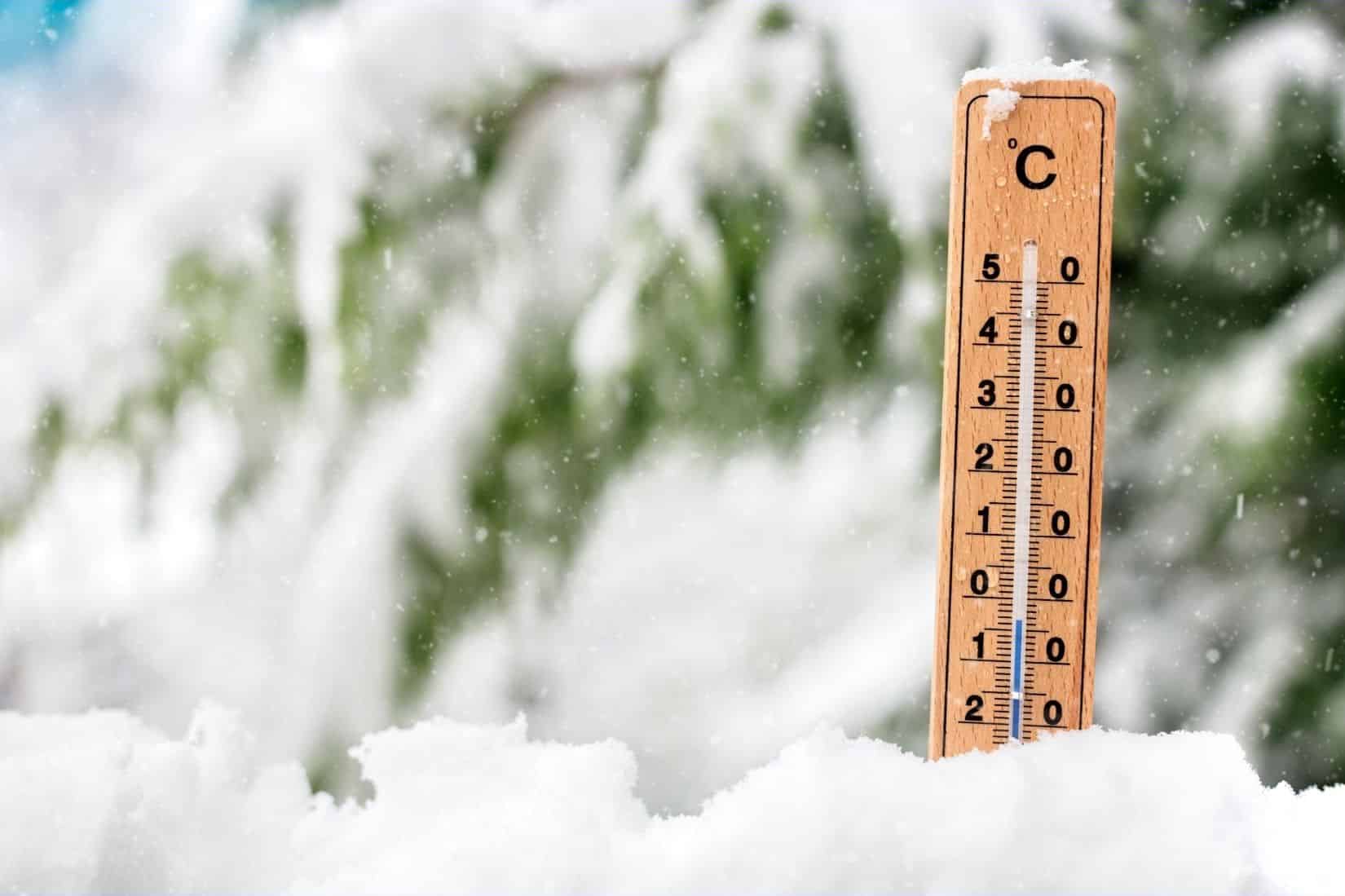
If you’re going to keep pool open winter, follow these structured steps to minimize risk and maximize success.
Install a Freeze Sensor for Automated Protection
Freeze sensors are the foundation of any winter pool strategy. They monitor air and/or water temperature and automatically trigger your pump system when temperatures approach freezing. This circulation prevents water in pipes and equipment from freezing.
Look for pool automation systems with built-in freeze protection, or add standalone solutions like the P1353ME Digital Timeclock or Pentair IntelliFlo pump, which includes freeze-response technology.
Winterize Water Features While Keeping Main Circulation Running
Water features like fountains, waterfalls, and deck jets can pose challenges when left operational in winter. These features often have exposed plumbing and aren’t under continuous pressure.
To avoid damage, selectively winterize these features by shutting off and draining their lines, while keeping the main pool circulation system active. Focus on protecting features made of rock, mortar, or decorative materials prone to freeze expansion damage.
Leave All Valves Slightly Open for Complete Circulation
For complex plumbing systems, every line must be included in winter circulation. That means all return, skimmer, drain, and cleaner valves should be at least partially open.
If you have a spa attached to your pool, ensure the spa drain is slightly open in winter to allow for continuous movement of water. Closed valves can trap water in isolated pipes, leading to freeze-related cracking.
Keep Pumps Running During Freezing Conditions
To successfully keep your pool open all winter, you must ensure that water is always flowing when temperatures drop below 32°F (0°C). Still water freezes; moving water does not — at least in most of North America.
Schedule pumps to run overnight when freeze is expected
Use freeze sensors to automate pump activation
Keep booster pumps from running dry by maintaining flow from main pumps
Remove pressure-increasing accessories like pool cleaners to ensure full circulation
This is the single most important habit when managing a winter-open pool.
Keep Water Clean: Winter Pool Maintenance Essentials
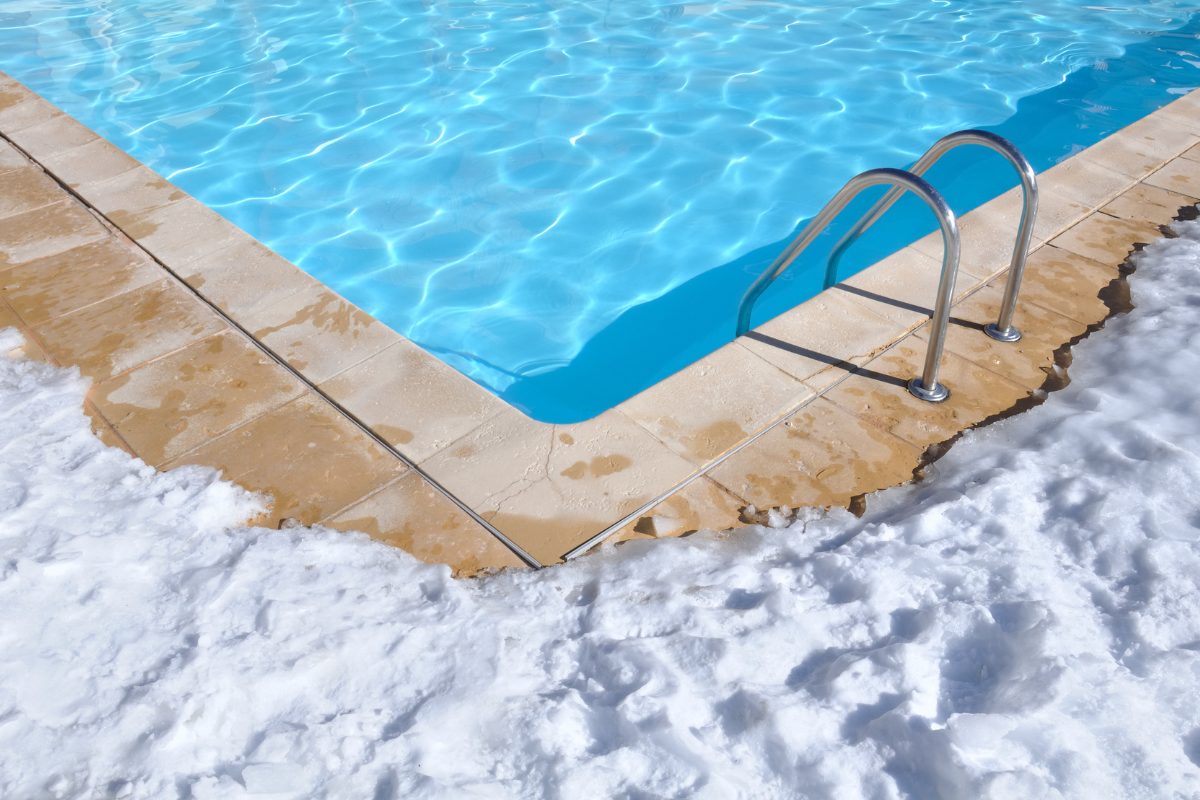
When you decide to leave your pool open all winter, your cleaning duties may be reduced, but they don’t disappear entirely.
Clean Surfaces Regularly
Remove debris such as leaves or dirt before they stain the surface or clog the system. Pools under trees may need more frequent skimming, vacuuming, and brushing.
Use Enzymes for Organic Control
Cold water slows bacteria but doesn’t eliminate oils or organic films. Products like Pool Magic Spring & Fall help break down contaminants that accumulate over time.
Keep Water Chemistry Balanced All Winter Long
Just because you use less chlorine in winter doesn’t mean you can neglect your water balance. Without a cover, the pool is still exposed to sunlight, precipitation, and air — all of which affect chemical levels.
Winter Water Chemistry Targets:
Chlorine: 1–3 ppm
pH: 7.4–7.6
Alkalinity: 80–120 ppm
Calcium hardness: 200–400 ppm
Cyanuric acid: 30–50 ppm
Test your water every 2–3 weeks and make gradual adjustments to maintain safe and clear water.
Emergency Protocols for Freeze Events
Even with proper care, unplanned events happen. If your power goes out or your pump fails during a freeze, act quickly:
Turn off power to all equipment
Remove drain plugs from pump, filter, and heater
Place heavy blankets or tarps over equipment
Use a ventilated space heater to safely thaw and drain the system
Preparation makes all the difference in avoiding expensive damage.
Optional: Add a Heater to Your Open Winter Pool
If your goal is not just visual but also functional use, consider installing a pool heater or heat pump. Just remember:
Heat pumps lose efficiency below 50°F (10°C)
Gas heaters remain reliable in colder temperatures
Always use a solar blanket or thermal cover to retain heat
Even if used only occasionally, heating your winter pool can enhance your quality of life — especially if paired with a hot spa or covered patio.
Keep Pool Open Winter — In Style
Leaving your pool open through winter isn’t just about logistics — it’s about lifestyle. It transforms your backyard into a four-season retreat, filled with ambiance, elegance, and visual serenity.
At pooltile.ca, we offer a wide selection of mosaic pool tiles that bring sophistication to every season. If you’re going to keep your pool open, why not make it stunning year-round? Choose from luxury glass, natural stone, or textured porcelain tiles that enhance both beauty and durability — winter included.
Considering leaving your pool open this winter?
Explore timeless mosaic styles at pooltile.ca and turn your cold-weather backyard into a refined aquatic escape — no closing required.
