

Buying, Planning & Practical Guides, How To, Installation Efficiency & Labor, Maintenance, Cleaning & Longevity
How Long Do Pool Tiles Really Last?

Apr
Understanding Pool Tile Lifespan
Determining the pool tile lifespan is essential for anyone planning a pool installation or renovation. In this article, we will explain how long do pool tiles last and the factors influencing their wear time. Knowing the expected lifespan of pool tiles helps in making informed decisions about materials and maintenance schedules. This ensures the pool remains visually appealing and structurally sound over time. We will also discuss the importance of choosing the right tiles for locations like Montreal, Quebec, where climate influences durability.
Pool tile lifespan refers to the duration tiles can maintain their function and appearance before needing replacement or significant repair. It depends on factors such as tile material, installation quality, pool chemistry, and environmental exposure. Understanding these elements clarifies why some tiles endure better than others. For example, tiles made from porcelain often have a longer lifespan compared to glass or ceramic alternatives due to their density and chemical resistance. This explanation sets the stage for a deeper discussion on durability.
Expanding on pool tile durability, wear time can be affected by pool usage and maintenance habits. Pools with heavy foot traffic or improper chemical balance may experience faster tile degradation. In contrast, pools in regions like Montreal benefit from seasonal care practices that help extend tile lifespan. By comparing different materials and conditions, pool owners can estimate how long they last based on their specific context. Maintenance plays a crucial role in this comparison since regular cleaning and chemical adjustments help preserve tile integrity.
For instance, a commercially installed pool in Montreal, Quebec, might use highly durable tiles designed to resist frost and chemical erosion. These tiles can last upwards of 20 years if well-maintained. Conversely, residential pools with less rigorous maintenance might see a reduced wear time. This real-world application highlights that the lifespan of pool tiles is not static but varies with environment and care. Knowing this prepares pool owners to plan accordingly.
Understanding the basics of pool tile lifespan leads naturally into the key factors that impact longevity. The importance of material selection and environment should be considered carefully to maximize durability. The subsequent section will explore these core aspects in detail to help you optimize your pool’s tile usage and lifespan.
Key Factors Influencing Durability
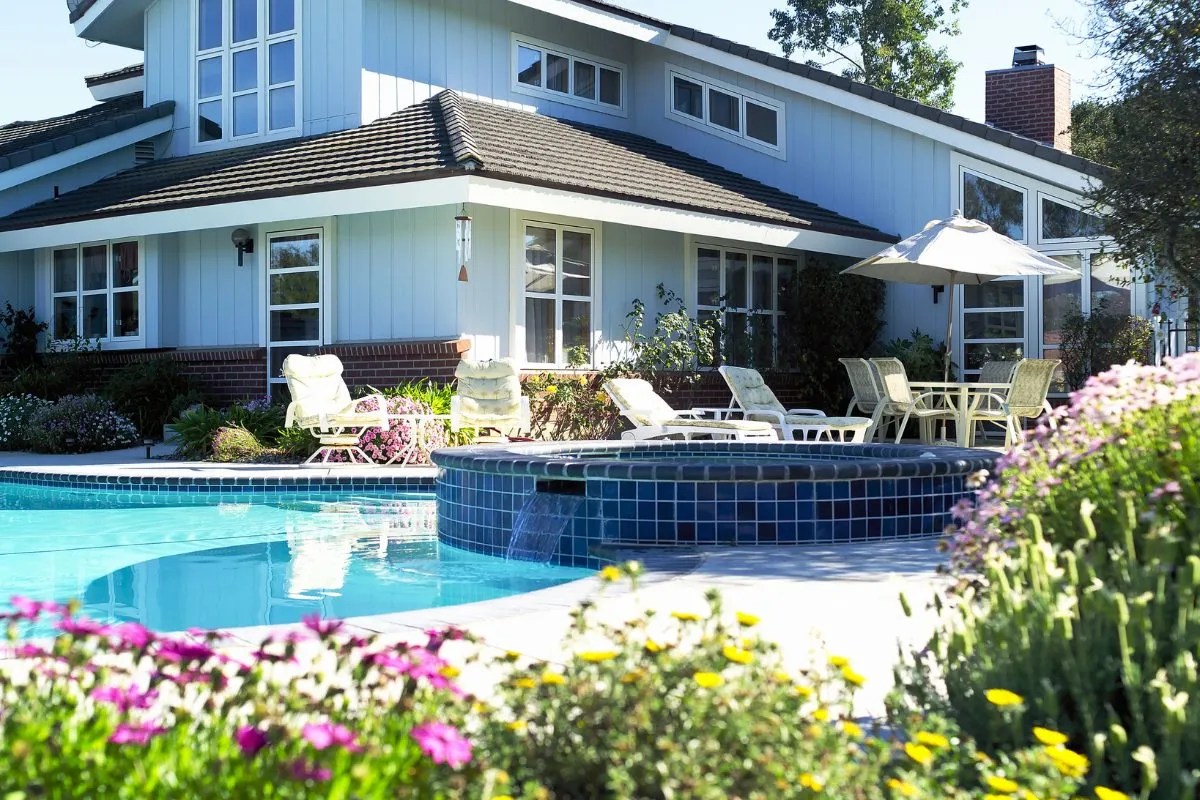
The pool tile durability depends on several critical factors that pool owners must recognize to ensure a long-lasting installation. This section outlines these influences and how they affect pool tile lifespan. The goal is to provide actionable insights for maintaining tile quality over time. By understanding these factors, one can make smarter choices about tile types and upkeep.
One primary factor is the tile material’s resistance to pool chemicals and physical wear. Tiles that withstand harsh chemicals without deteriorating tend to have a longer pool tile lifespan. Installation methods also affect durability; well-set tiles with proper grout prevent water ingress and damage. Additionally, the local climate, particularly in Montreal with its cold winters, impacts tile expansion and contraction, influencing wear time. These factors combined dictate how long pool tiles last under different conditions.
Expanding on chemical resistance, which is a critical aspect influencing pool tile wear time, pool owners should choose tiles with proven resistance to chlorine and other pool sanitizers. Chemical-resistant tiles reduce the risk of discoloration and surface erosion. This factor significantly contributes to maintaining tile aesthetic and structural qualities over extended periods. The chemical makeup of pool water in Montreal necessitates this consideration due to seasonal chemical adjustments.
For example, porcelain pool tiles installed in Montreal pools show higher durability because they resist freeze-thaw cycles and chemical exposure better than other materials. Homeowners can expect these tiles to maintain their appearance and durability for 15 to 25 years. In contrast, less resistant tiles might need replacement sooner. This practical example shows how material choice and environmental factors combine to define pool tile durability in real settings.
Considering these key factors sets the foundation for understanding different materials’ lifespans. The following sections will compare popular pool tiles and their expected wear times, providing a clearer picture of how long pool tiles last depending on material.
Comparing Lifespan of Different Pool Tile Materials
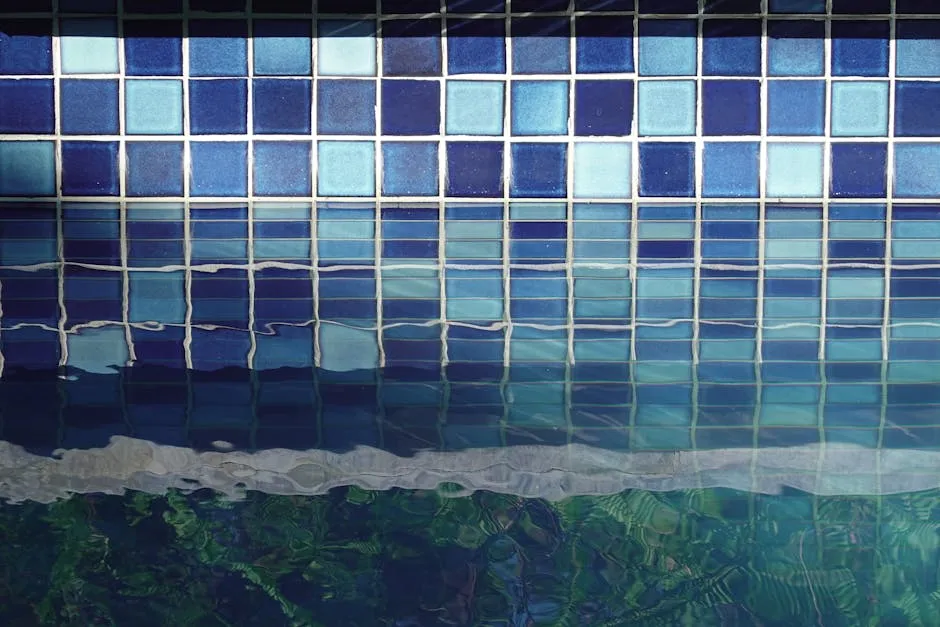
Exploring how long they last varies widely based on the type of tile material used. This section promises a detailed comparison of common pool tile options and their expected lifespan. Understanding these differences helps pool owners and designers select the best tile for their needs. Each material presents unique advantages and challenges in terms of durability and maintenance.
Porcelain tiles generally offer the longest lifespan due to their dense, hard composition and excellent chemical resistance. Ceramic tiles provide good durability but may be more prone to chipping and fading. Glass tiles have aesthetic appeal but can sometimes suffer from wear faster in harsh environments. Natural stone tiles offer unique looks but typically require higher maintenance to preserve their condition. These explanations highlight why understanding material properties is crucial for predicting pool tile lifespan.
From a durability standpoint, porcelain tiles often exceed 20 years when installed and cared for correctly. Ceramic tiles last around 10 to 15 years under average conditions. Glass tiles may last 10 to 20 years but need careful maintenance to prevent damage. Natural stone tiles can have varied lifespans depending on maintenance frequency and water chemistry. Comparing these options clarifies expectations for pool tile wear time based on material characteristics.
Consider a pool renovation in Montreal using porcelain tiles. This choice aligns well with the region’s climate challenges, ensuring a longer-lasting pool surface. The lifespan in this case is optimized by material choice and installation quality. This example demonstrates how evaluating tile durability by type aids in making prudent decisions that match environmental demands.
Having evaluated tile material lifespans, it’s important to discuss effective maintenance practices that impact how long pool tiles last. Maintaining pool tiles is essential to maximize their durability and overall pool aesthetics.
Effective Maintenance for Longer Pool Tile Lifespan
Maintaining your pool tiles is key to extending the pool tile lifespan and preserving their visual appeal. This section focuses on the importance of regular upkeep and practical steps for maintenance. Pool owners benefit from understanding how maintenance interacts with tile durability to keep tiles looking new for years.
Maintenance involves regular cleaning to remove calcium deposits, algae, and other contaminants that can damage tiles over time. Balancing pool water chemistry is equally crucial to prevent surface erosion caused by harsh chemicals. In Montreal, seasonal changes require specific maintenance routines to protect tiles from freeze-thaw damage. These practices form the backbone of extending the lifespan of pool tiles regardless of material type.
Expanding on water chemistry, improper chemical balance leads to accelerated wear and discoloration. Using phosphate removals and stabilizers helps protect tiles. Pool owners should test water regularly and adjust chemicals accordingly to maintain optimal conditions. Consistent cleaning with appropriate tools also prevents scratches and surface dulling, directly affecting tile wear time.
For example, a pool in Montreal that undergoes thorough winterization and regular cleaning typically experiences fewer tile repairs and replacements. This proactive approach improves overall pool tile durability. The practical application of maintenance routines directly correlates with increased lifespan of pool tiles in diverse climates.
Understanding maintenance’s role in preserving pool tile lifespan encourages proactive care. The next section will address common issues that shorten pool tile durability and offer solutions to mitigate these challenges.
Common Issues Affecting Pool Tile Wear Time and Solutions
Several common issues can reduce the pool tile lifespan, but knowing how to address them helps protect your investment. This section identifies key problems and suggests solutions to maintain tile durability. Anticipating these challenges ensures pool tiles last as long as possible.
Common problems include chemical erosion, grout failure, physical damage, and staining. Chemical erosion occurs from unbalanced pool water or harsh cleaning products. Grout failure can allow water infiltration, damaging tile adhesion. Physical damage results from heavy impacts or abrasive cleaning. Staining happens due to algae growth or mineral deposits. Recognizing these problems early leads to effective solutions that extend the lifespan of pool tiles.
Solutions involve adjusting pool chemical levels promptly, using chemical-resistant grout, and repairing cracks or chips quickly. Regular inspections help identify grout issues before they escalate. Choosing gentle cleaning agents and avoiding abrasive tools also prevent tile surface damage. These measures collectively contribute to prolonged pool tile wear time and overall durability.
For example, a pool in Montreal facing freeze-thaw cycles benefits from grout specifically designed for cold climates. Addressing grout failure early prevents tiles from loosening or cracking, ensuring a longer lifespan. This example shows how targeted solutions improve tile durability in challenging environments.
Addressing these common issues effectively supports maximizing pool tile lifespan. For more information visit this detailed guide. The following section summarizes the key points and next steps for pool owners.
Summary and Practical Advice for Maximizing Pool Tile Lifespan
Maximizing the pool tile lifespan involves understanding durability factors, choosing the right materials, and committing to regular maintenance. This section summarizes the essential points covered and offers practical advice for pool owners. Our goal is to equip you with knowledge to ensure your pool tiles last as long as possible.
Key takeaways include selecting chemically resistant tiles, especially suitable for Montreal’s climate, maintaining balanced pool chemistry, and inspecting grout and tile condition regularly. Material choice directly affects wear time, while environment and usage patterns determine maintenance frequency. Holistic care leads to optimal pool tile durability and aesthetics.
Some practical steps to consider for extending your pool tile lifespan include:
- Test and adjust pool water chemistry weekly to maintain proper pH and sanitizer levels.
- Clean tiles regularly to remove minerals and prevent algae buildup.
- Use professional-grade chemical-resistant grout during installation.
- Inspect tiles and grout for damage monthly and repair promptly.
- Winterize your pool properly to prevent freeze-thaw damage in colder months.
Additionally, understanding how long pool tiles last in your specific location, like Montreal, leads to smarter planning and budgeting. For more on pool tile selection considerations, visit this comprehensive resource. By following these guidelines, pool owners can enjoy long-lasting, beautiful pool tiles that enhance their outdoor spaces for many years.
