

Epoxy Grout, Epoxy Grout & Installation
What Adhesive Should Be Used for Pool Tiles?

Apr
Understanding Pool Tile Adhesive and Its Importance
When installing pool tiles, choosing the right pool tile adhesive is crucial for ensuring durability and waterproofing. This guide will clarify which adhesive products are best suited for pool tiles and how they function in aquatic environments. Adhesive plays a vital role in maintaining tile integrity against water pressure and chemical exposure. The focus is on selecting a strong adhesive that withstands these challenges while providing a secure bond. This foundation is essential for successful tile installation in any pool, particularly in Montreal’s specific climate conditions.
Pool tile adhesive refers to specialized bonding agents designed for use in wet settings, primarily swimming pools. These adhesives are distinct from regular tile glues because they must resist constant water exposure and pool chemicals. Waterproof pool tile adhesive products often use epoxy or polymer-modified cement for enhanced bond strength. The goal is to avoid tile loosening or damage caused by moisture infiltration or temperature fluctuations. Understanding the adhesive’s formulation helps in selecting a product that ensures long-lasting results.
The implications of using the wrong adhesive include tile detachment, water leakage, and costly repairs. In comparison, the best adhesive for pool tiles can minimize maintenance and extend the lifespan of the installation. Fiber-reinforced or epoxy-based products offer superior waterproofing, which is ideal for pool edges and submerged areas. Additionally, using the appropriate adhesive enhances safety by preventing tile sharp edges from becoming a hazard. Overall, this translates to a more efficient and reliable tile system for any pool owner or installer in Montreal.
An example of an effective waterproof bonding agent is one that combines epoxy resin with cementitious materials. Such adhesives have been tested in Quebec’s climate to manage temperature shifts from winter thawing to summer heat. Professionals recommend selecting adhesives specifically labeled for use in swimming pools to ensure compatibility with pool chemicals and water conditions. Homeowners in Montreal should consider these technical benefits when planning a pool tile project. For more detailed DIY guidance, you can visit pool tile installation DIY.
To conclude, understanding the nature and necessity of the right pool tile adhesive sets the stage for a successful installation process. Knowing these basics will guide you through different adhesive options available. We will next examine the types of pool tile adhesives to help refine your choice for your Montreal pool project.
Types of Pool Tile Adhesive and Their Features
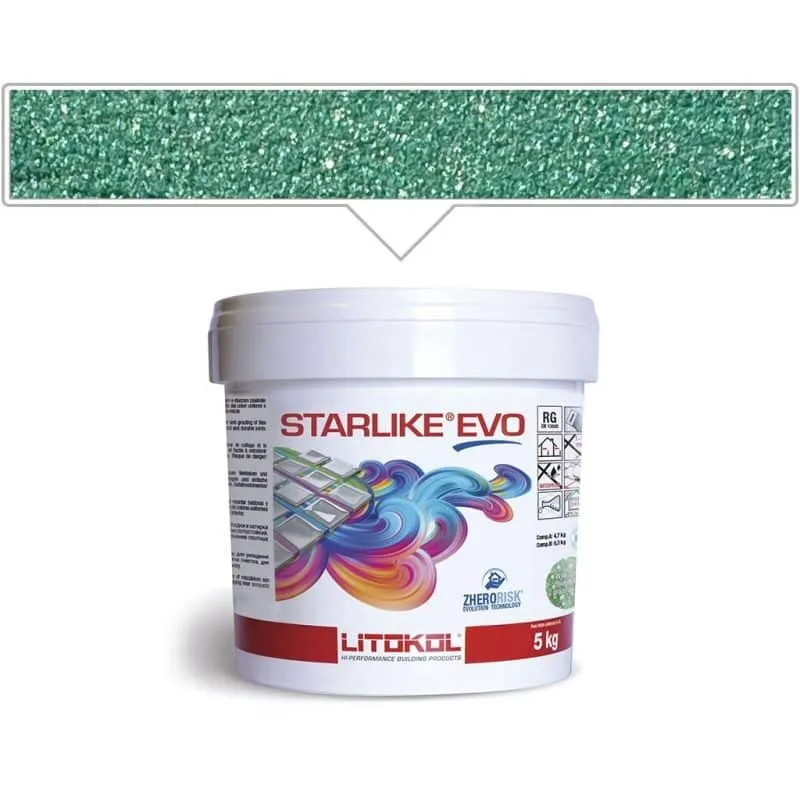
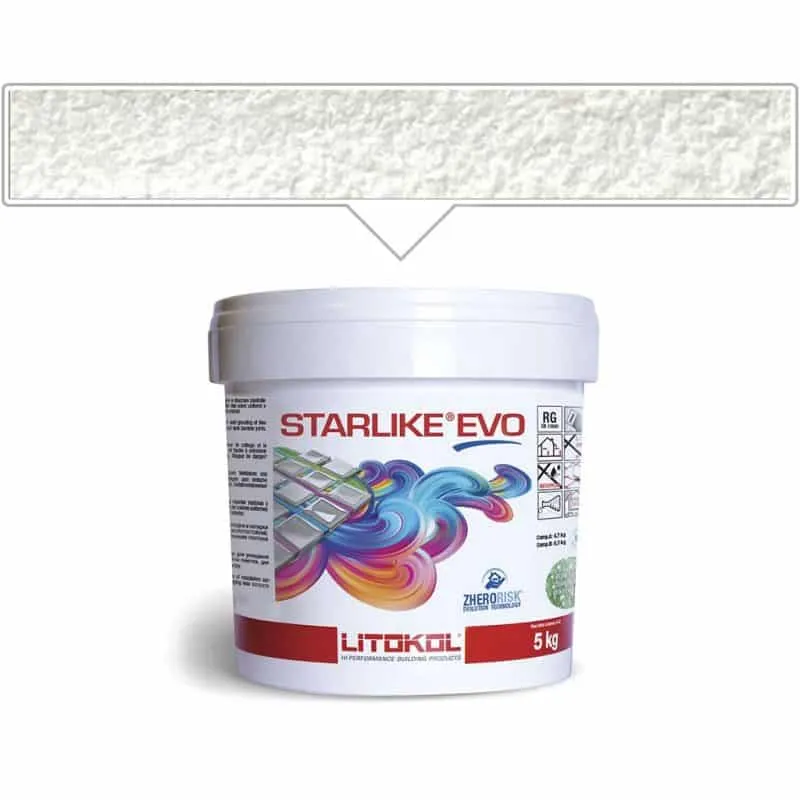

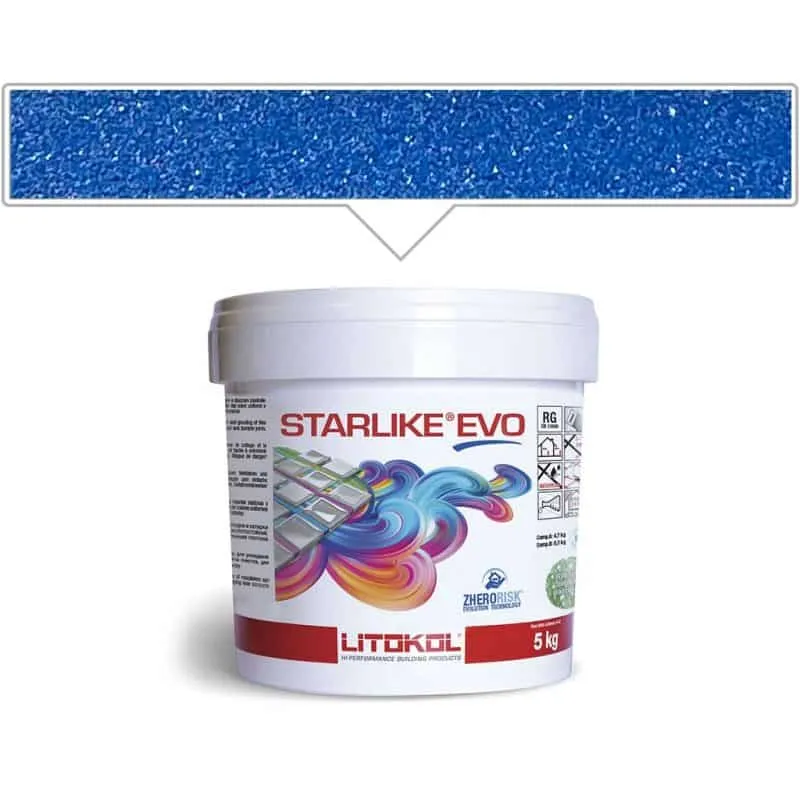
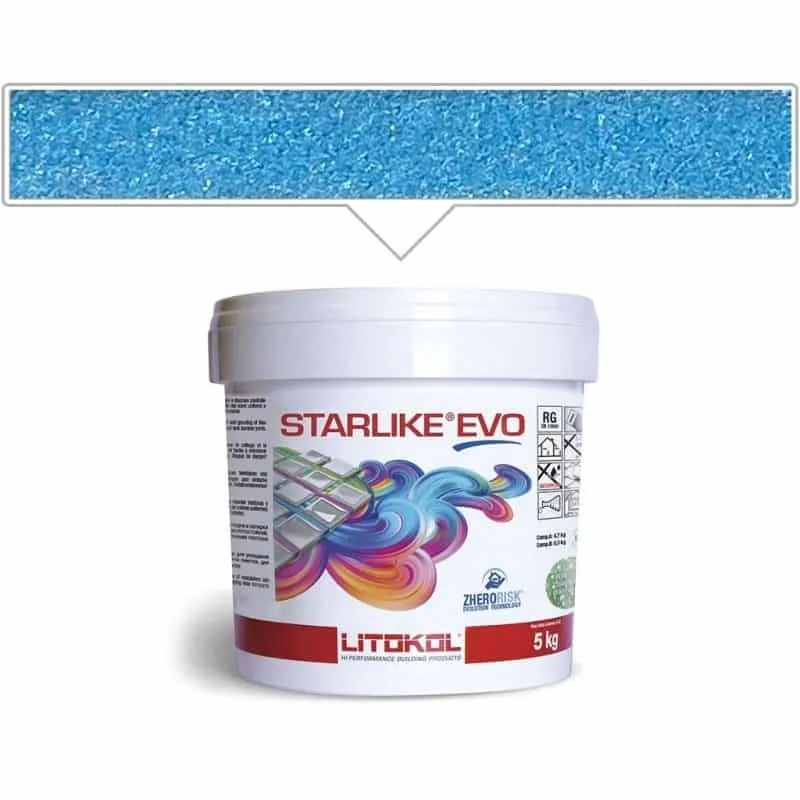
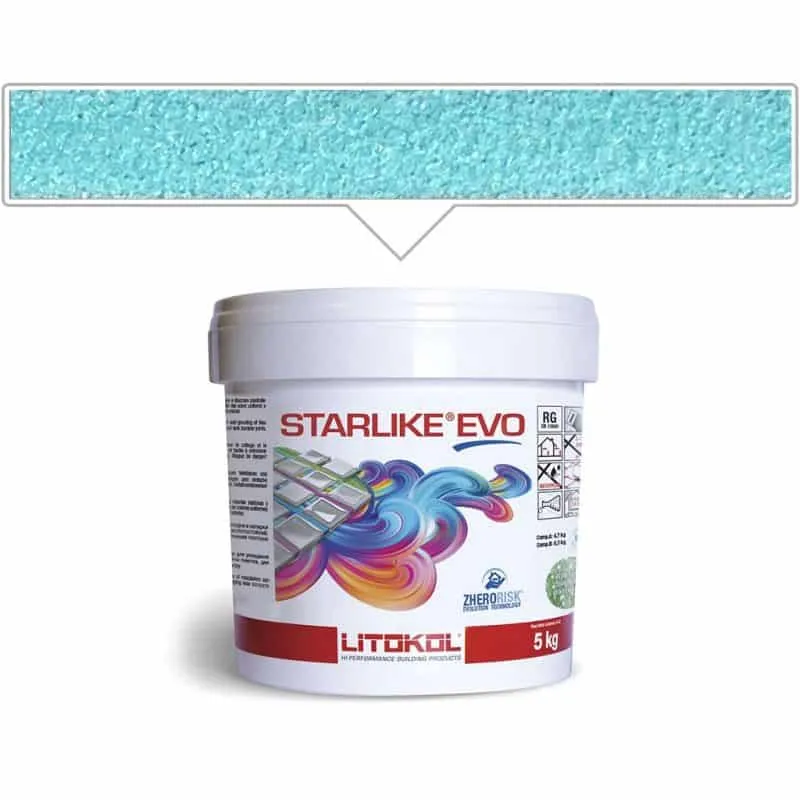
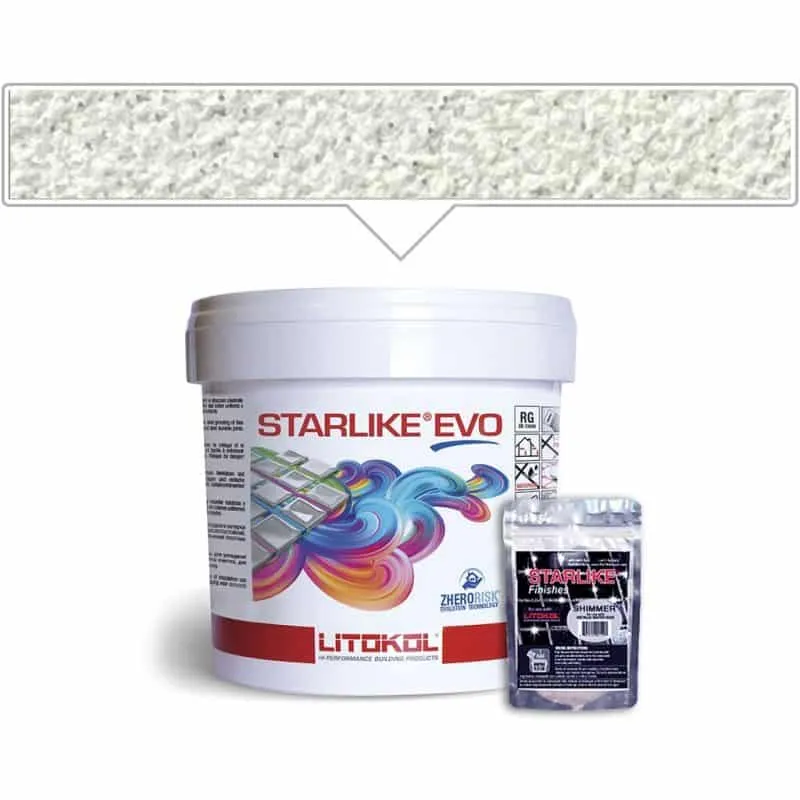
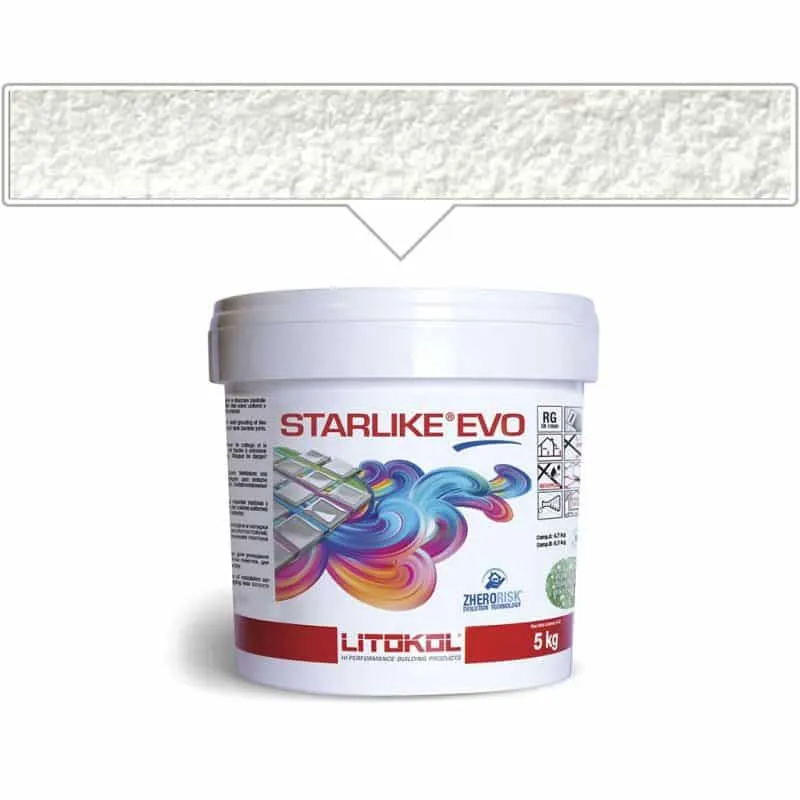
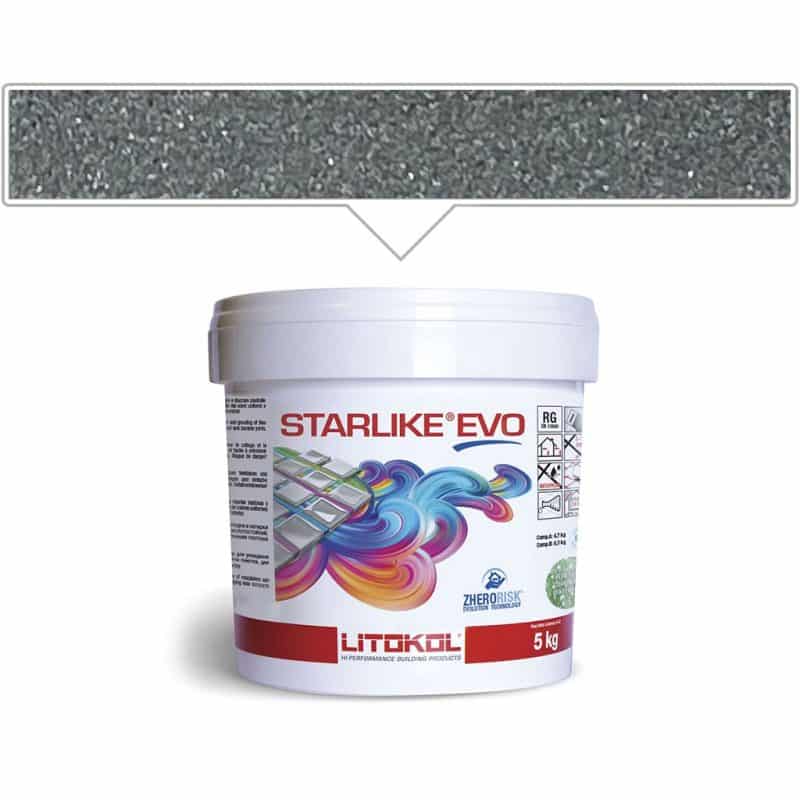
Selecting the appropriate type of pool tile adhesive depends on your pool’s design and environmental factors. The various adhesives offer unique properties suited to specific pool tile installations. This section will describe the primary adhesive types used for swimming pool tiles. Each type’s unique features help determine the best adhesive for pool tiles depending on waterproofing and bonding needs. Understanding these adhesive types ensures you can make an informed decision for your pool project in Montreal.
The main categories include epoxy-based adhesives, cementitious adhesives, and polymer-modified adhesive types. Epoxy adhesives provide the highest waterproof qualities and chemical resistance, making them ideal for submerged and high-moisture areas. Cementitious adhesives are popular for their ease of use and adaptability, especially when combined with waterproof additives. Polymer-modified adhesives add flexibility and better adhesion on various surfaces, which is helpful when installing tile over uneven pool substrates.
Choosing between these adhesives involves considering factors like bond strength, application ease, waterproofing capability, and resistance to pool chemicals. For example, epoxy adhesives excel in long-term durability but require precise mixing and handling. Cement-based adhesives are more user-friendly but may need additional treatments to be fully waterproof. This comparison highlights that pool tile glue choices should align with both the installation environment and the tile material used. Pool owners in Montreal must weigh these factors carefully to ensure long-lasting results.
For instance, adhesive for swimming pool tiles in Montreal often must resist freezing winters and warm summers. Epoxy pool tile adhesive is especially suited for such variable climates because of its superior chemical and water resistance. Meanwhile, flexible polymer adhesives help accommodate minor substrate movements that can occur due to temperature changes. This adaptability makes them a solid choice for maintaining tile adhesion year-round in Quebec.
In summary, understanding the types of tile adhesive for pools empowers users to pick materials that match their needs and local conditions. With this knowledge, you can transition to a discussion on application methods and best use practices for applying pool tile adhesives successfully.
Best Practices for Applying Pool Tile Adhesive
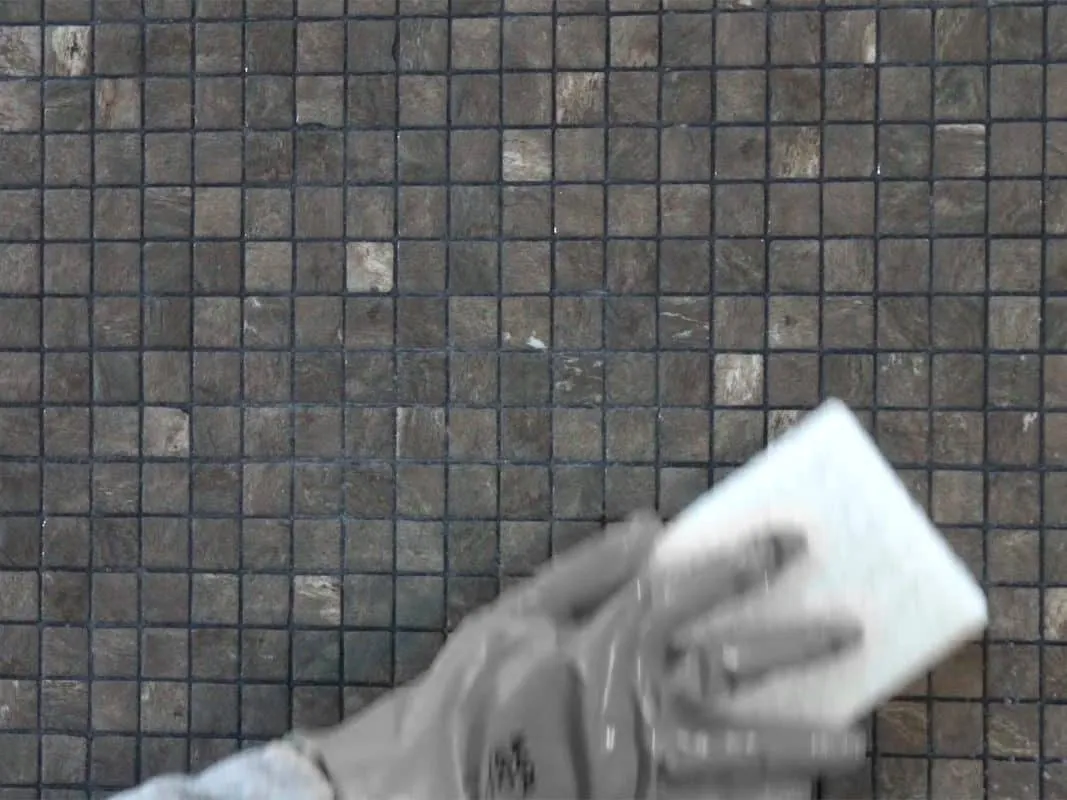


Applying the right pool tile adhesive correctly is as important as choosing the suitable product. This section outlines practical steps and tips to ensure adhesion is strong and durable. Proper application techniques prevent common installation failures associated with poor bonding and water intrusion. This practical guidance is essential for DIY enthusiasts and professionals managing pool tile projects in Montreal’s climate.
The process typically starts with surface preparation, ensuring the pool substrate is clean, dry, and free of loose material. Following this, the adhesive must be mixed to manufacturer specifications to guarantee optimal chemical properties. Then, the product is evenly spread with the appropriate notched trowel, focusing on full contact with both tile and substrate surfaces. Proper working time and curing conditions must be respected to avoid premature failure.
Attention to detail, such as evenly applied adhesive thickness and avoiding air bubbles, improves tile adhesion quality. Comparison studies have shown that meticulously applied waterproof adhesive reduces repair needs substantially. Applying bonding to both the tile back and the substrate, known as the “back buttering” method, increases bond strength and waterproofing. These techniques are especially beneficial in managing Montreal’s varied pool use conditions influenced by seasonal weather changes.
An application example could involve using a waterproof epoxy formula for pool edges where water pressure is higher. Installers ensure every tile is firmly pressed and held in place until initial set. This step avoids tile movement during curing and assures a waterproof seal. Pool owners can replicate these steps by following instructional guides and equipment recommendations provided by manufacturers and local experts.
In conclusion, mastering adhesive application techniques enhances tile performance and longevity. The next section will explore common pitfalls in pool tile adhesive use and how to avoid them for a reliable installation in Montreal and similar regions.
Common Mistakes in Using Pool Tile Adhesive and How to Avoid Them
Even with the best pool tile adhesive or waterproof pool tile adhesive products available, errors in application or selection can undermine the project. This section identifies frequent mistakes and provides practical advice to prevent costly issues. Understanding these pitfalls helps installers and homeowners achieve successful, long-lasting tile installations. Recognizing these mistakes is particularly useful for pool projects in Montreal, where environmental factors can exacerbate problems.
A major mistake is using general-purpose tile adhesive not formulated for pool environments. Such adhesives often lack waterproofing and chemical resistance, leading to tile detachment. Other errors include inadequate surface preparation, improper adhesive mixing, and insufficient curing time. Failure to follow product instructions can result in weak bonds and tile damage. Awareness of these problems is key to choosing the best adhesive for pool tiles and using it effectively.
Compared to proper adhesive applications, mistakes can cause water damage behind tiles, leading to mold growth and structural erosion. For example, using cementitious adhesive without waterproof additives in a wet zone accelerates tile failure. Similarly, neglecting climate considerations such as freezing temperatures in Montreal can cause adhesive cracking or loss of adhesion. These issues demonstrate that selection and application must be tailored to specific pool conditions.
To illustrate, a typical scenario involves installing tile during cold weather without taking curing precautions. This mistake causes adhesion problems due to incomplete setting. To avoid this, installers should adhere to temperature and humidity requirements outlined by waterproof pool tile adhesive manufacturers. Moreover, consulting reliable resources such as best grout guide can provide updated best practices and product recommendations.
Summarizing, knowing common mistakes supports better preparation, product selection, and application techniques. These preventive measures help maintain the integrity of your pool design. The final section will discuss maintenance tips that extend the life of your pool tile adhesive and tiles in Montreal’s climate.
Maintaining Pool Tiles and Adhesive for Long-Term Durability
Proper maintenance extends the effectiveness of pool tile adhesive and preserves tile appearance. This section details how to care for your pool tiles and the associated adhesive to ensure longevity. Regular upkeep not only protects your investment but also maintains a safe and attractive pool environment. These practices are especially relevant for pool owners in the Montreal area, where seasonal conditions can be particularly harsh.
Maintenance begins with routine cleaning to prevent buildup of harmful chemicals and debris that could degrade adhesive bonds. Gentle scrubbing with non-abrasive tools helps preserve tile surfaces and adhesive edges. Checking for loose or cracked tiles is essential to catch early signs of adhesive failure. Timely repairs prevent water infiltration and further damage.
In addition to cleaning, monitoring water chemistry balances in your pool reduces the risk of adhesive deterioration. Proper pH and chlorine levels preserve both tiles and the waterproof adhesive used beneath them. Seasonal inspections after winter ensure freeze-thaw cycles have not compromised bond strength. This approach differs from general tile maintenance by focusing on waterproofing and adhesive condition for pools.
For example, applying sealants compatible with tile adhesive enhances water resistance and protects joints. Homeowners in Montreal should adopt these practices annually, especially after winter months. Implementing a maintenance schedule guarantees your pool tile installation remains secure and visually appealing over time.
Ultimately, continuous care complements the original selection and application of tile adhesive. By following these tips, you maximize your investment and enjoy a durable pool surface. Consider all discussed points to select the best pool tile adhesive for your project and maintain it effectively in Montreal’s environment.
- Ensure substrate is clean and dry before adhesive application.
- Use adhesive labeled for waterproof pool tile adhesive specifically.
- Respect manufacturer curing and temperature requirements rigorously.
- Maintain balanced pool water chemistry to protect adhesive bonds.
- Inspect and repair tiles regularly to prevent larger issues.
- Consult reliable resources for installation and maintenance updates.
