

Buying, Planning & Practical Guides
What Makes a Pool Tile High Quality?
Nov
Understanding High Quality Pool Tile
When selecting the right materials for your swimming pool, understanding what defines high quality pool tile is essential. This guide promises to clarify the aspects that help pool owners and builders in Vancouver choose the best pool tile for their needs. Knowing these factors will ensure a beautiful and long-lasting finish to your pool area. The term “high quality pool tile” covers various characteristics including durability, aesthetics, and resistance to environmental stress.
At its core, high quality pool tile refers to tiles that excel in several elements: water resistance, strength, non-slip surfaces, and aesthetic appeal. These tiles must hold up under constant water exposure and withstand chemicals commonly present in pools. Additionally, their surface texture often balances safety and comfort to prevent accidents.
Comparing tiles with poor durability to those labeled durable options demonstrates noticeable differences in longevity. While less durable choices tend to suffer cracking and fading over time, the best pool tile maintains its vibrancy and integrity under frequent use. Furthermore, the range of pool tile materials provides more choices to suit different design needs.
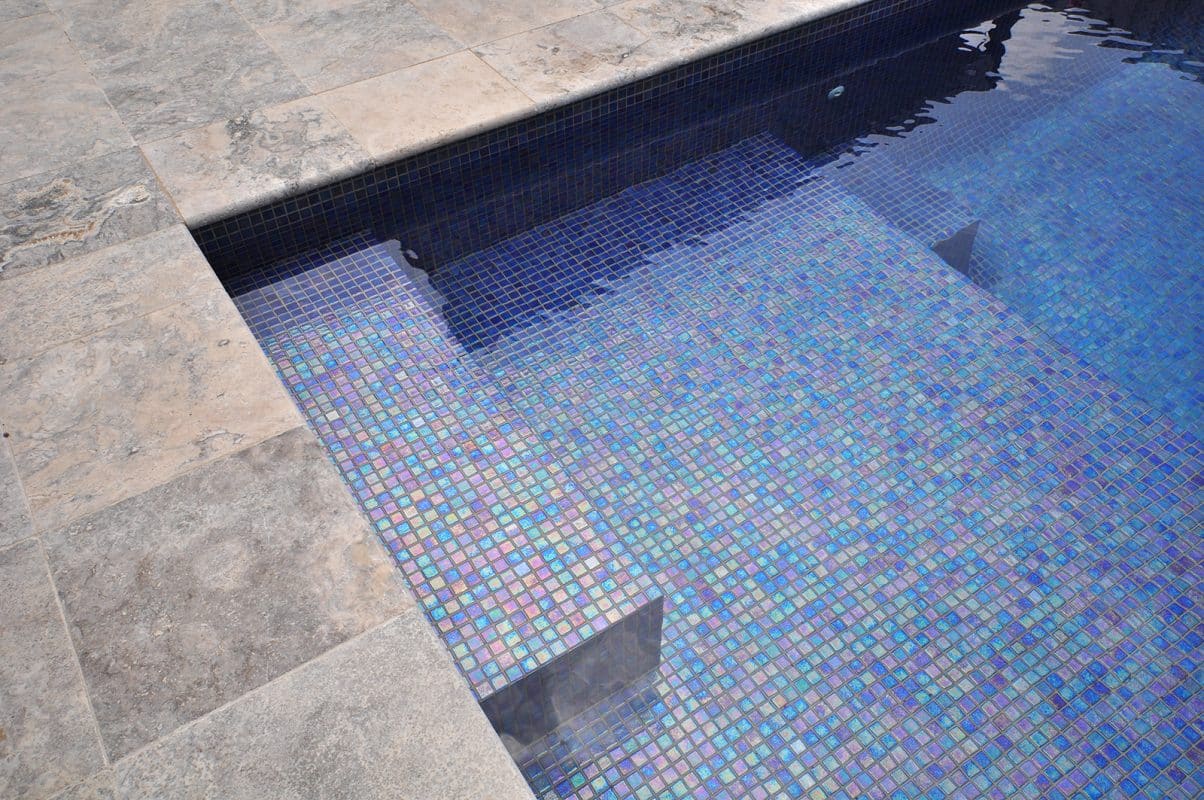
For example, glass and porcelain tiles are often preferred for their non-porous nature and resistance to stains, making them top selections. These materials also add a reflective quality to the pool, enhancing its visual appeal. This shows how choosing the right tile material can impact both performance and aesthetics positively.
Overall, understanding what makes pool tile quality high is the foundation for further exploration into specific features and benefits. This insight leads naturally to considering detailed elements like material types and longevity characteristics in subsequent sections.
Key Characteristics Defining Pool Tile Quality

To assess if a pool tile is truly high quality, several key characteristics must be evaluated. This section will explain these features and promise to help readers identify reliable tiles for pools in Vancouver. Recognizing these aspects ensures the pool’s functionality and beauty are sustained over time.
Pool tile quality encompasses strength, water resistance, surface texture, and resistance to chemicals. Strength relates to the tile’s ability to withstand breaking or cracking under pressure. Water resistance is necessary to prevent absorption that leads to damage. Surface texture is critical for slip resistance while still being comfortable to walk on. Lastly, chemical resistance protects tiles from pool treatments like chlorine.
Each factor contributes uniquely to the tile’s overall performance in a pool environment. For instance, inadequate chemical resistance may cause tiles to degrade quickly, affecting both appearance and safety. Tiles classified as durable options often meet strict standards for these characteristics, distinguishing them from lower-grade choices.
An application of these qualities can be seen in commercial and residential pools alike. For commercial pools, tiles must endure heavy foot traffic and constant chemical exposure, demanding top selections with superior resilience. Residential pool owners in Vancouver also benefit from selecting high quality pool tile for extended enjoyment and less maintenance.
Understanding these key characteristics creates a strong basis for making informed choices regarding pool tile materials. The next logical step is to explore which materials best embody these traits in actual pool tile products.
Popular Pool Tile Materials and Their Benefits
Exploring pool tile materials is essential to grasp why some tiles are considered high quality pool tile. This section highlights common materials and their advantages to guide homeowners and builders in Vancouver seeking optimal choices. The promise is to provide a detailed look at the pros and cons of each material type.
Common pool tile materials include glass, porcelain, ceramic, and natural stone. Glass tiles are praised for their non-porous surface and vibrant colors. Porcelain tiles offer high strength and water resistance. Ceramic tiles are versatile and budget-friendly, while natural stone provides a unique texture but requires more maintenance.
These differences impact how well the tile performs under pool conditions. For instance, glass and porcelain tiles tend to rank as the best choice due to their durability and resistance to chemicals. Ceramic, while more affordable, might not last as long in harsh pool environments compared to durable tiles made from porcelain.
An example of application is a pool in Vancouver where glass tiles enhance the light reflection, creating an inviting ambiance. However, maintenance considerations might lead some to prefer porcelain tiles for their toughness and ease of care. Each material fits different design and functional needs.
Knowing the benefits of these materials enriches the decision-making process for those selecting high quality pool tile. Next, we will examine how these tiles perform and maintain aesthetics over time, especially in a varied climate like Vancouver’s.
Performance and Maintenance of High Quality Pool Tile\

Ensuring that pool tile quality lasts requires attention to both performance and maintenance. This section commits to detailing how high quality pool tile behaves long-term and what care it needs to remain in prime condition in Vancouver. Understanding this balance helps pool owners protect their investment.
High quality pool tiles are designed to resist cracking, fading, and chemical damage. Their performance is linked to their materials and manufacturing processes. Proper installation also plays a critical role. Regular maintenance includes cleaning to prevent buildup and inspections to identify potential damage early.
Compared to low-grade options, durable options should require less frequent repairs and retain color vibrancy despite exposure to UV rays and pool chemicals. However, even the best pool tile requires some upkeep to maximize lifespan. Maintenance routines can be adapted based on tile type and pool environment.
For instance, a Vancouver pool with glass tiles might need specialized cleaners to maintain shine, whereas porcelain tiles might allow more general cleaning methods. These practical examples illustrate how maintaining high quality pool tile involves understanding the tile-specific needs and climate impacts.
Understanding performance and maintenance builds the foundation for confidently selecting top tiles. The final section will guide on specifications that matter most when choosing these tiles.
Essential Specifications When Choosing Pool Tile
Knowing which tile specifications matter most ensures that only the best pool tile is selected for your pool project in Vancouver. This detailed look promises clarity on the technical aspects that contribute to superior pool tile quality. Buyers can then make choices that combine beauty and functionality effectively.
Important specifications include water absorption rate, slip resistance rating, freeze-thaw resistance, and chemical resistance level. Lower water absorption means less damage risk, while high slip resistance ensures safety. Freeze-thaw resistance is crucial in climates with temperature variations. Chemical resistance indicates how well tiles stand up to pool treatments.
These features collectively influence how durable tiles hold up over time. Selecting tiles that meet strict criteria for these specifications helps maintain the pool’s appearance and safety. They reflect standards found in top products used globally and locally.
An example is found in commercial pools where tile performance is critical; such tiles often exceed minimum standards for these specs to handle heavy use. Vancouver pool projects benefit from referring to resources like this internal link that explain tile specifications for better purchasing decisions.
Overall, the knowledge of these key tile specifications equips pool owners with the tools to choose high quality pool tiles confidently. Understanding practical performance and scientific criteria leads to smarter investments, enhancing pool longevity and enjoyment.
Where to Find Reliable High Quality Pool Tile in Vancouver
Finding reliable sources for high quality pool tile is the final step in ensuring your pool project achieves the desired outcome. This section provides guidance on sourcing tiles in Vancouver and beyond, affirming that informed choices lead to quality results. Choosing reputable suppliers guarantees product authenticity and support.
Reputable vendors offer a range of pool tile materials and clearly communicate technical specifications. They provide warranties and customer support for installations. Checking performance reviews and specifications, including those discussed previously, helps identify trustworthy sellers who stock durable options.
Advantages of buying from established suppliers include access to top collections and updated designs meeting evolving standards. For instance, many Vancouver suppliers stay current with trends and innovations, helping clients select tiles suited to their climate and style preferences.
An external resource to understand commercial tile performance in detail is available at this commercial pool tile performance guide. This complements local options by offering insight into industry benchmarks and assures buyers of product reliability.
As a practical tip, consult this internal link to review specifications that matter most in your tile choice. Combining insights about tile materials, quality, and supplier reputation helps achieve lasting beauty and safety in pool projects across Vancouver and British Columbia.
- Choose tiles with proven water and chemical resistance for longevity.
- Consider slip resistance to ensure safety around the pool area.
- Select vendors who provide detailed product specifications and warranties.
- Opt for materials that match the local climate to reduce maintenance efforts.
- Review both commercial and residential tile performance data for informed choices.
- Balance aesthetic preferences with functional benefits for the best pool tile.
