

Buying, Planning & Practical Guides
How to Calculate How Many Pool Tiles You Need
Oct
Understanding the Basics to Calculate Pool Tiles
Knowing how to calculate pool tiles is essential for any pool project. This guide will help you understand the steps to achieve accurate results. Proper calculation prevents wastage and ensures your pool gets the perfect finish. In addition, knowing the quantities helps with budgeting and planning. The following steps cover everything from measurement to estimate.
To determine tile needs, you first need to understand the surface area involved. This means measuring the pool’s length, width, and depth accurately. The next step involves calculating the total surface area that requires tiling. Including walls, floor, and steps is crucial for a complete estimate. This method provides a clear base for deciding how many pool tiles will be needed.
Breaking down the calculation process makes the task simpler and more manageable. You start by converting all measurements to the same unit, usually feet or meters. Then, by multiplying the length and width, you get the surface area of the pool’s bottom. Repeat this for the walls and add the results for a full tile estimate. Considering tile size further refines the calculation for tile quantity.
For example, if a pool in Vancouver has a floor area of 30 square meters and walls totaling 40 square meters, you add these to get 70 square meters. If each tile covers 0.25 square meters, you simply divide 70 by 0.25 to find how many tiles are necessary. This practical application shows how to calculate pool tiles accurately before purchase. Taking measurements carefully ensures the pool is tiled perfectly without shortages or excess.
Once you master this step, moving on to detailed pool tile calculators will be easier. They help refine the numbers and speed up your estimate process. The next section will cover tools that assist in simplifying tile calculations. Understanding the critical role of measurement sets up for using a pool tile calculator effectively.
Using a Pool Tile Calculator for Accurate Tile Estimates

A pool tile calculator is a handy tool for anyone looking to calculate pool tiles quickly and efficiently. This section explains how these tools work and their benefits in estimating tile quantities. By inputting your measurements, a calculator handles the math, giving instant results. This reduces errors and helps in procuring the right amount of tiles. Pool tile calculators are especially useful for complex pool shapes common in Vancouver.
Pool tile calculators simplify the task of calculating tile quantity by automating surface area and tile size calculations. Users enter dimensions like length, width, and depth, then select tile dimensions. The software then computes the total number of tiles required, factoring in coverage and possible wastage. This process saves time and improves accuracy. Using a calculator supports better planning in pool tile projects, eliminating guesswork.
Compared to manual calculations, these tools offer more precise estimates, which is crucial for budgeting. It also allows for experimenting with different tile sizes to see how they affect tile quantity. For instance, smaller tiles will require more quantity but can offer detailed designs. Such flexibility benefits pool owners in British Columbia looking to customize their pools. Utilizing calculators enhances overall project management.
In practice, many professionals in Vancouver use pool tile calculators alongside traditional measuring methods. This hybrid approach ensures accuracy and inspires confidence in the tile estimate. If you want to try a reliable tool, visit this pool size measurement guide for detailed advice and calculator recommendations. Incorporating calculators completes the tile estimate process effectively.
Moving from calculations to buying tiles requires knowing where to get quality materials. The next section presents tips on selecting pool tiles and calculating the quantities while considering design choices. Knowing how to calculate tiles for pool projects leads to better purchases and smoother installations.
Factors Affecting Pool Tile Quantity and Selection
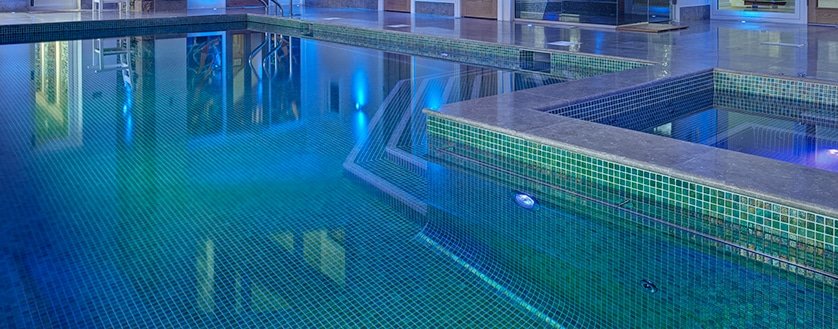
Several factors affect how many pool tiles you need beyond simple surface area measurements. Understanding these ensures you buy the correct quantity, avoiding shortages or overstock. Factors include tile size, grout lines, pool shape, and design patterns. Adjusting calculations to accommodate these elements leads to a more accurate pool tile estimate. Vancouver pool owners often face these considerations due to unique architectural styles.
Tile size directly impacts the number of tiles required; smaller tiles mean higher quantity. Grout lines reduce tile coverage slightly but add aesthetic value and proper sealing. Complex pool shapes such as curves or steps increase tile waste during cutting, affecting quantity. Design choices involving mosaic or patterned tiles often require extra tiles for uniformity. Ignoring these factors can result in insufficient or excessive tiles, complicating installations.
For instance, a rectangular pool versus a freeform pool will require different calculation approaches due to shape complexity. In Vancouver, many pools feature diverse designs, making precise calculations even more critical. Estimating tile quantity factoring in these variables helps in budgeting and minimizing material waste. Professional tilers usually add a 10-15% buffer in tile quantity for these reasons.
To apply these considerations practically, list down tile size and design preferences before starting the calculation. Use the pool tile calculator adjusting for grout width and shape complexity. This workflow ensures you get a detailed pool tile estimate fitting your specific pool. It delivers confidence in ordering sufficient tiles without unnecessary extras.
Understanding these influencing factors leads to better pool tile planning. The upcoming section will guide you through practical methods to measure and calculate pool size effectively. Mastering measurements is fundamental in achieving accurate tile estimates.
Measuring Your Pool to Calculate Tiles Accurately

Correctly measuring your pool is the foundation of how to calculate pool tiles accurately. This section promises to guide you through measurement techniques and tools necessary for the job. Taking precise measurements of length, width, depth, and any additional surfaces will ensure correct tile estimates. Errors in measurement often cause significant discrepancies in tile quantity. Vancouver pool owners benefit from this detailed measuring approach.
Start by using a measuring tape or laser distance measurer to capture the pool dimensions. Measure length and width at the waterline and again at the bottom to account for slope. Depth measurements should include shallow and deep ends for accuracy. Don’t forget to measure steps, benches, and other architectural features that need tiling. These measurements create a comprehensive data set for calculating the tile quantity correctly.
Measurement accuracy impacts the pool tile estimate and project cost significantly. Using tools like a pool size calculation guide simplifies this process. This internal link leads to step-by-step instructions designed specifically for pool measurements. Combining these measurements with tile size details allows for a well-informed tile quantity calculation. Such precision is especially vital in areas like British Columbia where pool designs vary widely.
As an example, if your pool has uneven sides or curved edges, consider dividing the pool into smaller sections for measurement. Calculate each section’s area individually before summing to get the total surface area. This approach improves your needed count by accommodating complex designs. Proper measurements directly influence your tile estimate, reducing errors and overspending.
Once accurate measurements are taken, you can confidently proceed to calculate tiles for pool surfaces. The next section focuses on applying these measurements practically to finalize your pool tile quantity for purchase and installation.
Final Steps to Calculate and Purchase the Right Pool Tile Quantity

With measurements and calculations ready, it’s time to finalize how many pool tiles to order. This section will walk you through applying all gathered data to make informed tile quantity and purchase decisions. Being methodical in these final steps prevents shortages and overspending. Vancouver residents often face delays when ordering tiles, making accurate calculation crucial. Taking time now saves stress later in the pool project.
Begin by confirming total surface area and dividing by individual tile area to get an initial tile quantity. Add a contingency amount, generally 10-15%, to cover cutting waste and future repairs. Compare different tile sizes and styles to see how they affect quantity and cost. Then, consult suppliers to check tile availability and pricing for budgeting. This thorough approach streamlines your purchase and installation process.
When ordering, consider delivery times and storage conditions, especially in British Columbia’s climate, to maintain tile quality. Ordering from trusted suppliers ensures you receive accurate pool tile estimates and high-quality products. Using online resources and guides can further improve your pool tile estimate accuracy. These final steps complete your preparation, allowing for smooth execution of the tiling project.
Here is a handy list of tips to finalize your tile order:
- Always order 10-15% extra tiles for safety and repairs.
- Check tile dimensions precisely before purchase.
- Factor in grout width when calculating coverage.
- Choose suppliers with reliable customer support in Vancouver.
- Plan delivery around your project timeline to avoid delays.
- Store tiles properly to prevent damage before installation.
Following these guidelines ensures you manage your project effectively. With this knowledge, you are ready to create a beautiful tiled pool in Vancouver or beyond.
