

Epoxy Grout, Epoxy Grout & Installation, Installation Efficiency & Labor, Maintenance, Cleaning & Longevity
What Happens If You Use the Wrong Grout in a Pool?
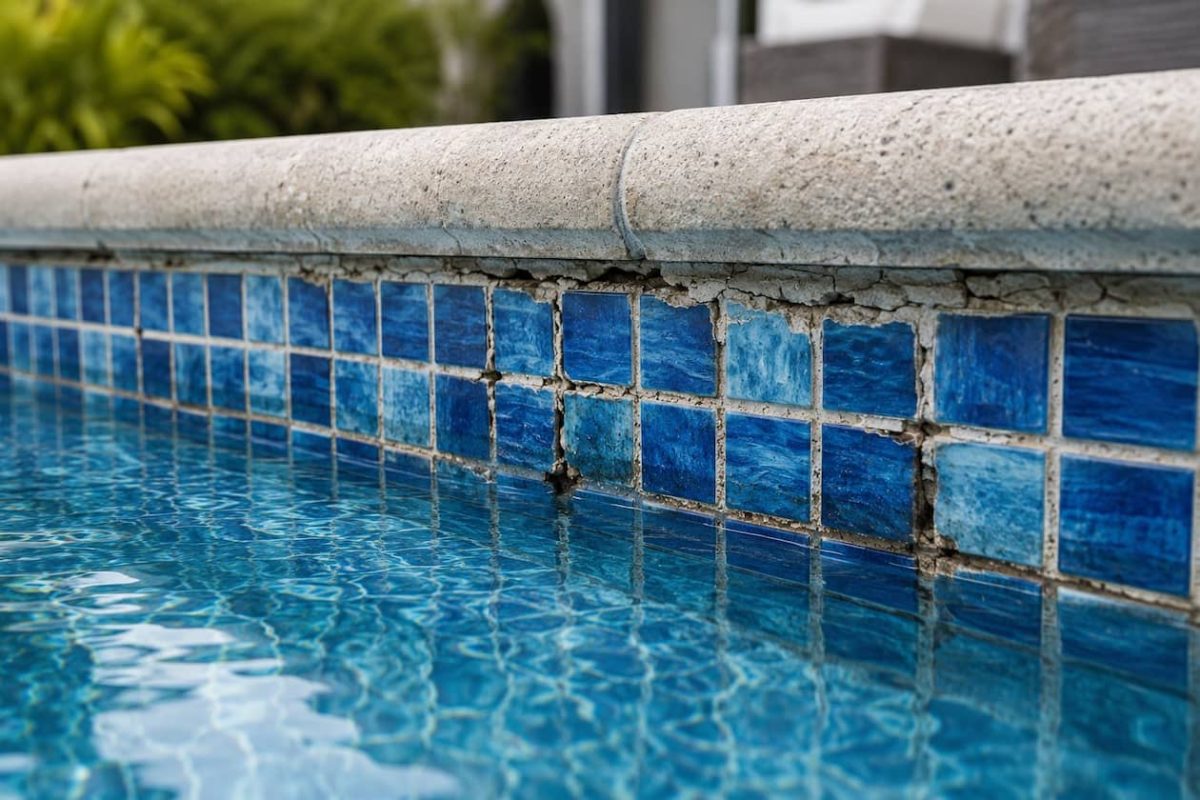
Nov
Understanding the Impact of Wrong Grout in a Pool
Using the wrong grout in a pool can lead to serious complications that undermine the pool’s longevity and aesthetic appeal. This article explains what happens with incorrect grout for pool applications. If you’re a pool owner or installer in Vancouver, British Columbia, knowing the effects of pool grout problems is crucial for maintaining your investment. Grout acts as the bonding and sealing material between tiles, so choosing correctly impacts pool safety and usability.
Grout in pools differs from standard grout due to exposure to water, chemicals, and UV rays. Typical grouts can degrade quickly, causing cracking, discoloration, and water seepage. Incorrect grout for pool materials cannot withstand these stresses, leading to premature failure. For instance, epoxy-based and cementitious grouts perform differently under pool conditions.
When wrong grout in pool usage occurs, problems like loosening tiles and water damage often follow. Compared to the proper pool grout types, the wrong grout may absorb moisture, fostering mold growth and weakening the pool structure. These issues require frequent repairs or replacement, increasing maintenance costs and inconvenience in Vancouver’s variable climate.
A typical scenario involves using non-waterproof grout that deteriorates after chemical treatments. For example, a homeowner might experience grout crumbling or staining just months after application. This example stresses how important selecting the right pool grout is to avoid repair downtime and costly renovations.
Recognizing what happens wrong grout pool scenarios entail prepares you to make better choices. This knowledge naturally leads to how to identify and avoid common pool grout mistakes, ensuring durable results and reduced long-term expenses.
Common Pool Grout Mistakes and Their Consequences

Pool grout mistakes often stem from using unsuitable materials or incorrect application methods. Understanding these errors helps prevent future issues in pool maintenance around Vancouver, British Columbia. Addressing pool grout problems early prevents damage escalation and preserves the pool’s integrity and beauty.
Common mistakes include using sanded grout where unsanded is required, incorrect mixing ratios, and ignoring manufacturer recommendations. Also, insufficient curing time or applying grout in unfavorable weather can compromise adhesion. Such mistakes lead to cracking, shrinking, and loss of waterproofing capabilities rapid enough to be noticeable.
These errors tend to result in water infiltration under tiles, causing looseness and surface defects. Incorrect grout for pool use also increases the chance of staining due to chemical absorption. This problem weakens the bond between tiles and the pool surface, lowering overall pool safety and comfort.
An example of pool grout mistakes includes mixing grout too thinly, causing it to wash away during cleaning or water exposure. Homeowners often overlook the grout type, opting for convenience over compatibility, which leads to visible damage within a short period. Consequently, these results highlight the importance of precision in grout selection and installation.
Learning from these common mistakes sets the stage for choosing the right grout. The next section explores how to select proper pool grout to avoid complications and ensure long-lasting performance, which is especially relevant for pools in Vancouver’s climate conditions.
Choosing the Right Grout for Your Pool
Choosing the right grout is vital to circumventing pool grout problems and ensuring pool durability. This section explains the criteria for selecting grout materials appropriate for pools, particularly in Vancouver, British Columbia’s environment. Proper grout selection improves structural integrity and aesthetic appeal while minimizing maintenance.
Grout must be waterproof, chemical-resistant, and flexible enough to withstand pool movements. Epoxy grout and specialized cementitious grouts are commonly recommended. Each type has unique properties suited for different pool conditions, such as temperature fluctuations and chlorine exposure. Knowledge of these traits helps in making an informed choice.
Comparing grout options reveals that epoxy grout offers superior stain resistance and durability but requires careful application. Cementitious grout is easier to apply yet less resistant to chemicals if not sealed properly. Select grout compatible with the tile material and pool usage to avoid premature failure caused by water absorption or swelling.
For example, a homeowner in Vancouver might prefer epoxy grout to combat the city’s moist climate and frequent pool use. Understanding the performance differences allows selecting grout that reduces repairs and extends tile life. A professional assessment often clarifies the best option based on pool design.
Choosing the right grout leads naturally to practical guidelines on applying grout correctly. Proper installation is as crucial as grout type for long-term success in pool maintenance, which will be discussed in the following section.
Proper Application Techniques to Prevent Pool Grout Problems
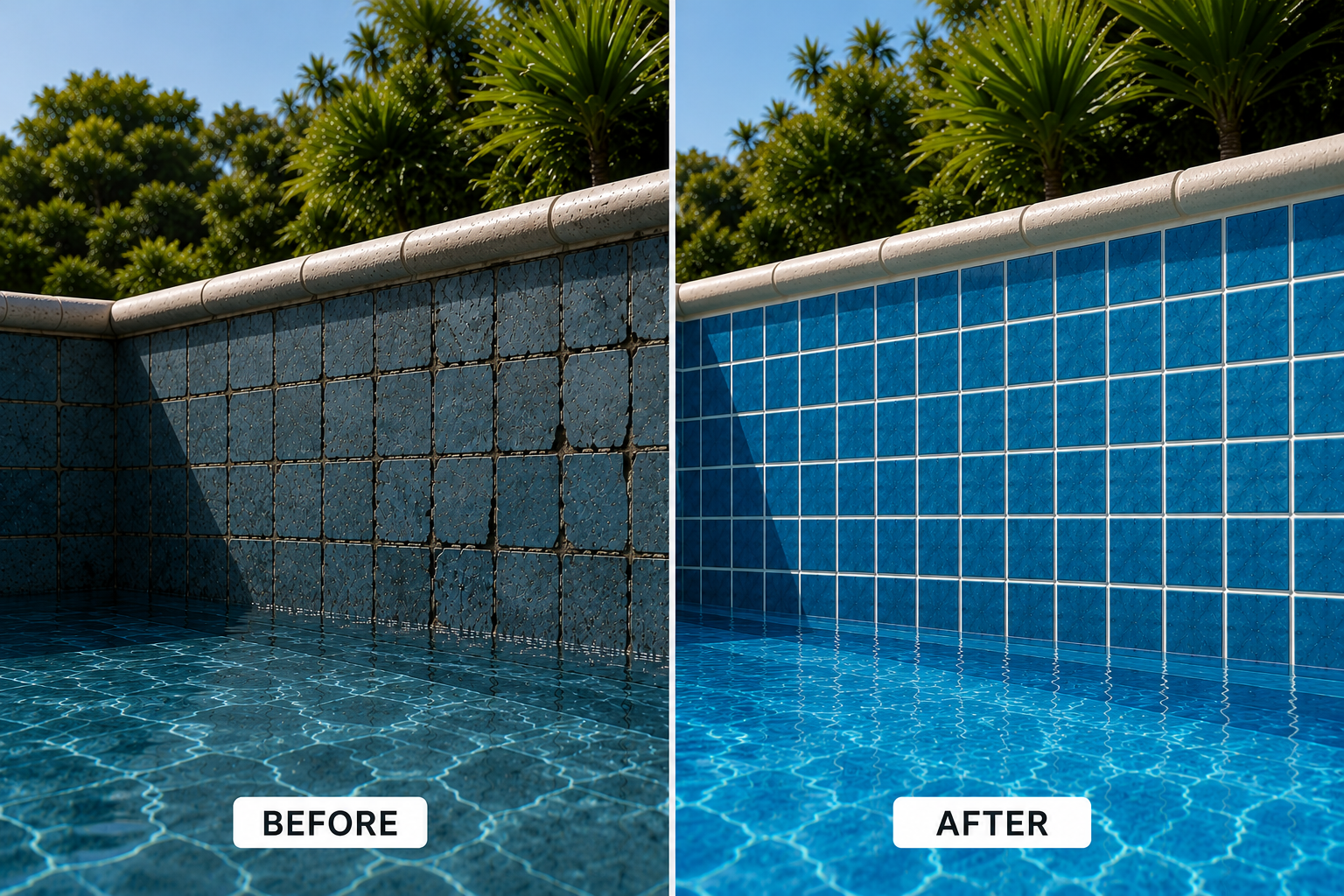
Proper application of grout is essential in avoiding the issues tied to using wrong grout in pool projects. This section provides practical steps to ensure correct installation, emphasizing tips for Vancouver’s specific conditions. Neglecting these steps often results in early pool grout problems requiring costly fixes.
The application process involves cleaning tiles thoroughly, mixing grout correctly, and applying it uniformly. Allowing adequate drying and curing time is critical to achieving full grout strength and waterproofing. Environmental conditions such as humidity and temperature influence curing in open-air pools, necessitating adjustments to typical procedures.
Expanding on techniques, applying sealants after curing further protects grout from chemical and water damage. Multiple coats may be necessary for enhanced protection in pools subject to heavy use. Proper tools and adherence to manufacturer instructions prevent uneven surfaces and gaps that lead to water infiltration.
For instance, a pool installer in Vancouver might schedule grout application during mild weather to ensure optimal curing. Applying grout during rainy seasons without precautions could jeopardize the process and result in early deterioration. Practical awareness of environmental factors improves outcomes and reduces the risk of repairs.
Ensuring proper application sets the groundwork for troubleshooting any issues arising from previous pool grout mistakes. This preparation helps maintain pool durability and aesthetics longer, guiding us to the next section on identifying and solving pool grout problems effectively.
Diagnosing and Fixing Pool Grout Problems
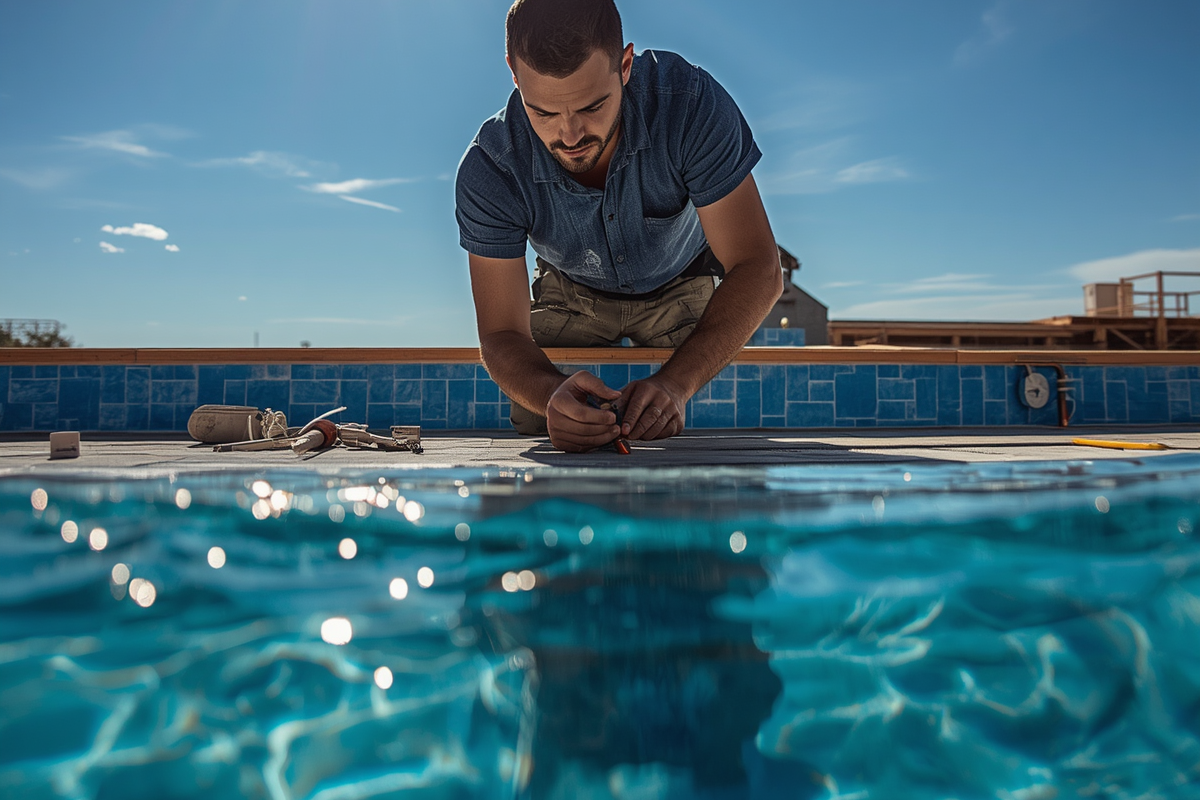
Identifying and addressing pool grout problems early minimizes damage and costly repairs. This section discusses effective strategies for diagnosing and remedying issues caused by wrong grout in pool applications. Vancouver homeowners benefit from proactive maintenance to preserve pool functionality and appearance.
Common symptoms of grout failure include cracking, crumbling, discoloration, and loose tiles. These signs indicate water penetration and weakening grout bonds. Understanding these visual cues allows timely intervention, preventing further structural harm or mold development beneath tiles.
Repair methods vary based on the extent of damage. Minor cracks may be sealed with suitable sealants, while extensive damage often requires grout removal and replacement. Choosing correct repair materials compatible with original grout reduces recurrence of problems. Professional help is advisable for complex issues.
For example, a pool owner noticing discoloration and tile instability in Vancouver might consult experts to remove faulty grout and reapply a chemical-resistant type following recommended procedures. This approach restores pool integrity and aesthetic quality, enhancing user experience.
Regular inspection and maintenance routines help avoid pool grout mistakes and problems. Consider this ongoing care as a critical component for optimal pool performance in various environmental conditions common in British Columbia.
Preventative Tips to Avoid Using Wrong Grout in Pool Projects
Prevention is the best measure against the complications caused by wrong grout in pool use. This final section outlines practical tips for choosing and applying grout to avoid costly pool grout mistakes. Applying these practices in Vancouver and similar regions ensures durable, attractive pool finishes.
The key preventative strategies include thorough research on grout types, consulting pool tile professionals, and closely following application instructions. Selecting grout rated for aquatic environments reduces risks. Avoid rushing the installation process and monitor weather conditions to optimize curing.
Further, regular cleaning and sealing of grout surfaces maintain water resistance and prevent chemical damage. Monitoring pool water chemistry minimizes grout degradation caused by imbalanced pH or high chlorine levels. Combined, these habits extend grout lifespan and keep pools safe and beautiful.
An actionable list for prevention is helpful:
- Use pool-specific grout designed for water and chemical resistance.
- Consult professionals before purchasing or applying grout.
- Follow all manufacturer guidelines for mixing and applying grout.
- Allow for full curing time in appropriate weather conditions.
- Perform regular grout sealing and pool water maintenance.
- Inspect grout periodically for early signs of wear or damage.
Implementing these strategies minimizes the risks associated with wrong grout in pool use. To deepen your understanding of grout choices, further resources can be explored such as guides on selecting the right pool tile grout. For more detailed technical insights, consult expert advice available at comprehensive pool grout guides. These resources complement your pool care efforts effectively.
