

Epoxy Grout, Technical
Saltwater Pools: The Best Grout & Adhesives Compared
Apr
Tiling a Saltwater Pool: The Best Grouts and Adhesives to Use
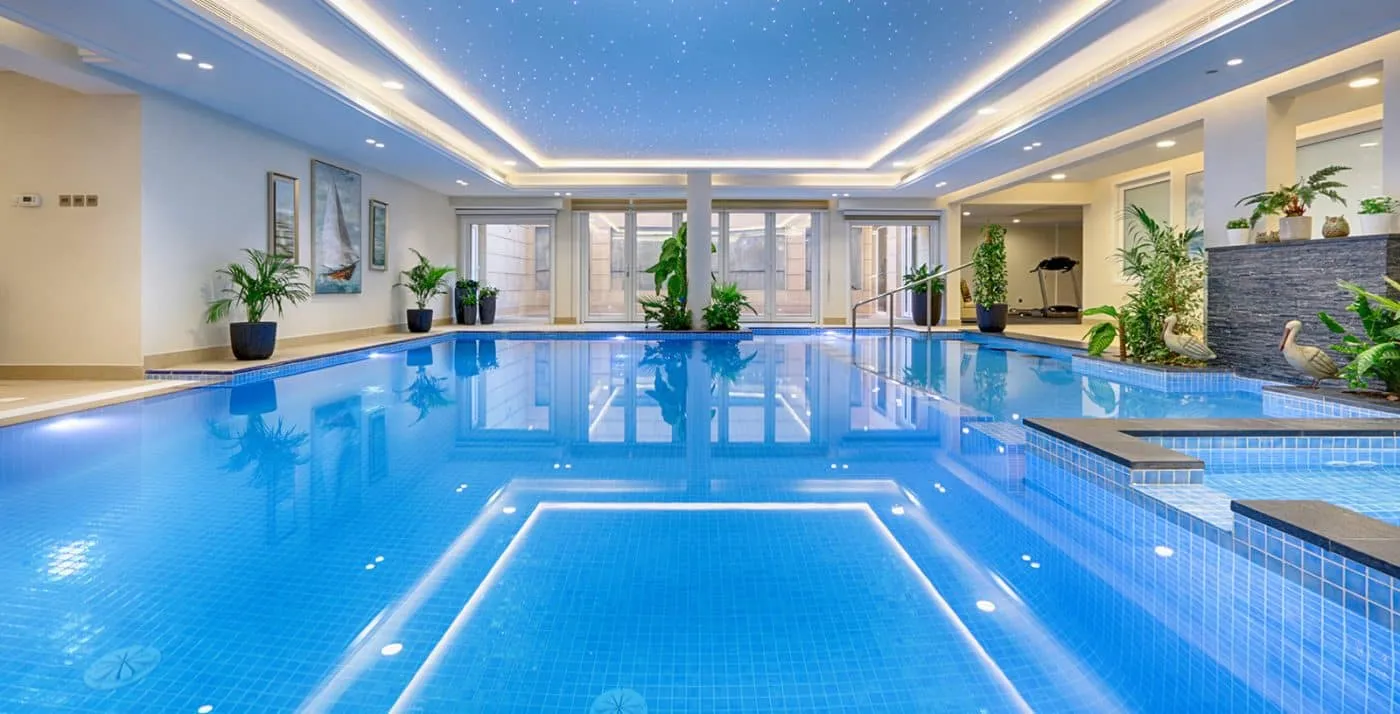
Choosing the right grout and adhesive for a saltwater pool is essential for ensuring both durability and long-term performance. The high salinity of these pools can be tough on finishes, making it crucial to select products that can withstand this unique environment. In this guide, we’ll cover the top grouts and adhesives you should consider for saltwater pools, along with key tips to make your installation a success.
Why Choosing the Right Materials Matters
The impact of saltwater on pool materials can be significant over time. While saltwater is less harsh than chlorine, it still has corrosive properties that can affect the longevity and appearance of your pool. Using the wrong grout and adhesive can lead to:
- Tile deterioration
- Discoloration of grout
- Premature cracking
- Water leakage
By selecting the appropriate products, you will not only protect your pool’s structure but also maintain its aesthetic appeal for years to come.
Best Grouts for Saltwater Pools
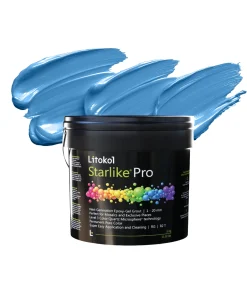
1. Epoxy Grout: The Gold Standard
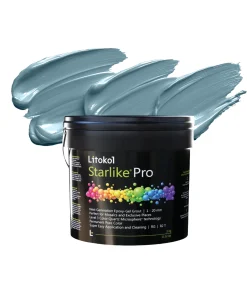
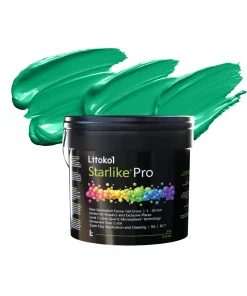
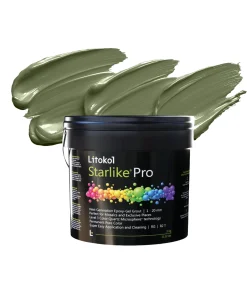
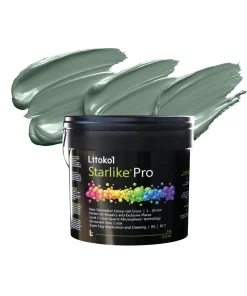
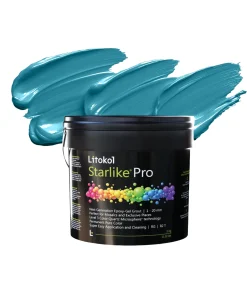
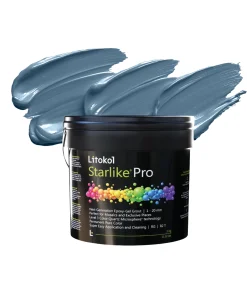
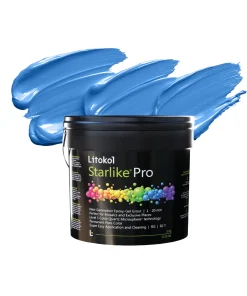
Epoxy grout is considered the top choice for saltwater pools due to its superior resistance to chemicals, moisture, and stains. It provides unmatched durability, making it ideal for environments exposed to high levels of salt.
- Highly Resistant to Corrosion: Perfect for salty and chemically treated pools.
- Stain-Resistant: Keeps your pool looking new and clean over time.
- Durable and Flexible: Minimizes the chances of cracking.
Note: While epoxy grout may be more expensive than traditional cement grout, its long-term benefits outweigh the initial cost.
2. Cement-Based Grout with Additives
For those seeking a cost-effective alternative, cement-based grout enhanced with additives can be a viable option. These additives improve the grout’s resistance to salt, chemicals, and moisture, making it a reasonable substitute.
- More Affordable: Easier on the budget compared to epoxy.
- Simpler Application: Less complicated to apply during installation.
However, cement-based grout may require more frequent maintenance and won’t last as long as epoxy.
Best Adhesives for Saltwater Pools
1. Polymer-Modified Thinset Mortar
Polymer-modified thinset mortar is a popular choice for saltwater pools due to its moisture resistance and ability to form a strong bond between the tiles and the pool surface.
- Moisture Resistance: Helps prevent water damage.
- Flexibility: Adapts to temperature changes, reducing the risk of cracks.
- Strong Bond: Keeps tiles securely in place.
2. Epoxy-Based Adhesive
Epoxy-based adhesive offers the highest level of durability, making it another top recommendation. It shares many of the same benefits as epoxy grout, providing a robust, waterproof bond that resists salt and chemical exposure.
- Extremely Durable: Ensures a long-lasting installation.
- Waterproof and Chemical Resistant: Ideal for saltwater and harsh pool environments.
Note: Epoxy-based adhesive is more costly but offers unparalleled strength and longevity.
Key Considerations Before You Begin
Before starting your tiling project, keep these essential tips in mind:
- Consult a Professional: If unsure which products to use, seek advice from a pool contractor.
- Check for Warranties: Ensure that the grout and adhesive are covered under a warranty, especially for saltwater applications.
- Test a Small Area: Always test on a small section before a full installation to confirm compatibility.
Conclusion: Choosing the Right Materials Pays Off
Investing in high-quality grout and adhesive is key to the success of any saltwater pool tiling project. Epoxy grout and polymer-modified thinset mortar provide the best combination of durability and resistance to saltwater, making them the top choices for pool installations. Though these products may come with a higher upfront cost, their long-lasting results make them well worth the investment.
Ready to Tile Your Saltwater Pool?
At PoolTile.ca, we offer a wide range of tiles, adhesives, and grouts specifically designed for saltwater environments. Need help choosing the right products for your project? Contact our team today!
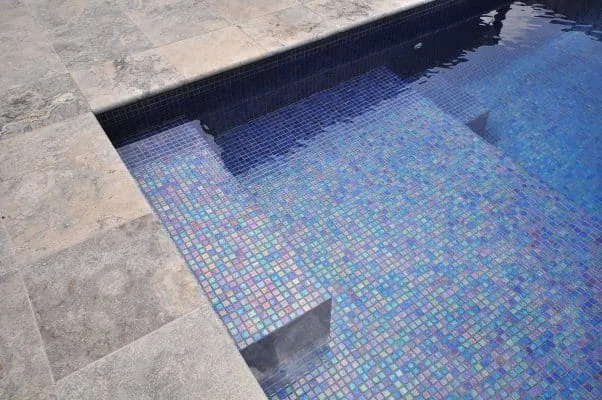
What Makes a Pool Tile High Quality?
Understanding High Quality Pool Tile When selecting the right materials for your swimming pool, understanding [...]
Nov
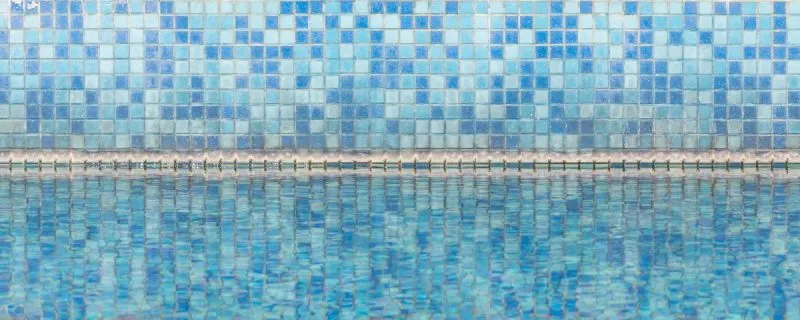
How to Prevent Grout Discoloration in Pools
Understanding the Importance of Grout Discoloration Prevention Maintaining a clean and aesthetically pleasing pool requires [...]
Nov

Are Reflective Pool Tiles Worth It?
Understanding Reflective Pool Tiles and Their Appeal Reflective pool tiles have become a popular choice [...]
Oct

How to Calculate How Many Pool Tiles You Need
Understanding the Basics to Calculate Pool Tiles Knowing how to calculate pool tiles is essential [...]
Oct

How to Reduce Installation Time with Mosaic Pool Tiles
Understanding the Importance of Efficient Pool Tile Installation Reducing the time it takes to install [...]
Oct

What Adhesives Are Approved for Pool Tile Installations?
Understanding Pool Tile Adhesive and Its Importance When it comes to installing tiles in swimming [...]
Oct
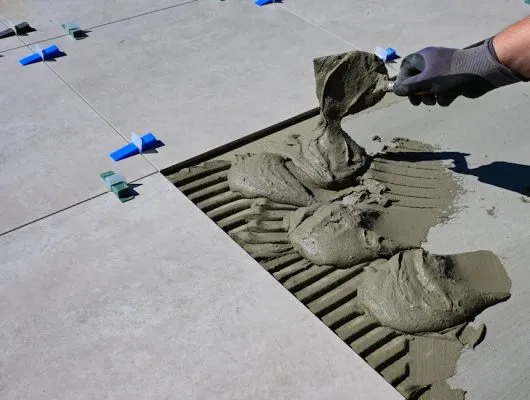
How Climate Affects Grout and Adhesive Performance
Understanding Climate Effects on Grout Climate effects on grout can significantly influence the longevity and [...]
Oct

How Trade Programs Benefit Pool Contractors
Introduction to Trade Programs Trade programs for pool contractors provide essential resources and opportunities that [...]
Oct
