

Epoxy Grout, Epoxy Grout & Installation, Uncategorized
Is Epoxy Grout Harder to Install?
Apr
Understanding Challenges
Epoxy grout installation can be perceived as more complex compared to traditional options. This post aims to clarify the difficulties and provide actionable tips to assist installers. Understanding the factors involved will improve your confidence with this task. With proper preparation, the process can be straightforward even for those new to it. This introductory insight sets the stage for a detailed exploration of the topic.
Epoxy grout is a unique material combining resin and hardeners, offering superior durability and resistance. Its chemical makeup distinguishes it from cement grout, making installation distinct. The installation process requires precise mixing and quick application before the grout hardens. Many installers note that the working time is limited, increasing the challenge. These factors contribute to the overall difficulty experienced during installation.
Comparing epoxy vs cement grout installation reveals key differences impacting labor and technique. Cement grout allows for a slower process, whereas epoxy grout demands accuracy and speed. Additionally, epoxy grout’s chemical composition grants greater stain and crack resistance, justifying the extra effort. Installers must adapt their approach to accommodate these characteristics effectively. This understanding helps in planning and executing projects with epoxy grout.
For example, a pool renovation in Montreal involved grout installation to enhance tile longevity under harsh conditions. The installer followed specific tips such as mixing small batches and cleaning excess grout promptly. This step boosted the finished surface’s neatness and durability. Such application success stories emphasize the importance of technique when working with epoxy grout. These practical examples illustrate how overcoming difficulties improves results.
Knowing these aspects helps prepare for the subsequent section on step-by-step procedures. It is essential to build confidence through a clear grasp of what installation entails. Readers can expect detailed guidance next, including preparation, tools, and troubleshooting insights. This foundation ensures smoother processes and less frustration moving forward.
How to Install Epoxy Grout: Step-by-Step Procedure
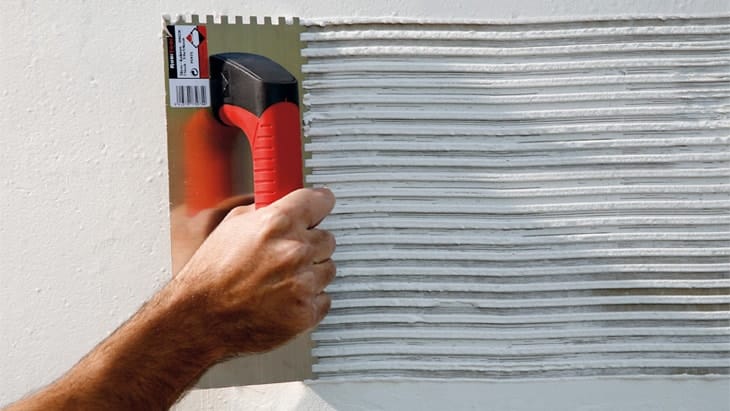


Mastering how to install epoxy grout requires understanding each stage carefully to avoid common pitfalls. This segment promises a clear step-by-step procedure that demystifies tips needed for success. Clarity in sequence and attention to detail are crucial to manage the limited working time effectively. Each step is designed to build upon the last, offering a systematic approach. This structure empowers even those less experienced in installation.
First, surface preparation involves thorough cleaning to remove dust and contaminants. Next, properly mixing the resin and hardener is vital, ensuring a uniform consistency. The grout must then be applied rapidly using a rubber float to force it into joints without air pockets. Excess grout is wiped off gently before curing begins, maintaining a smooth finish. These core steps define the installation process and determine quality outcomes.
Expanding on mixing, install guides recommend making small batches to accommodate quick curing times. This prevents waste and facilitates better control during application. Additionally, surface temperature in Montreal’s climate can affect curing speed, requiring adjustments. Installers often compare techniques to find optimal methods suited to their environment. Understanding these nuances aids in refining application skills for superior results.
For example, in a recent project within Montreal’s residential pools, careful batch mixing allowed the team to complete installation efficiently. They used the timing window effectively, preventing premature hardening. This successful execution exemplifies how applying theoretical tips in real-world settings enhances outcomes. Practical demonstration alongside detailed steps supports learning and confidence. Following these instructions closely minimizes mistakes and increases success rates.
Proper execution of these detailed steps prepares you to address considerations on material selection next. The insight gained here forms the basis for making informed decisions on grout choice suitable for specific projects. Moving forward, understanding how material properties influence installation will deepen your knowledge base and effectiveness.
Material Selection and Its Impact on Installation Difficulty

Selecting the right epoxy grout material is critical for managing installation difficulty effectively. This section explores how material properties affect the installation process and project success. Choosing an appropriate formula can reduce complications and enhance performance, especially in climates like Montreal. Factors such as curing time, flexibility, and resistance must be weighed thoughtfully. This discussion equips you with criteria to evaluate options before application.
Epoxy grout formulas vary from standard to high-performance types designed for different environments. Some formulations offer extended working times, easing the speed challenge installers face. Others provide improved flexibility to accommodate thermal expansion, important in seasonal climates. Understanding these differences helps in selecting a product that aligns with project requirements and installer skill. Material choice directly influences how difficult installation may feel.
Expanding further, environmental conditions in Quebec impact material behavior during and after installation. Temperature fluctuations and moisture levels require adaptable grout types that maintain integrity. Comparing epoxy vs cement grout installation highlights epoxy’s advantage in resisting water damage and stains. This makes it particularly suitable for pools, spa areas, and high-moisture settings common in Montreal. Selecting grout with these properties reduces maintenance needs and increases longevity.
For instance, a local pool contractor chose a high-performance epoxy grout for a Montreal pool renovation, considering the city’s humid summers and cold winters. The material’s flexibility and chemical resistance delivered durability surpassing conventional options. This example illustrates how informed material selection minimizes difficulty and optimizes project lifespan. These real-world insights guide installers toward better procurement decisions.
Armed with knowledge about materials, readers are now ready to examine common problems encountered during installation. Anticipating challenges supports proactive solutions and smoother workflows. The next section will dive into troubleshooting strategies that tackle typical installation issues efficiently.
Common Challenges and Troubleshooting Epoxy Grout Installation
Recognizing potential issues early enables installers to respond quickly with effective solutions. Challenges often stem from epoxy’s fast curing, mixing errors, or environmental factors. Providing actionable advice helps professionals and DIYers alike reduce stress and improve outcomes. The goal is to enhance confidence when tackling difficult steps.
One common challenge is premature hardening due to incorrect mixing ratios or temperature. This can cause the grout to become unworkable before application finishes. Another issue involves difficulty removing excess grout from tile surfaces without staining. Inadequate cleaning materials or timing differences complicate this task further. Additionally, improper joint filling leads to air pockets and weak spots, affecting durability. Understanding these problems is the first step toward resolving them.
Further addressing these issues, tips recommend always measuring components precisely with supplied tools. Using cool water or adjusting workspace temperature in Montreal may slow curing slightly to allow more working time. Techniques such as applying grout in small sections reduce pressure and mistakes. For cleaning, using specialized epoxy cleaning agents and timing removal within the recommended window ensures a polished finish. These strategies mitigate installation difficulties substantially.
For example, during a pool tile installation project in Montreal, a team encountered rapid curing due to warm weather. By promptly adjusting batch sizes and increasing ventilation, they maintained control over installation. Additionally, careful timing in cleaning prevented surface haze and stains, resulting in an exceptional finish. This case illustrates how troubleshooting methods transform potential setbacks into manageable tasks effectively. It showcases resilience and adaptability in installation scenarios.
Having explored problems and solutions, it is important to shift focus to maintenance and long-term care. The next section will discuss how proper aftercare extends life and maintains aesthetic appeal over time. This continuity supports overall project success and satisfaction for homeowners and professionals alike.
Proper Maintenance for Long-Lasting Epoxy Grout
Effective maintenance of epoxy grout ensures that the installation remains durable and aesthetically pleasing for many years. This section highlights essential care practices that prevent deterioration and extend material life. Experienced installers know that maintenance is as important as correct application. For pool owners in Montreal, maintaining epoxy grout involves routine cleaning and avoiding harsh chemicals. Understanding maintenance needs improves investment returns and user satisfaction.
Epoxy grout is resistant to stains and chemicals but still requires gentle cleaning to preserve its integrity. Using non-abrasive cleaners and soft brushes helps remove dirt and algae without damaging grout lines. Regular rinsing with fresh water minimizes residue buildup common in pool environments. Sealants may be applied but are often unnecessary due to epoxy’s inherent protective properties. This care regimen balances thorough cleaning with material preservation effectively.
Moreover, Montreal’s seasonal climate demands attention to freeze-thaw cycles that can stress grout. Inspecting grout lines periodically allows early detection of cracks or wear. Prompt repair prevents moisture infiltration and costly pool damage. Compared to cement grout, epoxy requires less frequent repairs, reducing long-term maintenance efforts and costs. Choosing epoxy grout thus offers practical advantages for regional adaptability and care efficiency.
For example, a homeowner in Montreal followed recommended maintenance practices over several years with their epoxy-grouted pool. Consistent cleaning and periodic inspection preserved the original vibrant tile appearance and grout strength. This proactive approach prevented problems common with traditional grout in similar settings. It illustrates how combining expert installation with ongoing maintenance achieves lasting results. Learning these care tips complements initial installation knowledge perfectly.
Ultimately, combining proper installation techniques and regular maintenance maximizes success. For further detailed guidance on epoxy grout for pool tiles, visit this resource. Readers are encouraged to explore this comprehensive source for expanded expertise and product options, enhancing confidence in both project planning and execution.
