

Pool Tile Selection & Comparison
What Tile Size Is Best for Curved Pool Surfaces?
Jun
Choosing the Right Curved Pool Tiles for Your Surface
Understanding which curved pool tiles work best is crucial for both aesthetics and functionality. This article promises to guide you through selecting the best tile sizes tailored for curved pool surfaces. Curved pool tiles require special consideration to ensure a smooth finish and strong adherence. Selecting the right tile enhances the pool’s durability and overall appearance. Also, this knowledge can save you from costly renovations later.
Curved pool tiles are specifically designed to bend and conform to non-linear pool shapes. These tiles usually differ from traditional flat tiles in size, flexibility, and shape, making them better suited for curved surfaces. Unlike standard pool tiles that struggle with bending, these adapt without cracking or losing adhesion. The key is size and material that allow flexibility while maintaining functionality. Choosing the appropriate curved pool tiles supports the pool’s long-term integrity.
Comparing tile size pool curves with regular tiles reveals that smaller sizes offer superior adaptability. Smaller tiles or mosaic tiles for curves fit the contours of the pool better, causing fewer gaps and reducing water leakage risks. Large tiles tend to resist bending and can result in uneven surfaces. Flexible options are particularly helpful for intricate designs or rounded corners. Thus, the tile size and type are critical for achieving a flawless curved pool surface.
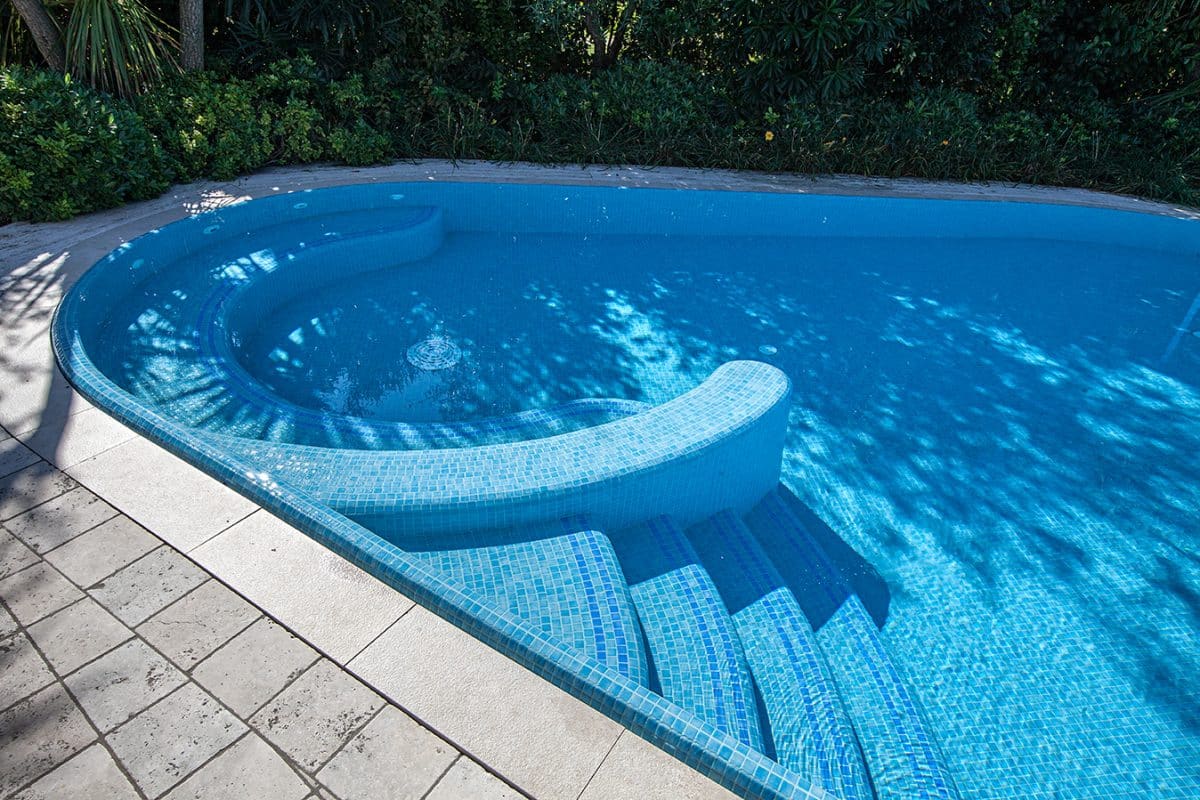
For example, many pool owners in Vancouver use small tiles that measure around 1 inch square. These tiles beautifully mold to the pool’s curvature, especially around pool step areas where precision is vital. Professional installers often use mosaic tiles for curves in these situations to guarantee a neat finish. This approach also helps maintain the pool’s safety by reducing slipping hazards. Pool designers often recommend this tile size for its efficiency and aesthetic appeal.
In summary, selecting curved pool tiles involves understanding the benefits of smaller, flexible tiles designed for curves. This foundation will help in choosing the best tiles for your pool, setting the stage for a deeper dive into installation techniques. Moving forward, it’s essential to consider the installation challenges and solutions for these special tiles.
Installation Techniques
Installing curved pool tiles requires unique skills and tools. This section will explain the best methods to handle these tiles during installation to ensure longevity and appearance. Proper preparation and technique directly influence the success of curved tile projects. Knowing these methods will help you avoid common pitfalls. Additionally, skilled installation complements the tile’s flexibility.
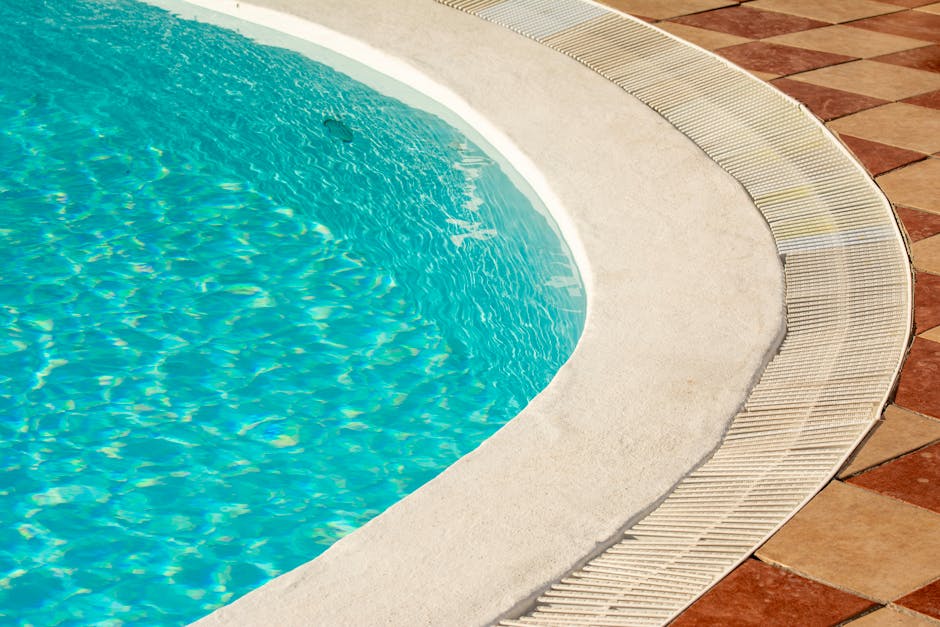
Curved pool tiles installation begins with mapping out the curves precisely. Installers use flexible adhesives that support the tile’s ability to bend and conform to the pool’s shape. Using smaller tiles or mosaic tiles for curves aids in seamlessly following the pool’s contour. Specialized tools like tile nippers and spacers enable custom fitting of tiles on curved edge areas. This careful approach ensures proper bond and waterproofing.
When compared to traditional flat tile installation, curved tile techniques require more attention to detail. The flexible pool tile must align perfectly to avoid unsightly gaps or lifting. The adhesive’s pliability is critical, as it compensates for minor shape irregularities. Without these adjustments, tiles may crack or detach over time. Moreover, pool step tiles especially benefit from these practices due to their complex shapes and frequent use.
An example of this is evident in Toronto pools, where installers have adopted this method widely to address diverse pool designs. Here, small tiles are favored for curved pool surfaces, especially around corners and steps. These tiles, when installed correctly, reduce maintenance and improve aesthetics. Pool owners there report high satisfaction with this installation method. To learn more about preparing such corners and coves, refer to this detailed guide.
In conclusion, mastering the installation guarantees the pool’s durability and visual appeal. Knowledge about installation techniques naturally leads to understanding how tile size influences pool surface performance. Next, we will explore the impact of tile size on maintenance and durability.
How Tile Size Affects Pool Surface Maintenance and Durability
Tile size significantly affects both the maintenance required and the durability of the pool surface. This section promises to clarify how choosing the right curved pool tiles can reduce upkeep effort and extend pool life. The appropriate size minimizes cracks and reduces dirt accumulation. Understanding this can guide you in selecting tiles that serve better in the long run. Also, it highlights the link between tile size and cleaning convenience.
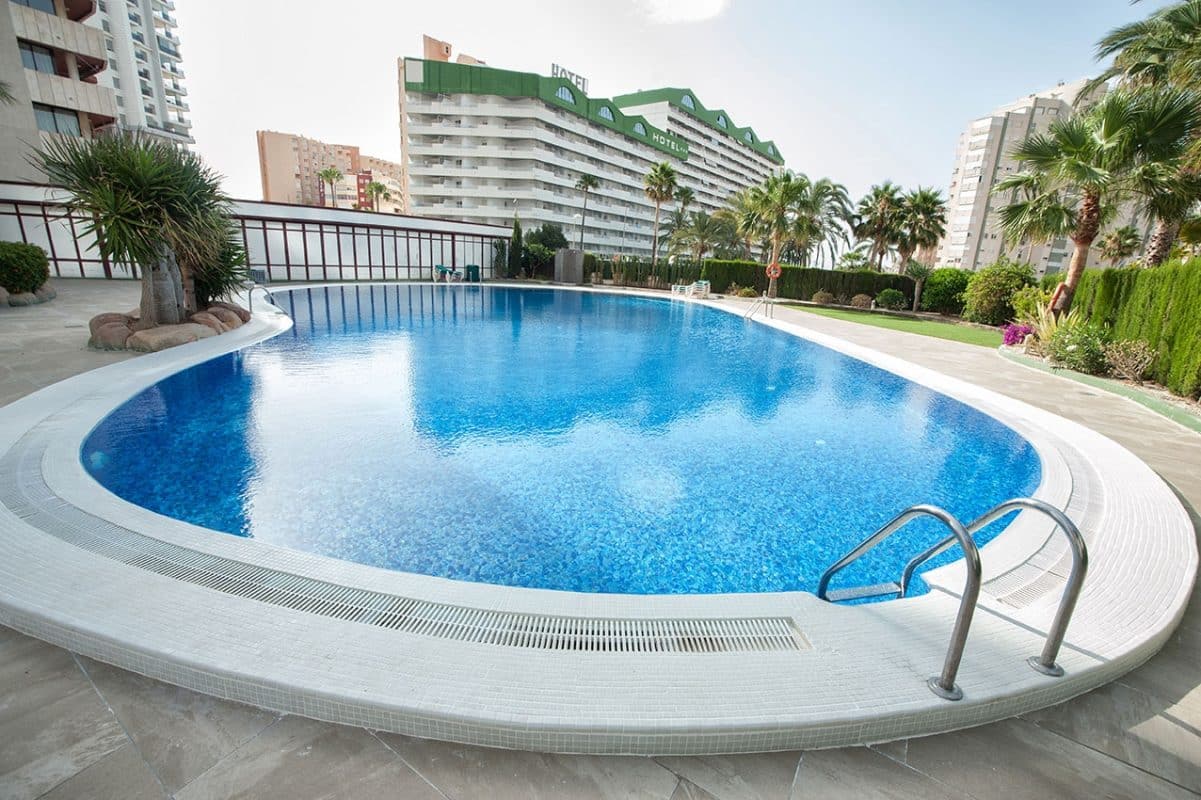
Smaller curved pool tiles, like mosaic tiles for curves, typically perform better in terms of durability. The numerous grout lines help distribute stress evenly, lowering the risk of tile cracking. Furthermore, these tile sizes adapt better to pool curves, reducing water infiltration risks. Larger tiles, on the other hand, have fewer grout lines which may lead to more concentrated stress points. Thus, small pool tiles support both the physical integrity and aesthetic aspects of the pool surface.
Additionally, flexible pool tile options are designed to withstand seasonal changes in temperature and water chemistry. Their small interlocking structure allows for natural expansion and contraction without damage. This adaptability improves the lifespan of pool step tiles, which endure more pressure and contact. The reduced need for frequent repairs makes these tiles cost-effective choices when considering maintenance. Hence, tile size directly affects pool surface sustainability.
For instance, in Vancouver, many pool owners prefer smaller tile sizes specifically because they require less frequent regrouting. It also simplifies cleaning since dirt and algae buildup are easier to address on these surfaces. This preference is supported by professionals who emphasize the long-term benefits of small tile size pool curves. Ultimately, selecting the correct tile size improves overall pool maintenance experience. Looking at these benefits sets the stage for discussing aesthetic customization options next.
To conclude, tile size plays a pivotal role in pool surface durability and maintenance. Recognizing this encourages thoughtful tile selection for curved pools. The following section will focus on design flexibility provided by these tile options.
Design Flexibility
Curved pool tiles offer extensive design flexibility that enhances the visual appeal of pools. This portion will discuss how different tile sizes and types enable unique aesthetic choices. Creative designs become achievable with the right curved pool tiles. Pool owners can customize colors, patterns, and textures proficiently. This flexibility adds value beyond mere utility.
Mosaic tiles for curves are particularly well-suited to intricate designs because of their smaller size and adaptability. These tiles can be arranged in varying patterns that conform smoothly to rounded surfaces. The flexibility of these tiles also permits gradient color effects and artistic layouts. Compared to large flat tiles, smaller tiles provide much greater creative freedom. They can adapt to pool step tiles and corners seamlessly, allowing continuous design flow.
Moreover, flexible pool tile materials enable the creation of three-dimensional effects on curved pool surfaces. These tiles can highlight architectural features or pool shapes uniquely. By varying the tile size pool curves, designers introduce texture contrasts and visual depth. This adds a dynamic visual experience for pool users and observers alike. Thus, curved pool tiles are more than functional elements—they are design assets.
For example, in Toronto, many advanced pools showcase mosaic tiles for curves to create captivating aquatic mosaics or borders. These tiles emphasize the pool’s distinctive shapes and enhance the overall environment. Many pool designers advocate using these flexible and small tiles to bring artistic visions to life. The possibility for customization encourages innovative pool designs and ongoing trends. Embracing design flexibility naturally leads to considerations of the cost aspect.
In summary, curved pool tiles open up vast design possibilities for unique, tailored pool visuals. This perspective helps balance creativity with cost-effectiveness, which we will explore next.
Cost Considerations
Choosing the right curved pool tiles also involves understanding associated costs and budget management. This section aims to clarify common expenses related to different tile sizes and types for curved pools. Cost varies depending on tile size, material, and installation complexity. Being informed helps make cost-efficient yet quality choices. Proper budgeting ensures project success without compromise.
Generally, smaller tiles like mosaic tiles for curves tend to be more expensive per square foot than larger tiles. Their installation requires more labor, given the detailed placement and adhesive needs. Flexible pool tile materials may also carry premium pricing due to specialized production. However, these upfront costs often translate to long-term savings by reducing maintenance and extending pool life. Thus, evaluating the full cost cycle is important.
Comparatively, tile size pool curves that utilize very large tiles might lower initial material costs but can increase risks of damage and repairs. Pool step tiles, often smaller and more customized, add to installation complexities. The balance between tile size, aesthetic needs, and maintenance cost forms the basis of effective budgeting for curved pools. Skilled installers usually recommend factoring in both material and labor to avoid unexpected expenses.
In Vancouver, pool owners frequently find it worthwhile to invest in high-quality small tiles designed for curves. The longer lifespan and reduced upkeep offset the higher initial cost. Many consider it a valuable investment in maintaining pool beauty and functionality. For detailed tips on managing curved tile installations effectively, check out this resource on pool tile coves and corners. Such insights contribute to informed decision-making.
In conclusion, cost considerations for curved pool tiles must include material price, labor, and long-term durability. Understanding these factors enables a balanced, effective pool tiling project that meets both budget and quality goals.
