

Commercial & High-Traffic Pools, Uncategorized
Pool Tile Performance in Commercial vs Residential Projects

Jun
Understanding Commercial Pool Tile Performance in Different Settings
When selecting tiles for pools, the distinction between commercial and residential environments significantly impacts the choice. This article promises a detailed exploration of commercial pool tile performance to aid decision-making. Commercial pool tile performance refers to how well tiles withstand conditions specific to high-use environments compared to residential pools. This performance affects longevity, maintenance needs, and overall safety in pools. By understanding these differences, pool owners and builders in Vancouver, British Columbia can make well-informed tile selections tailored to their needs.
Commercial pool tile durability is critical because commercial pools generally endure heavier use and stricter regulations. Commercial tiles are designed to resist wear, chemical exposure, and mechanical stress, making them distinct from residential pool tiles. Residential vs commercial pool tiles differ mainly in robustness and installation specifics, with commercial tiles requiring higher resilience due to frequent use. These differences necessitate using materials that balance strength and aesthetic appeal suitable for both sectors. This focus ensures pool environments remain safe and visually appealing over time.
The implications of choosing appropriate pool tile performance extend beyond durability. Proper tile behavior reduces repair costs and downtime, especially for commercial properties that face constant use. High traffic pool tiles require rigorous testing and certification to meet local safety and hygiene codes. This diligence ensures commercial pools in areas like Vancouver maintain compliance with health regulations. Selecting the right tile influences long-term maintenance strategies and budgets, making commercial pool tile performance a key consideration in project planning.
For example, a public pool facility in Vancouver might choose mosaic ceramic tiles known for their slip resistance and chemical resilience, ensuring safety and ease of cleaning. Contrastingly, residential pools might prefer decorative glass tiles that enhance aesthetics with moderate durability requirements. This example highlights the practical differences in tile selection based on performance criteria linked to the pool environment’s specific needs. Understanding these distinctions helps pool owners achieve optimal outcomes in their projects.
Recognizing the varied demands between commercial and residential pools sets the stage for diving deeper into specialized features of commercial pool tiles. These layers of understanding contribute to better material choices and better overall pool experiences. Transitioning to the next section, we will explore the materials and technological advancements behind commercial pool tile durability, emphasizing real-world applications.
Materials and Technology Enhancing Commercial Pool Tile Durability
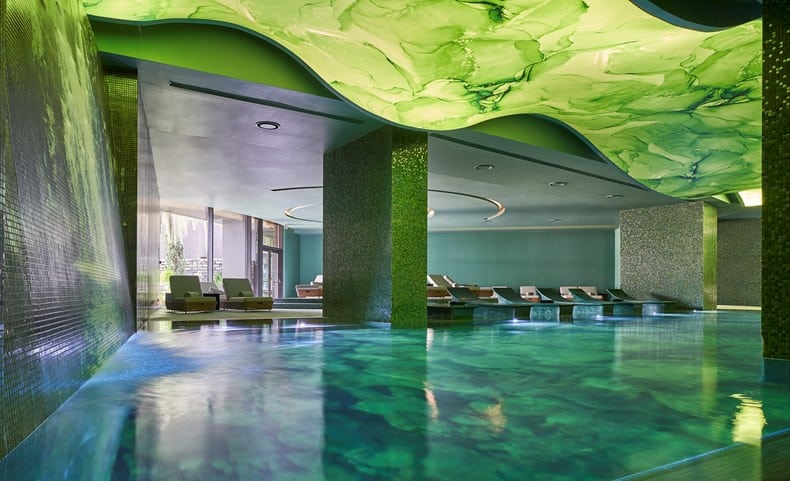
Advancements in materials and technology have significantly improved commercial pool tile durability. This section introduces the technologies enhancing tile resilience, ensuring sustained commercial pool tile performance. Commercial tiles often employ porcelain, glass, or specially treated ceramics to resist cracking and chemical damage. Innovations in coating and glazing technologies further protect tiles from chlorine and other harsh chemicals commonly used in commercial pools. These materials and treatments lead to longer-lasting tiles that can cope with the demanding environment of busy pool areas.
To elaborate, commercial pool tiles must resist frequent cleaning cycles, temperature variations, and heavy foot traffic. Technologies like anti-slip surfaces and UV-resistant finishes contribute to their superior behavior. Moreover, engineered tiles incorporate microstructures that enhance mechanical strength while maintaining smooth aesthetics. These attributes distinguish commercial pool tiles from many residential options, where aesthetic value sometimes outweighs extreme durability requirements. Thus, technological progress largely drives the positive pool tile performance comparison favoring commercial-grade materials.
For instance, a pool designer in Vancouver might specify porcelain tiles with anti-slip coatings for a neighborhood pool facility to balance safety and longevity. Meanwhile, residential projects in the city might use glass tiles emphasizing style with moderate durability standards. This practical application underscores the importance of matching tile materials and technology to the pool’s intended use and expected traffic. The choice of material directly correlates with maintenance ease and replacement frequency in commercial settings.
Such material considerations naturally lead to evaluating more closely how commercial and residential pool tiles perform comparatively over time. The next section will deepen the pool tile performance comparison across these project types using real-life case studies and maintenance data specific to the Vancouver area.
Pool Tile Performance Comparison in Real-World Projects

Comparing pool tile performance between commercial and residential projects reveals key insights into durability, maintenance, and cost efficiency. This section provides an overview of how tiles behave over extended periods under different conditions. Commercial pools usually experience higher usage rates, necessitating tiles that endure frequent wear and chemical exposure without deterioration. Residential pools generally face lighter use but prioritize aesthetics, affecting tile selection and expected longevity. The comparison highlights the necessity of choosing pool tiles aligned with actual usage patterns to optimize investment.
In more detail, commercial pool tile durability is tested by constant foot traffic, chlorine concentration, and cleaning frequency. These factors accelerate tile wear if materials are suboptimal. Conversely, residential vs commercial pool tiles show differing failure modes; residential tiles often fade or crack from environmental exposure, whereas commercial tiles may chip or become slippery without proper surfaces. Understanding these distinctions assists stakeholders in managing lifecycle costs and ensuring safe environments for pool users. This pool tile performance comparison guides effective project planning in both sectors.
For example, a commercial aquatic center in Vancouver reported longer-lasting tiles with professional-grade ceramic compared to a residential facility that required tile replacement after a few years due to cracking. The commercial pool tile performance advantage translates into fewer maintenance disruptions and less downtime. On the other hand, aesthetic considerations led homeowners to choose colorful glass tiles despite slightly reduced durability. Such cases illustrate the trade-offs inherent in pool tile selection driven by differing performance priorities.
This ongoing pool tile performance comparison supports making informed choices for new builds or renovations. The next discussion will focus on how high traffic pool tiles influence safety and operational efficiency, critical factors in commercial settings especially prevalent in busy urban centers like Vancouver.
Impact of High Traffic Pool Tiles on Safety and Efficiency
High traffic pool tiles play an essential role in maintaining safety and operational efficiency in busy commercial pools. This section outlines how specialized tile durability mitigates risks associated with heavy usage. In high-traffic environments, slip resistance and chemical tolerance are paramount to prevent accidents and costly repairs. Standards include certifications for anti-slip properties to meet safety codes. Prioritizing these factors ensures that pools in places like Vancouver can handle large visitor volumes without compromising user safety or increasing maintenance burdens.
More specifically, selecting high traffic pool tiles involves understanding the materials’ physical attributes, such as texture and chemical resistance. These tiles often have textured surfaces to enhance grip under wet conditions. Their robust makeup also withstands frequent chemical treatments, preserving appearance and functionality. Residential vs commercial pool tiles illustrate this difference clearly, as residential tiles seldom require such degree of durability. The safety enhancements delivered by these tiles directly lower accident rates and support smooth pool operation.
For instance, a commercial aquatic center in Vancouver replaced older smooth tiles with textured porcelain that offers superior slip resistance. This upgrade reduced slips and maintenance needs substantially. Conversely, residential owners rarely face such intense foot traffic, allowing for different priority considerations in their tile selections. This example demonstrates how focusing on these tiles improves user experience while optimizing operational costs and safety, fulfilling key commercial project needs.
Recognizing these safety and efficiency benefits leads naturally into considering best practices for pool tile selection, installation, and maintenance. These aspects ultimately maximize commercial pool tile performance and contribute to long-term success.
Best Practices for Maximizing Commercial Pool Tile Performance
Effective pool tile performance depends on proper selection, installation, and maintenance practices tailored to the environment. This section promises actionable advice to optimize commercial pool tile durability and longevity. Choosing materials with proven chemical resistance and mechanical strength is the first step toward durable pools. Following installation guidelines ensures tiles adhere securely and function as intended. Additionally, regular maintenance helps preserve tile integrity and appearance, minimizing replacement frequency and expense.
Specifically, maintenance involves careful cleaning using recommended chemical agents that do not degrade tiles or grout. Selecting commercial pool tile durability with chemical resistance in mind helps avoid premature wear. Installation methods often include proper substrate preparation and sealing practices. These measures collectively safeguard against water infiltration and mechanical stresses. By following best practices, pool managers in Vancouver can ensure their commercial pools deliver excellent serviceability and aesthetic quality over time.
For example, reviewing chemical interaction impacts on tiles helps reduce damage caused by frequent pool treatments. The article why chemical resistance matters in pool tile selection offers detailed insights relevant here. Applying these lessons improves commercial pool tile performance compared to less informed choices. Incorporating expert advice and manufacturer guidelines further elevates project outcomes.
An effective maintenance checklist includes:
- Regular inspection of tile surfaces for cracks or damage.
- Using chemical cleaners recommended specifically for commercial tile types.
- Maintaining grout integrity to prevent water damage underneath tiles.
- Promptly repairing any tile damage to avoid larger issues.
- Scheduling professional cleanings and assessments periodically.
- Adhering to installation specifications by qualified professionals.
Implementing these practices ensures commercial pools meet performance expectations, resist wear, and remain visually attractive. This practical approach highlights the value of careful pool tile selection and upkeep to maximize investment.
To explore further details on chemical resistance and practical pool tile considerations, readers can consult expert resources to enhance their understanding and project results.
In conclusion, evaluating commercial pool tile performance through material choice, technological advances, real-world application, safety emphasis, and maintenance strategies provides a comprehensive framework. This multi-faceted approach supports sustained success in both commercial and residential pool projects and aligns well with the environmental conditions found in Vancouver, British Columbia.
For further in-depth understanding of chemical resistance on tile selection, visit this detailed article that complements the information shared here. Additionally, readers interested in exploring more about pool tile options can refer to why chemical resistance matters in pool tile selection for expert insights.
