

Epoxy Grout & Installation
What Is Epoxy Grout and Why Is It Used in Pools?
Sep
Understanding Epoxy Grout and Its Importance
Epoxy grout is a specialized type of grout designed to withstand harsh conditions, making it ideal for use in swimming pools. It is known for its durability and resistance to chemicals, which promises long-lasting performance. In this section, we will explore what epoxy grout is and why it is important for pool installations. Understanding benefits helps homeowners and professionals make informed decisions in pool construction and maintenance.
Epoxy grout consists of epoxy resins combined with a filler powder, creating a strong bond that is much more resilient than traditional cement-based grouts. This combination makes it waterproof and resistant to stains, which explains why it is often chosen for aquatic environments. Its properties reduce the risk of cracking and deterioration in demanding conditions.
Compared to standard grout, epoxy grout offers superior resistance to chemicals like chlorine, commonly used in pools, which can degrade other materials over time. Its ability to withstand mechanical wear and weather fluctuations enhances its appeal, especially in climates like Vancouver, British Columbia where moisture and temperature changes are significant considerations.
For instance, when installing tiles in a new pool or re-grouting an existing one, using it ensures the seams remain intact and clean, preventing water penetration that could damage the substrate. Moreover, its colorfastness maintains aesthetic appeal through years of exposure to pool chemicals and sunlight. This means fewer repairs and a more visually pleasing result.
Given these points, it is clear that knowing what epoxy grout is aids in grasping why it is preferred. Next, we will discuss the specific uses and how it supports pool longevity and maintenance.
Epoxy Grout Uses in Pool Construction and Repair

For pools, it serves multiple practical purposes beyond basic tile adherence. It is used to seal joints between tiles, preventing water ingress and protecting both the underlying pool structure and the tiles themselves. This introduction highlights the importance of understanding this to maximize pool durability and appearance.
The primary use in pools involves its application in wet environments where traditional grout would fail due to water absorption and chemical exposure. Its impervious nature makes it ideal for sealing and protecting surfaces. Importantly, the product is applied not only in new pool builds but also in renovation projects where enhanced durability is desired.
In addition to sealing tile joints, benefits include resistance to mold and mildew growth, which is a common problem in pools that experience frequent moisture exposure. This property reduces maintenance needs and improves hygiene. Also, pool grout epoxy can be colored to match or contrast with tiles, offering design flexibility for pool aesthetics.
For example, pool builders in Vancouver often recommend this type to ensure long-lasting tile installations because the local climate can accelerate wear on standard grouts. By selecting this material, pool owners benefit from enhanced waterproofing and chemical resistance that surpasses traditional options. This adds real value by extending the life of the pool’s finishing.
The knowledge of its uses thus helps pool owners and installers appreciate its role in construction and repair. In the next section, we will examine the key benefits that make it an excellent choice for pool environments.
Key Benefits of Epoxy Grout in Pool Settings
Understanding the benefits clarifies why it has become a preferred material for pools in many regions, including Vancouver. This section promises an in-depth look at its advantages and how these contribute to pool maintenance and longevity. These benefits are critical for anyone considering pool installation or renovation.
One of the biggest advantages is resistance to cracking and shrinking, which helps maintain structural integrity over time. It is impervious to water and chemical damage, preventing issues such as efflorescence or staining that plague cement-based grouts. Consequently, it ensures seams stay sealed and tiles firmly bonded.
Compared to other materials, this type is more flexible and durable, which means it can handle slight movements and temperature shifts without losing adhesion. This flexibility is especially important in outdoor pools exposed to varying weather conditions. Its resistance to UV rays also prevents discoloration and degradation, which is a common problem in traditional grouts.
For example, in the Vancouver area where pools are subject to frequent rain and temperature swings, these benefits support pool owners by reducing the frequency and cost of repairs. Additionally, its stain resistance makes it easier to clean and maintain, ensuring the pool looks attractive year-round.
Recognizing these benefits helps stakeholders understand why investing in this material is practical. The next part will further explain how pool grout epoxy compares to other options, highlighting its superior qualities.
Comparing Pool Grout Epoxy to Traditional Grouts

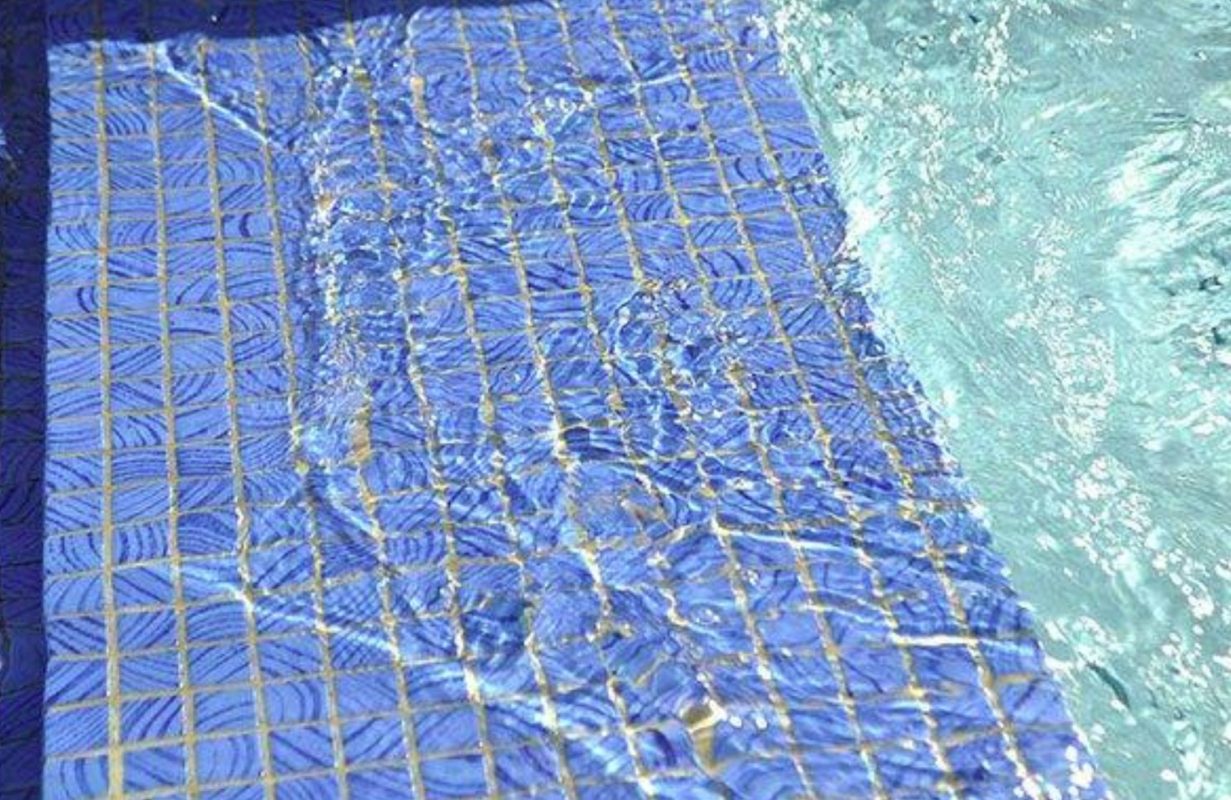
This section introduces the comparison between pool grout epoxy and traditional grout options, emphasizing why this is often the superior choice. By focusing on this comparison, readers will better appreciate the benefits and its practical impact on pool longevity and maintenance.
Traditional grout, such as cement-based types, can absorb water and is prone to cracking, discoloration, and mold growth under prolonged exposure to pool chemicals and moisture. By contrast, pool grout epoxy almost completely resists these issues due to its distinct chemical composition. This difference makes it more reliable for aquatic environments.
Moreover, its chemical resistance guarantees it withstands chlorine and other disinfectants without breaking down or losing color. This property is particularly valuable for pool owners who want a low-maintenance option that remains visually appealing, unlike more porous grouts that degrade rapidly.
For instance, many pool renovation projects in Vancouver have shifted toward using this material to replace older cement grout lines, resulting in stronger, cleaner, and more durable finishes. This transition reflects a wider industry trend that recognizes the significant benefits in aquatic applications.
Understanding the contrast between pool grout epoxy and traditional grout underscores why many opt for this. Continuing from here, we will discuss practical considerations and application tips for using it effectively.
Practical Considerations and Application Tips for Epoxy Grout
This final section covers important practical aspects and tips for applying it, ensuring readers can maximize its benefits. It aims to provide actionable advice that complements the technical knowledge shared earlier, making it easier to implement in real pool projects.
Application requires careful preparation and handling because of its rapid curing time and adhesive properties. It is essential to mix it precisely according to the manufacturer’s instructions to avoid issues with consistency and bonding quality. Proper surface preparation and clean joints are also critical for successful application.
Additionally, due to its chemical nature, applying this material can be more challenging than traditional grout, often necessitating professional expertise or practice to achieve optimal results. Using appropriate tools and working in manageable sections help prevent premature curing and ensure neat grout lines.
For example, when installing grout in a pool setting in Vancouver, following recommended techniques and safety precautions leads to a durable and attractive finish that maximizes the product’s performance. Consulting expert guidance like this internal link can provide valuable insights tailored to local conditions.
In summary, understanding how to properly use it enhances effectiveness and benefits. For further detailed information, readers may also refer to external resources that explore this topic extensively.
Summary and Final Thoughts on Epoxy Grout in Pools

In conclusion, this grout is a superior choice for pool tile installations due to its durability, chemical resistance, and aesthetic qualities. We have explored what epoxy grout is, its multiple uses, and key benefits, providing a comprehensive understanding of its role in pool construction and maintenance.
The durability and resistance reduce maintenance frequency and extend pool lifespan, particularly important in climates like Vancouver, where environmental factors can accelerate material wear. Pool owners who opt for this benefit from long-term savings and improved pool appearance.
Comparisons with traditional grout further reveal why the epoxy variants outperform in moisture-heavy, chemically treated environments. Recognizing these advantages supports informed decision-making for pool projects.
By considering the practical application tips and understanding the technical aspects, pool installers and owners can ensure a successful and enduring grout application. This knowledge is essential for maximizing pool tile performance and aesthetics.
Ultimately, adopting this material in pool projects offers lasting value and peace of mind. This makes it an excellent investment for anyone looking to improve their pool’s quality and sustainability over time.
- Offers unmatched water resistance for pool environments.
- Chemical resistance protects against chlorine and cleaning agents.
- The grout’s durability reduces maintenance needs significantly.
- Maintains vibrant color without fading.
- Proper preparation is key to ensuring optimal grout performance.
- Professional installation improves application outcomes.
