

Authority / “Spec Guide” Content
Pool Tile Selection Guide for Developers

Sep
Understanding Pool Tile Selection Fundamentals
When it comes to pool tile selection, developers need a reliable guide to choose the right materials. This section introduces key factors influencing tile choice for swimming pools. A solid understanding of these basics can significantly impact the durability and look of pools. Effective pool tile selection balances aesthetics with function to meet project needs.
The process means considering water resistance, slip resistance, and material longevity. These characteristics ensure tiles withstand constant exposure to moisture and chemicals. Developers often refer to a pool tile guide to navigate these technical details. Solid knowledge helps avoid repairs and replacements in the long term.
Proper pool tile selection affects maintenance schedules and overall safety. Comparing various options reveals different textures, sizes, and finishes suited to various designs. For example, some tile types are better for shallow areas due to their non-slip surface. Thus, detailed exploration promotes smarter tile decisions.
One application includes choosing mosaic tiles for decorative pools. Such tiles create elegant visual effects while offering excellent water resistance. Another practical choice involves porcelain tiles that combine durability with modern appeal. These examples show how pool tile guide insights translate into real-world results.
In conclusion, understanding the fundamentals prepares developers for deeper exploration. Next, we will examine specific factors that dictate choosing pool tiles for different pool environments. This foundation supports targeted decisions further on.
Key Factors to Consider in Choosing Pool Tiles
Several critical factors must be addressed when choosing pool tiles to ensure functional and aesthetic success. This section promises a detailed explanation of those essential criteria. Developers find selecting pool tile types easier by aligning selections with project conditions. The main areas of consideration revolve around durability, texture, safety, and style.
Durability defines how well a tile withstands pool chemicals and physical wear. Texture relates to slip resistance, an important safety concern especially for pool edges. Style and color influence how tiles complement the overall design theme. Choosing pool tiles requires understanding the coexistence of these elements in the final product.
The implication of balancing these factors is significant. Opting for overly smooth tiles might harm safety but enhance elegance. Conversely, highly textured tiles improve grip but might be less comfortable to walk on. Developers must evaluate priorities depending on pool usage and client preferences to achieve optimum results.
To illustrate, selecting glass tiles offers shimmering beauty but requires careful maintenance due to fragility. Alternatively, ceramic tile options provide sturdy performance with moderate design flexibility. These examples demonstrate how factor assessment guides correct choices aligned with project demands.
After grasping these key considerations, developers gain clarity on what suits various pool designs. The next stage will detail the variety of popular pool tile types available for specific applications in Toronto pools and beyond.
Popular Pool Tile Types and Their Applications
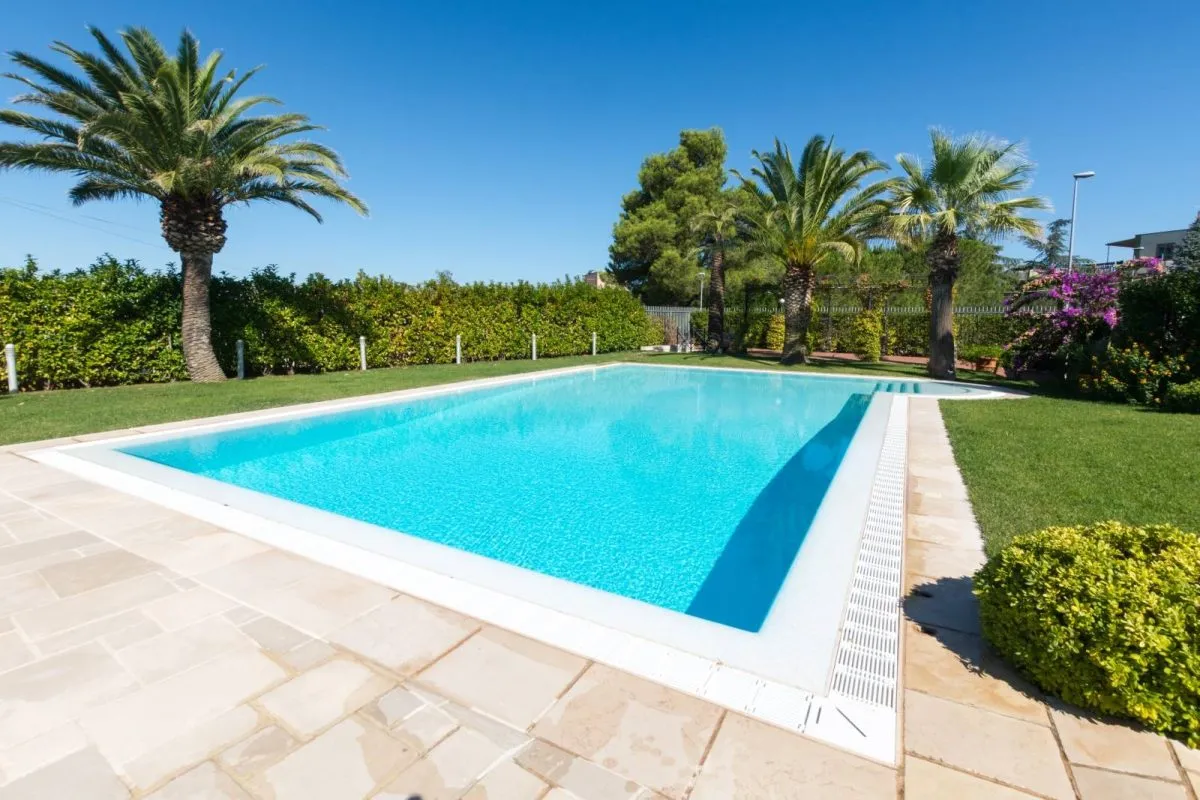
This section aims to provide an extensive overview of popular pool tile types relevant for developers. Selection expands once you understand the distinctive attributes of each tile style. Recognizing the pros and cons allows informed decisions that enhance pool construction quality and appeal. Detailed knowledge supports confident tile selection in diverse project scenarios.
Common types include ceramic, glass, porcelain, natural stone, and mosaic tiles. Each type offers unique benefits; for instance, porcelain tiles provide excellent strength while glass tiles bring vibrant colors. Natural stone adds an organic aesthetic but requires additional sealing. Understanding these differences helps tailor tile choices.
Comparing these options reveals varied durability, price points, and visual effects. For example, mosaic tiles add intricate patterns ideal for luxury pools, yet demand meticulous installation. Ceramic tiles, widely available and affordable, serve well in standard residential pools. Choices depend heavily on design goals and budget constraints.
An example application is using natural stone tiles around a Toronto pool to complement outdoor landscaping. This enhances harmony between pool structure and environment. On the other hand, glass tiles might be preferred for indoor pools due to their reflective qualities. Such tailored usage showcases practical approaches.
Understanding popular types prepares developers to explore current trends influencing modern installations. The following section will delve into these trends and their implications for tile selection strategies moving forward.
Current Trends in Pool Tile Selection for Developers
Keeping up with current trends ensures developers create pools that are both stylish and functional. Trends influence tile preferences, installation styles, and technological improvements. This section outlines how developers in regions like Toronto incorporate these trends to stay competitive. Awareness of trends fosters innovation and better client satisfaction.
Today’s trends emphasize eco-friendly materials, textured finishes for slip resistance, and larger tile formats. Manufacturers innovate with new glazes that resist fading and chemical wear. Additionally, color trends lean towards natural tones and subtle gradients matching outdoor settings. Recognizing these shifts refines developers’ approaches.
Comparatively, past preferences favored brightly colored small tiles, whereas modern choices align more with sophisticated minimalism. Technological advances have enabled easier installation and longer-lasting adhesion. Such progress impacts options available to developers, offering improved quality and variety than before.
For practical insight, see the latest discussion on tile installation and trends at this external source: 2026 Pool Tile Trends. Integrating these advances supports high standards and market relevance.
Next, we address how developers can effectively combine tile specifications to optimize pool performance, linking essential resources for detailed guidance on tile specs used in Toronto’s pool construction scene.
Combining Tile Specifications for Optimal Pool Performance
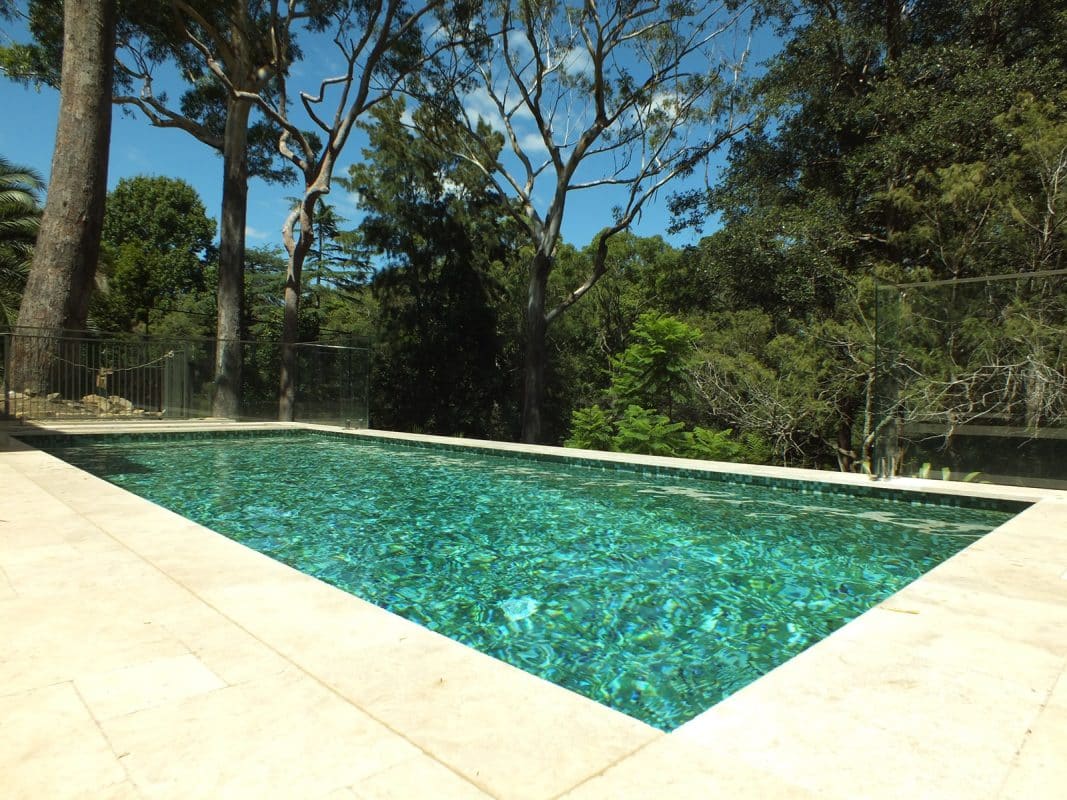
Proper selection extends beyond type and style to detailed specifications to enhance pool longevity and safety. This segment discusses how developers integrate specifications to meet project goals effectively. It explains the importance of evaluating tile size, grout type, slip resistance ratings, and water absorption levels. Detailed specification review supports informed pool tile guide-based decisions.
Specifications such as PEI rating indicate tile durability; while water absorption metrics reveal suitability for submersion. Slip resistance ensures safe walking surfaces, a key factor in public and private pools. Selecting compatible grout prevents cracking and discoloration, which affect appearance and structural integrity. Together, these specs form a comprehensive evaluation framework.
Expanding on their roles, combining these specs minimizes maintenance needs post-installation. For example, low-absorption porcelain reduces risk of water damage, while textured finishes enhance user safety. This comprehensive approach balances aesthetics with robust performance.
Developers in Toronto often consult internal references like What Tile Specifications Matter Most in Swimming Pools to tailor their choices precisely. Using such resources helps align projects with local conditions and client expectations effectively.
Moving forward, applying this detailed knowledge empowers developers to deliver exceptional pool projects. The last section highlights practical tips for smooth project execution focusing on tile selection challenges and solutions.
Practical Tips for Smooth Pool Tile Selection and Installation
This final section offers actionable advice for developers navigating selection challenges efficiently. Effective planning and problem anticipation minimize delays and cost overruns. Tips focus on communication, material verification, and aligning with current trends to ensure successful outcomes. Practical methods ease the entire tile selection and installation process.
Key tips include reviewing material samples early, verifying specifications with suppliers, and choosing experienced installers familiar with pool tile types. Developers also benefit from understanding regional influences, like Toronto’s climate impact on tile durability. Staying updated with industry trends keeps selections relevant and appealing to clients.
Comparatively, projects that neglect these tips often face costly rework and supply delays. Proactive coordination reduces these risks by addressing potential pitfalls before construction begins. Highlighting these strategies supports project efficiency from start to finish.
For ease of reference, consider this checklist when managing tile selection for development:
- Confirm tile durability against local environmental factors.
- Assess slip resistance for safety compliance.
- Align tile style with overall design vision.
- Verify all specifications with trusted suppliers.
- Coordinate closely with installation teams.
- Monitor latest trends to enhance pool appeal.
In summary, implementing these practical tips alongside detailed guidance ensures high-quality, safe, and aesthetically pleasing pool projects. This approach helps developers maintain competitive edges in markets like Toronto’s dynamic construction industry.
