

Climate, Environment & Regional Performance, Installation Efficiency & Labor, Maintenance, Cleaning & Longevity, Specs, Materials & Technical Decisions
Pool Tile Solutions for Saltwater Pools

Apr
Understanding Saltwater Pool Tiles and Their Importance
Choosing the right saltwater pool tiles is crucial to ensure long-lasting functionality and aesthetic appeal. These tiles must withstand the unique conditions presented by saltwater pools, where salt can accelerate wear and tear. In this section, we explore the essential qualities that make tiles suitable for saltwater environments. Understanding these factors will help pool owners and installers make informed decisions. By the end, you’ll appreciate why saltwater pool tiles require special attention in selection.
Key Qualities of Saltwater Pool Tiles
Saltwater pool tiles are specifically engineered to resist the corrosive effects of salt. Unlike traditional pool tiles, these tiles feature materials and coatings that prevent degradation caused by salt exposure. This resistance is vital because salt can erode tiles that are not designed for such conditions, leading to costly repairs. The term salt resistant pool tiles describes this specialized durability designed for saltwater pools. Corrosion resistant pool tiles are typically made from materials like porcelain or glass, known for their endurance.
Durability is a key consideration when selecting tiles for saltwater pools. Salt can undermine the integrity of many materials over time, and salt pool tile durability refers to a tile’s ability to retain its appearance and strength despite constant salt exposure. Compared to freshwater pool tiles, those intended for saltwater must have superior composition and glazes. This makes them a better investment, especially in regions like Vancouver where pool owners favor saltwater systems for their maintenance benefits.
Regional Performance and Long-Term Benefits
For example, Vancouver residents who install saltwater pools often prefer tiles that offer both style and resilience. These suitable tiles for this region withstand climate variations and the saltwater environment without losing color or chipping. The selection includes several products with advanced treatments that reinforce tile surfaces. Homeowners benefit from extended time between replacements and consistent curb appeal. This practical approach also supports sustainable pool ownership practices amidst environmental factors.
With a firm grasp of what defines saltwater pool tiles, we can now delve into the materials and design options available. These choices greatly affect both aesthetics and function in saltwater pools. Understanding these elements will empower you to pick the best tile solutions tailored to your pool’s needs and regional climate, such as in Vancouver.
Materials and Design Options for Saltwater Pool Tiles
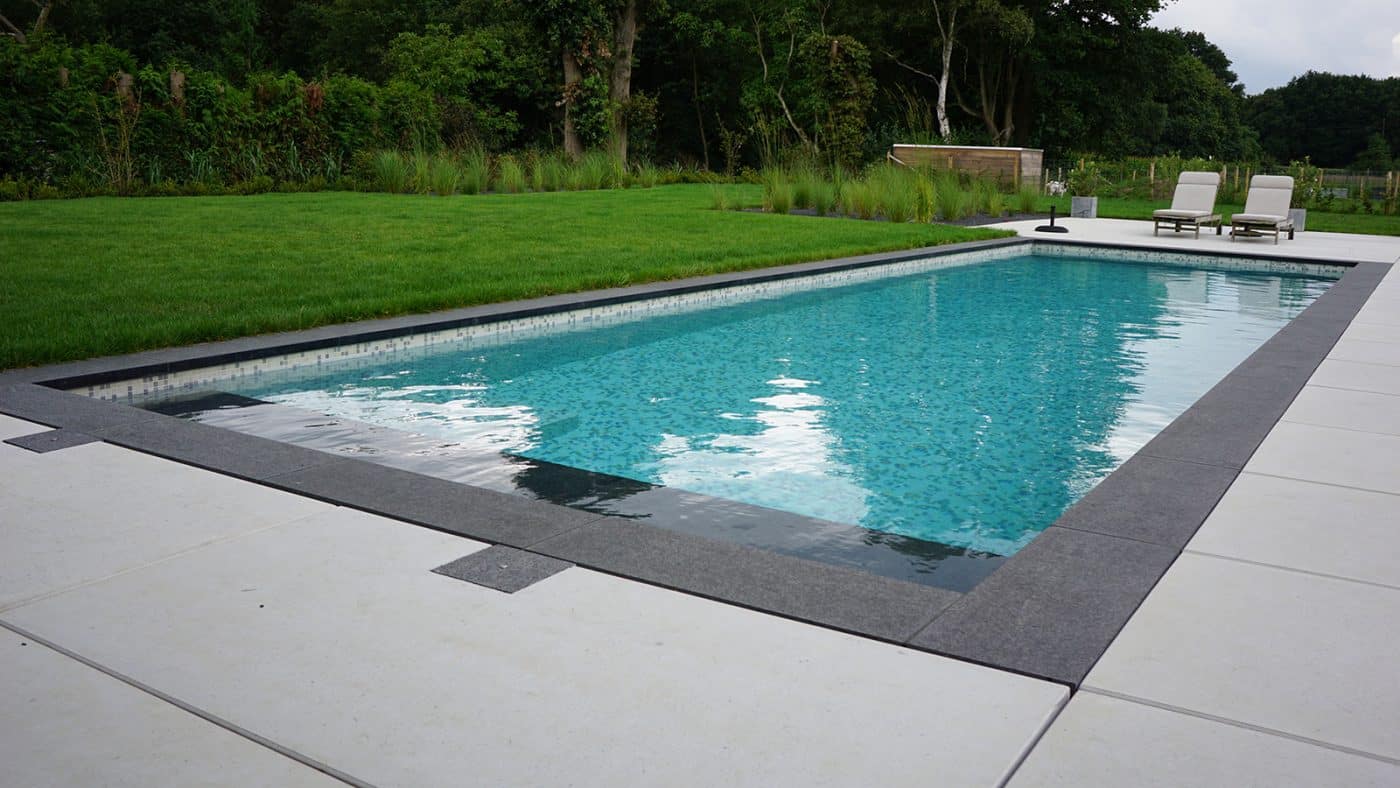
Saltwater pool tiles come in a variety of materials that offer unique benefits and drawbacks. This section examines popular tile materials and design trends for saltwater pools to help guide your selection. Different materials respond differently to saltwater, affecting durability and appearance. By exploring these options, you’ll understand which work best to complement your pool’s style and maintain performance over time. The focus is on practical usage and long-term advantages.
Comparing Glass, Porcelain, and Natural Stone for Saltwater Pools
Common materials used for salt resistant pool tiles include glass, porcelain, and natural stone with special sealants. Glass tiles are popular for their attractive sheen and corrosion resistance. Porcelain tiles are dense and less porous, offering excellent salt pool tile durability. Natural stone requires treatment to withstand salt but gives a classic appearance. Each material interacts with saltwater distinctly, influencing maintenance and longevity. Coatings and sealants enhance corrosion resistant pool tiles even further, preventing salt penetration.
When deciding on the design, consider the environment where your pool is located. For example, Vancouver’s climate influences material behavior due to temperature and humidity variations. Designs often include mosaic patterns or solid colors with anti-slip surfaces to ensure safety and elegance. Saltwater pool tiles can also be chosen to blend seamlessly with the outdoor surroundings, creating a cohesive installation. This selection impacts visual appeal and functional performance throughout the year.
As an example, tiles for saltwater pools in Vancouver frequently incorporate blue and green hues that reflect the local water and forest tones. The combination of durable materials with appealing designs ensures homeowners achieve both style and strength. These choices support lasting pool beauty and reduce the need for frequent maintenance. With such knowledge, you can effectively match tile options to specific preferences and environmental factors.
Understanding materials and design fosters confident decisions in saltwater pool tile selection. Next, we will discuss installation considerations essential for maximizing tile lifespan and performance in saltwater pools.
Installation Considerations for Saltwater Pool Tiles
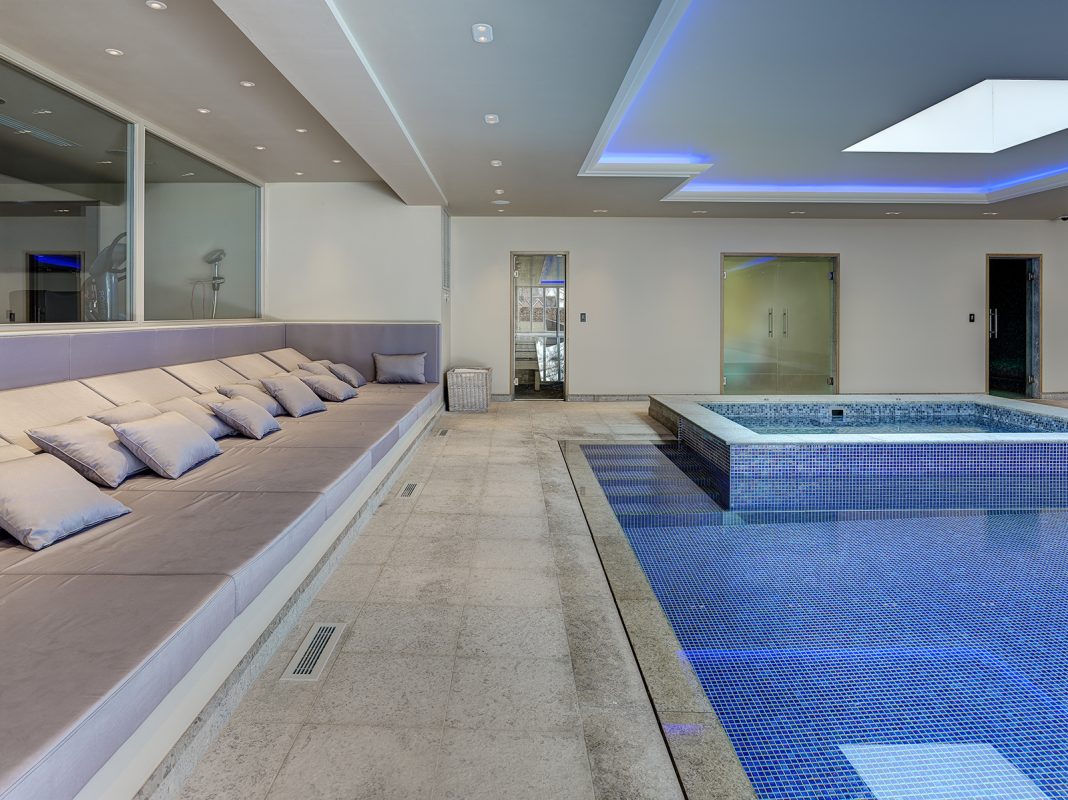
Proper installation is vital to enhance the durability of saltwater pool tiles and prevent early failure. This section outlines key factors involved when tiling saltwater pools, focusing on techniques and materials that promote longevity. Accurate installation methods help achieve corrosion resistant pool tiles performance and maintain salt pool tile durability. Knowing what to expect during installation prepares pool owners and contractors for a successful project. The upcoming details serve to emphasize the importance of quality workmanship.
Saltwater pool tiles require specific adhesives and grout that withstand salt exposure. Standard materials lack the resistance necessary for long-term durability. Using epoxy grout or specialized cementitious adhesives prevents degradation from the saltwater, extending tile life. The preparation of the pool surface also matters; it must be clean, smooth, and stable before tile application. Professional installers may follow guidelines specifically addressing saltwater environments to ensure optimal results.
Installation also involves design considerations to accommodate pool expansion and contraction due to temperature changes in Vancouver’s varying climate. Properly spaced joints filled with suitable grout prevent tiles from cracking or lifting. Salt resistant pool tiles are further protected by waterproof membranes beneath the layer. These additional steps create a barrier against salt penetration, reinforcing corrosion resistance. Such thorough installation practices uphold the structural integrity of the pool tile system.
For example, many in the Vancouver area choose service providers familiar with local conditions and saltwater pool specifics. These professionals use proven methods to install tiles for saltwater pools, ensuring compliance with best practices. Homeowners benefit from reduced maintenance costs and better visual upkeep. Installation precision directly impacts the pool’s enjoyment and longevity, making this phase crucial to success.
Having explored installation strategies, we move on to discuss maintenance techniques for sustaining saltwater pool tiles over time in Vancouver’s environment.
Maintenance Strategies for Saltwater Pool Tiles
Maintaining saltwater pool tiles is essential for preserving their appearance and functionality. This section offers practical tips on how to care for salt resistant pool tiles effectively. Regular upkeep prevents issues linked to salt corrosion and helps retain salt pool tile durability. Understanding proper cleaning and maintenance routines enables pool owners to maximize their investment and avoid premature repairs. The content here supports proactive pool management.
Routine cleaning with non-abrasive agents prevents salt residue buildup that can dull tile surfaces. Using soft brushes or cloths reduces the risk of scratching corrosion resistant pool tiles. It is important to avoid harsh chemicals that might damage the tile glaze or grout. Periodic inspections help identify grout or tile damage early, allowing timely repairs. Maintaining balanced pool water chemistry also minimizes salt’s corrosive impact.
Maintenance routines include flushing the pool plumbing and ensuring filtration systems function optimally to reduce contaminants. A combination of physical cleaning and chemical balancing sustains tile integrity. Homeowners in Vancouver benefit from developing a seasonal maintenance schedule acknowledging regional factors like temperature shifts and precipitation. This tailored approach helps maintain tiles in excellent condition despite environmental challenges.
For instance, Vancouver saltwater pool owners often clean tiles more frequently during autumn due to increased debris. Applying sealants periodically further protects tiles from salt exposure. With consistent care, the long-term durability of salts resistant tiles is enhanced, reducing the need for costly replacements. Good maintenance complements proper installation and material choice.
With maintenance covered, the next section reviews purchasing advice and how to select the best saltwater pool tiles for your specific needs.
Buying Tips for Saltwater Pool Tiles in Vancouver
Selecting the right saltwater pool tiles involves balancing aesthetics, durability, and budget. This final section provides actionable advice for purchasing tiles that meet these criteria. Vancouver pool owners will find these tips valuable for choosing tiles suitable for their local climate and saltwater usage. Understanding the key purchasing factors ensures satisfaction with your investment. We aim to simplify the decision process for buyers and installers.
When shopping for salt resistant pool tiles, consider the tile’s material and finish carefully. Check for certifications or manufacturer claims about salt pool tile durability and corrosion resistance. Comparing product warranties and manufacturer reputation helps gauge expected performance. Price is important but should not override quality, especially when durability and safety are concerned. Select suppliers who provide detailed information and support for saltwater pool applications.
A useful approach is to review sample tiles in person or request samples for your pool’s lighting and color scheme. In Vancouver’s market, demand for corrosion resistant pool tiles has increased, leading to more options with local expertise available. Also, verify compatibility of tiles with adhesives and grouts recommended for saltwater environments to avoid future issues. This holistic evaluation aids in making a practical, informed purchase decision.
- Check product specifications for salt and corrosion resistance.
- Seek advice from local installers experienced with saltwater pools.
- Request samples to see tile appearance in your pool’s setting.
- Confirm warranty coverage for saltwater use cases.
- Compare prices alongside durability ratings and reviews.
- Verify compatibility with installation materials and methods.
Following these guidelines ensures that your saltwater pool tiles will provide lasting beauty and performance. For detailed installation information, visit this external resource. Proper buying decisions lead to long-term satisfaction in maintaining your Vancouver saltwater pool’s tile surfaces.
