

Epoxy Grout & Installation
Is Epoxy Grout Really Waterproof? Here’s the Truth

Mar
Understanding Epoxy Grout Waterproof Qualities
When considering materials for tiling projects, especially in areas exposed to water, the question “is epoxy grout waterproof” often arises. This guide will address its water resistance and sealing properties to provide clarity. Understanding these features helps in making an informed choice for durable and moisture-proof tiling. The discussion will include practical applications and benefits related to using epoxy grout in Vancouver settings. In addition, we will highlight factors influencing its performance and longevity in wet environments.
Epoxy grout waterproof properties refer to its ability to resist water penetration and maintain structural integrity in moist conditions. Unlike traditional cement grout, epoxy grout consists of epoxy resins and a hardener, which chemically bond to create a dense and impermeable surface. This composition allows for superior resistance to water and moisture, reducing the risk of mold growth and stains. Its impervious nature ensures that water does not seep through, thereby providing lasting protection in wet areas.
The waterproof grout epoxy variation stands out in comparison to other grout types due to its fast curing time and chemical resistance. Additionally, epoxy grout’s moisture proof characteristic makes it ideal for areas subjected to constant water exposure such as pools and bathrooms. For example, commercial pools in the Vancouver region benefit from epoxy grout water resistance because it withstands chlorine and other chemicals. This quality enhances the durability of tiled surfaces by preventing grout deterioration over time.
An example application includes installing epoxy grout in pool tile joints which requires robust protection against water infiltration. Its sealing effectiveness protects the underlying surface and adhesives, promoting maintenance ease and visual appeal. The sealing process ensures a tight bond, preventing water from penetrating beneath the tiles. This makes it an excellent choice for residential and commercial projects facing harsh weather or water immersion in British Columbia.
Conclusively, knowing that epoxy grout is waterproof aids in selecting the right material for moisture-prone environments. This knowledge is crucial for ensuring long-term performance and minimal repair costs. Next, we will explore how to properly seal epoxy grout to reinforce its water resistance and maintain its pristine condition over time.
Effective Epoxy Grout Sealing Techniques

Sealing epoxy grout is key to maximizing its waterproof properties, offering an additional layer of protection. This section will cover the importance and methods of epoxy grout sealing to enhance durability and moisture proof capabilities. Proper sealing techniques help maintain the integrity of the grout and tile installation. Understanding these processes is essential for achieving sustained resistance against water in Vancouver’s climate. We will also discuss maintenance considerations to prolong the benefits of sealed grout.
Epoxy grout sealing involves applying a specialized sealant that fills micro-pores and prevents moisture from penetrating the grout surface. Contrary to some misconceptions, even this type of grout benefits from sealing to enhance chemical and stain resistance. The sealant acts as a barrier against contaminants and water, reinforcing the epoxy’s natural water resistance. This additional protection is particularly valuable in high-use or underwater environments where grout encounters constant exposure to moisture and cleaning chemicals.
Comparatively, sealed epoxy grout outperforms unsealed versions in terms of stain resistance and ease of cleaning. In Vancouver, where humidity and rain are common, sealed grout helps maintain tiled surfaces’ appearance and hygiene. For instance, in a pool setting, sealed epoxy grout withstands chlorine and prevents algae growth effectively. This makes the investment in sealing worthwhile for both home and commercial applications, ensuring longevity and aesthetic appeal.
Examples of sealants include penetrating or topical types, with each offering distinct benefits based on application site and exposure level. Selecting the right sealant depends on the grout type and environmental conditions. Homeowners and professionals alike use sealants to reinforce the waterproof barrier, minimizing maintenance hassles. When done correctly, sealing preserves the grout’s structure and color, even under frequent water contact.
In summary, epoxy grout sealing is an essential step for enhancing water resistance and extending the lifespan of tiled installations. Understanding this procedure equips users with the knowledge to protect their investment effectively. Next, we will examine the actual moisture proof capabilities of epoxy grout in practical scenarios to confirm its reliability.
Evaluating Epoxy Grout Water Resistance in Real Use
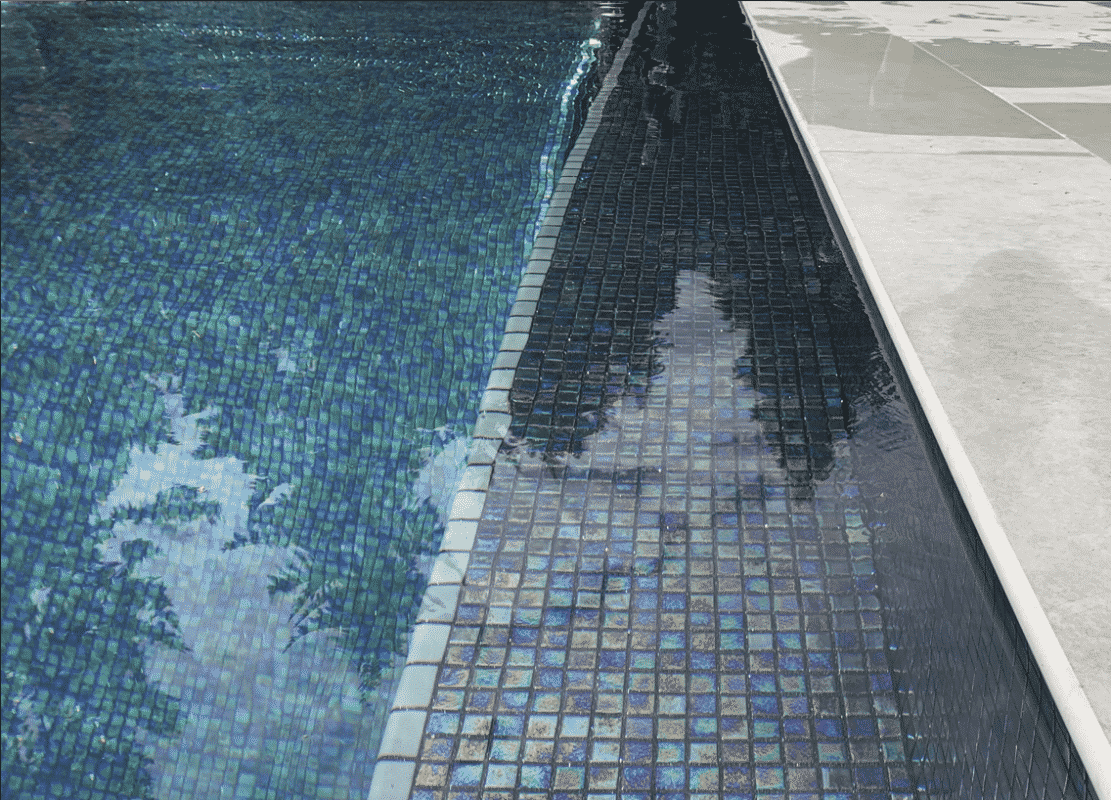
Assessing the grout’s water resistance under real conditions provides valuable insights into its performance and durability. This section will discuss how epoxy grout behaves when exposed to varying moisture levels and constant water contact. Testing and observations in Vancouver’s wet climate reveal its true resistance capabilities. Understanding real-world function assists in choosing the ideal grout for pool tiles, bathrooms, and outdoor areas. We’ll also highlight important factors that affect moisture proof performance.
Water resistance is evidenced by its ability to block water absorption and prevent damage over extended periods. Unlike cementitious grout, epoxy’s non-porous surface limits water passage, thus avoiding swelling or cracking. Its chemical composition allows it to resist not only water but also fuels, solvents, and acids. This robust resistance makes it suitable for installations in high-humidity environments and submerged conditions, ensuring that moisture does not compromise tile adhesion or grout integrity.
Further, its moisture proof nature reduces the chance of mold and mildew development, typically a concern in damp locations. In Vancouver, where outdoor tiles face frequent rainfall, this grout’s water resistance is a significant advantage for homeowners seeking long-lasting solutions. Compared to traditional grout options, it offers superior protection, making it the preferred choice for pool decks and showers. This durability can translate to lower maintenance and repair costs.
For example, a pool renovation project in Vancouver showed that its water resistance contributed to vibrant tile colors and strong joints after months of exposure. This practical demonstration confirms its suitability for aquatic environments. Users reported fewer issues related to water damage and staining, supporting the claim that epoxy grout is truly waterproof. Such evidence reinforces confidence in using this material for moisture-challenging projects.
To conclude, real use evaluation confirms that its waterproof capabilities meet high standards, especially in moist climates like Vancouver. Understanding these benefits leads us to further explore installation best practices to optimize the grout’s performance in applications requiring water resistance.
Best Practices for Installing Epoxy Grout Waterproof Surfaces
Proper installation is crucial to harnessing the full waterproof potential of epoxy grout. This section outlines key steps and practices to ensure optimal results for these projects. Following these guidelines enhances durability and moisture proof performance. Installation techniques significantly influence how well the grout withstands water and environmental stressors. Emphasis on precision and care is vital to support successful outcomes in Vancouver and similar regions.
Installing starts with thorough surface preparation including cleaning and drying the tile joints. Mixing components precisely is essential to achieve the correct chemical reaction for a durable bond. Applying the grout evenly with attention to filling joints completely prevents water infiltration points. Tools should be cleaned frequently during application to avoid curing interference. These detailed procedures support the grout’s ability to act as an effective waterproof barrier.
Comparing amateur and professional installations reveals noticeable differences in sealing and water resistance. Experts ensure the grout penetrates all gaps without air pockets or voids that could allow water seepage. Curing times are strictly followed to maximize water resistance and overall strength. Homeowners in Vancouver who engage skilled installers benefit from reduced maintenance issues and prolonged aesthetic appeal. Proper installation is an investment in reliability and efficiency.
For example, the epoxy grout for pool tiles installation guide recommends specific environment controls and techniques to optimize performance. This helps clients understand how to maintain waterproof grout surfaces effectively. Following such detailed instructions is especially important in moisture-rich locales to prevent water damage. These best practices ensure the grout continues to serve as a dependable waterproof solution.
In summary, adopting correct installation practices directly contributes to waterproof benefits. Addressing these details ensures resilient and functional tiled surfaces. The next section will address maintenance strategies to preserve waterproof qualities over time.
Maintaining Epoxy Grout for Long-Term Water Resistance
Maintaining water resistance is essential for retaining the grout’s waterproof qualities over years of use. This section highlights practical tips and routines for prolonging moisture proof performance. Regular upkeep prevents deterioration and water damage, supporting the longevity of tiled surfaces. In Vancouver’s climate, proactive maintenance guards against weather and moisture-related challenges. This ensures that sealing and water resistance remain effective throughout the life of the installation.
Maintenance involves periodic cleaning with mild detergents that do not degrade sealing. Avoiding harsh chemicals preserves the integrity of the grout’s waterproof surface. Routine inspections help identify cracks or wear early, allowing timely repairs to prevent water infiltration. Proper care extends water resistance and maintains appearance. These efforts reduce the likelihood of costly restorations and ensure optimal hygiene in wet or humid areas.
Maintenance also includes avoiding abrasive scrubbing tools that could damage the epoxy surface, undermining grout benefits. Instead, soft brushes or cloths are recommended to gently clean grout lines. Additionally, resealing might be necessary in high-traffic or aquatic environments to reinforce protection. Vancouver’s residents appreciate how these straightforward measures keep their pool and bathroom tiles looking new and functioning effectively.
For instance, following a maintenance schedule helps homeowners sustain the waterproof promises. Consistent care ensures that water resistance persists despite exposure to wet conditions. This practical approach bolsters confidence in the durability and moisture proof nature of epoxy grout. Such maintenance routines are critical in preserving the excellent performance of installations.
In conclusion, regular and careful maintenance extends waterproof advantages and maintains tile installation quality. Understanding these upkeep requirements supports informed decisions about epoxy grout use. For more tips, visit this guide on epoxy grout for pool tiles to learn how to keep grout surfaces sealed and moisture proof effectively.
- Clean regularly with gentle, pH-neutral cleaners to avoid damage.
- Inspect grout joints periodically for cracks or signs of wear.
- Avoid abrasive brushes that can degrade sealing.
- Apply resealing treatments as recommended for high-moisture areas.
- Prevent prolonged water exposure by addressing leaks promptly.
- Follow professional advice for cleaning and maintaining tiled surfaces.
