

Installation Efficiency & Labor, Maintenance, Cleaning & Longevity
Glass Mosaic Tile Specifications Guide

Feb
Understanding Glass Mosaic Specs in Pool Construction
For pool builders in Toronto, grasping glass mosaic specs is vital to ensure high-quality finishes. These specifications dictate the tile’s durability and visual appeal. Understanding these details offers builders the knowledge to select the best materials for pools. Proper glass mosaic specs help avoid frequent repairs and extend pool aesthetics. This foundation sets the stage for informed decision-making on pool projects.
Glass mosaic specs define the size, thickness, and material composition of glass tiles used in pools. These specs are crucial for physical and chemical resilience. They include details like color fastness, slip resistance, and thermal expansion rates. Such parameters ensure the tiles perform well under water exposure and chemical treatments. Knowing these specifications prevents material failures over time.
Evaluating glass mosaic tile specifications involves comparing durability standards and installation requirements with the pool’s environment. For example, tiles must withstand Ontario’s seasonal temperature variations. Tiles used in pools include resistance to chlorine and salt, which is critical for pool longevity. Builders also consider grout compatibility aligning with mosaic tile specs for pools. Comparing these specs with industry benchmarks ensures quality installation.
For instance, a pool in Toronto exposed to freezing winters requires selection based on tested glass tile technical data. This data reveals thermal resistance and chemical stability under harsh conditions. Using tiles that meet pool mosaic standards guarantees performance and safety. This level of specification works hand in hand with pool design aesthetics. It translates to fewer maintenance issues during seasonal changes.
Thus, understanding glass mosaic specs in real-world contexts helps builders select suitable tiles and plan installation effectively. Such insights enable sustainable and attractive pool finishes, especially in regions like Toronto where climate impacts pool materials. The knowledge gained here naturally leads into the next topic on optimal glass tile installation methods and practices.
Essential Installation Practices for Glass Mosaic Tile Specs
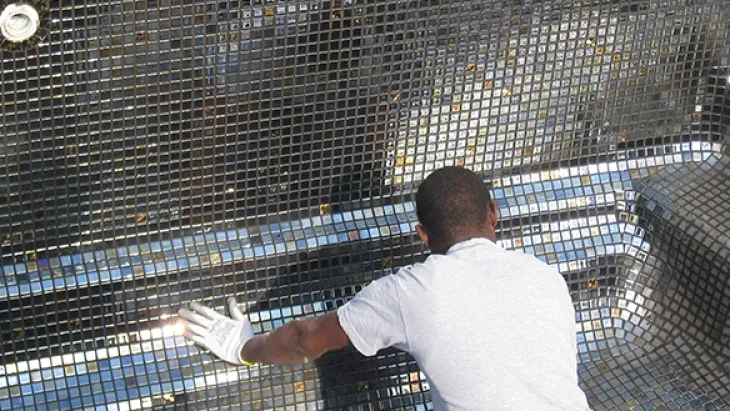
Adhering to correct installation methods is critical when working with glass mosaic specs in pool settings. This section promises a comprehensive guide to installation best practices that ensure tile longevity. Installation impacts how well glass mosaic tile specifications translate to real-world durability. Poor techniques often negate the benefits of using quality materials. Therefore, the process from substrate preparation to grouting demands attention.
Proper substrate preparation involves cleaning and leveling the pool surface to match glass pool tile specs precisely. The choice of thin-set mortar must align with chemical resistance requirements, ensuring firm adhesion. Specific application methods like back buttering tiles maximize bonding strength. Additionally, consistent grout lines benefit from accurate mosaic tile specs for pools concerning size and spacing. Such preparation upholds pool mosaic standards for durability.
For expanding on proper grouting, workers must select chemical-resistant grout compatible with glass tile technical data. This grout resists degradation caused by pool chemicals, as detailed in external resources explaining chemical resistance in tile selection. The grout’s flexibility accommodates thermal changes without cracking. These measures extend tile life significantly beyond basic installation. It exemplifies integrating specs into practical application.
An application example is installing glass mosaic tiles in a Toronto pool using industry-approved mortars and grout following the proper specs. Continued adherence to technical guides prevents common issues like tile lifting or discoloration. Proper sealing further protects tiles and grout from water ingress. The outcome is a seamless, robust tile finish that withstands environmental and chemical stresses common in Ontario pools.
Ultimately, understanding and implementing installation steps closely tied to these guidelines is non-negotiable for pool builders targeting quality outcomes. This focus naturally transitions into exploring long-term maintenance aligned with these tile specifications.
Maintenance Tips Aligned with Glass Mosaic Tile Specifications
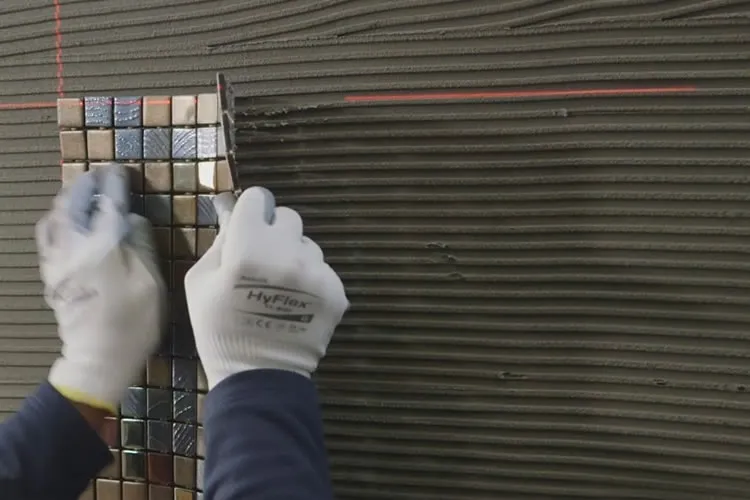
Maintaining pools with glass mosaic specs requires tailored strategies to preserve the tiles’ appearance and function. This segment ensures readers gain effective maintenance knowledge tied to tile specifications. Maintenance practices must account for the technical properties of glass mosaic tiles to prevent damage. Ignoring these specs during cleaning or repairs leads to premature wear or discoloration. Preventive care is thus essential for durability.
Maintenance includes regular cleaning with non-abrasive tools that complement glass mosaic tile specifications. Harsh chemicals or rough scrubbers can degrade the glass surface or grout. Using pool-safe cleaning agents maintains chemical balance and protects tile glaze. Additionally, inspecting tile edges and grout lines for cracks helps address issues early. Water pH and sanitizer levels must be monitored to align with pool mosaic standards preventing chemical damage.
Expanding on cleaning methods, pool owners should follow recommended schedules and techniques based on glass tile technical data and local water conditions in Toronto. For example, mineral buildup or algae require gentle treatment compatible with pool tile specs. This precision in maintenance prolongs tile lifespan. Regular professional inspections contribute to early detection of potential problems. These practices uphold the tile’s structural and aesthetic integrity.
For illustrative purposes, a Toronto pool owner following detailed pool mosaic standards for maintenance experiences fewer tile repairs. They use advice from internal resources on glass mosaic tile advantages and external guides on chemical resistance importance. This combination fosters a proactive maintenance regimen. It highlights how knowledge of specifications directly informs care routines and protects investment.
In conclusion, maintenance grounded in understanding glass mosaic specs delivers sustained performance. Pool builders and owners benefit greatly from incorporating these practices, leading naturally into the next discussion about selecting the right tiles based on these specifications.
Selecting Glass Mosaic Tiles Using Established Specs
Choosing appropriate glass mosaic tiles hinges on interpreting the specs accurately. This section promises a detailed approach for pool builders to make informed selections. The selection process involves analyzing glass mosaic specs data and matching it with project criteria. Builders must consider factors like size compatibility, durability, and chemical resistance. These decisions shape the pool’s final look and function.
Glass mosaic tile specifications include measurements such as thickness, texture, and colorfastness that influence tile behavior in pools. Additional standards address slip resistance and freeze-thaw durability applicable in climates like Ontario’s. Using these specs helps builders avoid costly mistakes resulting from picking unsuitable tiles. They also ensure compliance with industry pool mosaic standards regulating quality and safety.
An expansion on this idea reveals the necessity to cross-check specifications against local environmental needs in Toronto. For instance, tiles designed to resist chemical erosion better cope with frequent chlorine exposure. This alignment between specs and environment ensures longer-lasting installations. Additionally, builders can review supplier data sheets for glass tile technical data to validate claims before procurement.
An example of selection influenced by specs is opting for glass pool tile specs that emphasize UV resistance, minimizing color fading in outdoor pools. The choice supports aesthetic goals without sacrificing durability. Pool builders leverage internal expertise on glass mosaic tile advantages alongside external resources on chemical resistance. This informed approach balances beauty and practicality effectively.
The takeaway is that careful tile selection based on correct interpretation of glass mosaic tile specifications is foundational for successful pool projects. This insight naturally prepares readers for understanding how these specs impact cost and budgeting decisions in pool construction.
Cost Implications and Budgeting for Glass Mosaic Specs
Managing costs while honoring glass mosaic specs is a critical concern for pool builders in Toronto. This section outlines budgeting considerations related to tile specifications. Cost varies depending on material quality, tile size, and installation complexity dictated by glass mosaic specs. Balancing budget with specifications ensures project feasibility and long-term value.
Glass mosaic tile technical data often affects price due to manufacturing precision required for specific pool mosaic standards. Higher quality tiles with superior chemical resistance and durability typically command premium prices. Installation costs also rise with adherence to strict glass pool tile specs as it demands skilled labor and quality materials. Understanding these cost drivers enables realistic budget planning.
Further elaboration shows that ignoring these specs to cut expenses risks future repairs and replacements, which inflate total costs. On the other hand, considering specs early in the budgeting process helps allocate funds wisely. Builders and clients in Ontario, where climate challenges may increase wear, must factor in these elements. Transparent cost analysis prevents surprises during construction phases.
For example, a Toronto pool project that invests upfront in tiles meeting rigorous glass mosaic specs avoids costly maintenance and tile failure later. This investment reflects in higher initial cost but improved lifecycle cost-efficiency. Resources like internal explanations on tile advantages and external insights on chemical resistance guide such financial decisions. This approach highlights long-term savings through strategic budgeting.
Ultimately, integrating glass mosaic specs into budgeting discussions supports practical financial planning and ensures quality outcomes. This comprehensive understanding links back to the importance of these specs outlined throughout the post.
