


Aug
Why Fixing Loose Pool Tiles Is Important
Fixing loose pool tiles is essential for maintaining both the visual appeal and structural integrity of your swimming pool. Loose tiles not only make a pool look unkempt but can also pose safety hazards for swimmers. If the problem is ignored, it may lead to water infiltration, further tile detachment, and costly structural repairs.
Understanding why pool tiles become loose and how to repair them properly ensures that your pool remains safe, beautiful, and functional for years. Whether you are dealing with cracked tiles, weakened grout, or adhesive failure, taking the right approach will prevent recurring problems.
Common Causes of Loose Pool Tiles

1. Poor Adhesion – The Leading Cause of Loose Pool Tiles
One of the most frequent reasons for loose pool tiles is poor adhesion during installation. When tiles are not correctly bonded to the surface, they become more susceptible to detachment over time.
Signs of Poor Adhesion:
- Hollow-sounding tiles when tapped.
- Gaps or cracks in grout lines.
- Tiles shifting or moving when pressure is applied.
How to Fix It:
- Remove the affected tiles and clean the surface thoroughly.
- Use waterproof tile adhesive designed for pool environments.
- Ensure even coverage of adhesive and allow proper curing time before refilling the pool.
2. Imbalanced Pool Chemicals and Their Effect on Tile Adhesion

Pool tile repair often becomes necessary due to chemical imbalances in the water. Excess chlorine, fluctuating pH levels, and high calcium hardness can weaken grout and adhesive, causing tiles to loosen.
Signs of Chemical Damage:
- White or chalky calcium deposits forming on tiles.
- Grout deteriorating or turning brittle.
- Pool water feeling overly harsh on the skin.
How to Prevent It:
- Maintain pH levels between 7.2 and 7.6 to protect grout and adhesives.
- Use scale prevention treatments to reduce calcium buildup.
- Regularly clean and inspect tiles to catch early signs of deterioration.
3. Temperature Changes and Structural Shifting
Pools naturally expand and contract due to temperature fluctuations, which can stress tile bonds. Additionally, minor ground movements can lead to cracking and shifting of pool tiles over time.
Signs of Structural Shifts:
- Widening cracks around the tile line.
- Multiple tiles loosening after seasonal temperature changes.
- Uneven tile placement due to shifting ground.
How to Minimize Movement Damage:
- Install expansion joints to absorb structural shifts.
- Use flexible grout and high-quality adhesive to withstand temperature fluctuations.
- Inspect the pool deck and surrounding area for potential movement issues.
4. Physical Damage and Improper Cleaning Techniques
Excessive wear and tear from pool use, cleaning tools, or pool maintenance equipment can also cause pool tile detachment.
Common Causes of Physical Damage:
- High-pressure washers directed at tiles.
- Hard-bristle brushes scraping grout and tile edges.
- Impact from pool toys, ladders, or swimmers.
How to Avoid Damage:
- Use soft-bristle brushes and mild cleaning agents.
- Keep high-pressure washers at a safe distance from tiles.
- Regularly inspect tiles for chips and cracks to address minor damage before it worsens.
How to Fix Loose Pool Tiles Properly
Step 1: Lower the Water Level Below the Affected Tiles
Reducing the water level ensures a dry surface for reattaching the tiles.
Step 2: Remove Loose or Damaged Tiles
Use a putty knife or chisel to carefully detach any tiles that are no longer secure. Clear away old adhesive and grout completely.
Step 3: Clean and Prepare the Surface
Scrub the area with a wire brush to remove any residue. Allow it to dry before applying new adhesive.
Step 4: Apply Pool-Specific Tile Adhesive
Choose a waterproof adhesive that is resistant to chlorine and other pool chemicals. Apply a thin, even layer before placing the tiles back into position.
Step 5: Reapply Grout and Seal the Area
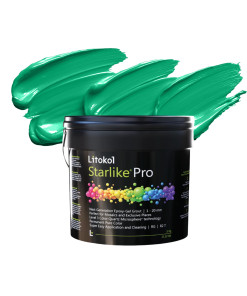
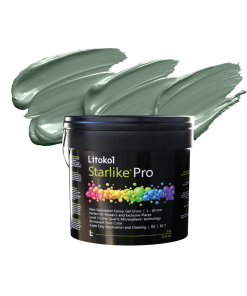
Once the adhesive has set, use epoxy grout to fill in the joints. Epoxy grout is more durable and resistant to water exposure than traditional grout.






Step 6: Allow the Repair to Cure Before Refilling the Pool
Wait at least 48 hours before refilling the pool to ensure the adhesive and grout have fully cured.
Preventing Loose Pool Tiles in the Future
1. Use High-Quality Adhesive and Grout for Better Durability
Opt for pool-rated adhesives and grout that withstand prolonged water exposure and prevent future detachment.
2. Regularly Monitor Pool Water Chemistry
Keeping water chemistry balanced reduces grout erosion and adhesive deterioration.
3. Avoid Harsh Cleaning Methods That Weaken Tiles
Gentle cleaning techniques preserve tile adhesion and prevent unnecessary wear on grout.
4. Inspect and Repair Small Issues Early
Addressing minor cracks or loose tiles promptly can prevent widespread tile detachment.
5. Invest in Long-Lasting, Durable Pool Tiles
High-quality, UV-resistant, and water-resistant tiles last longer and are less likely to come loose.
Final Thoughts – Ensuring Long-Term Tile Stability
Fixing loose pool tiles is not just about maintaining the aesthetic appeal of your swimming pool—it is also crucial for preventing structural damage and ensuring a safe swimming environment. Loose tiles can create sharp edges, posing a risk of injury to swimmers. Additionally, when left unaddressed, they can lead to water infiltration, weakening the pool shell and causing more significant repairs in the future.
Addressing the issue as soon as it arises can prevent further tile detachment, reduce long-term repair costs, and protect the integrity of your pool. Whether the cause is poor adhesion, chemical imbalances, or physical damage, taking early action will ensure that your pool remains in excellent condition for years.
Regular maintenance is key to keeping pool tiles secure. By monitoring water chemistry, using high-quality adhesives and grout, and performing routine inspections, you can extend the lifespan of your pool tiles. A well-maintained pool not only enhances your backyard’s appearance but also increases your property’s value.
If you are considering replacing your pool tiles or need expert advice on tile maintenance, installation, or repairs, explore our selection of high-quality, water-resistant tiles designed for long-term durability. Our range includes stunning glass, porcelain, and mosaic pool tiles that provide both beauty and functionality.
Don’t wait until minor tile issues become costly problems. Contact us today to find the perfect tile solution for your pool and enjoy a secure, stylish, and long-lasting swimming experience!
