

Pool Tile Selection & Comparison
How to Choose Pool Tiles Based on Water Color
Jul
Understanding How to Choose Pool Tiles Based on Water Color
Selecting the right pool tiles is essential for enhancing your pool’s aesthetic appeal. In this guide, you will discover how to choose pool tiles by considering the color of your pool water. The relationship between tile color and water hue significantly impacts the overall look of your pool. Understanding this connection helps you make an informed decision that complements your outdoor space. This knowledge ensures your pool remains visually appealing throughout the seasons.
To choose pool tiles effectively, it is important to understand how water color interacts with tile colors. Water color can vary due to several factors, including lighting, pool materials, and natural reflections. Pool tiles come in a variety of shades that can either accentuate or soften the pool’s water color. Knowing the role of water color in tile selection can help you find the perfect match for your pool design.
Expanding on this, pool tiles color guide principles emphasize choosing tiles that harmonize with water tones. For example, lighter tiles can brighten the pool’s appearance, while darker tiles add depth. Differences in tile textures also affect how colors are perceived. By focusing on these aspects, you refine the process and achieve a beautiful facial harmony between tiles and water.
An application example includes choosing soft blue or aqua tiles for pools with naturally clear water, which enhances the water’s vibrancy. Conversely, darker blue tiles can deepen the water’s visual richness for pools in shaded areas. Many homeowners in Burnaby have benefited from following these strategies to highlight their pools effectively. Such practical examples illustrate the importance of strategic pool tile ideas.
Ultimately, understanding the relation between tile colors and water hues is crucial when planning your pool design. It allows a seamless transition to detailed considerations like tile durability and maintenance. This foundational knowledge prepares you to explore more specialized aspects of pool tile selection in the next sections.
Key Factors in Pool Tile Selection for Water Color Matching
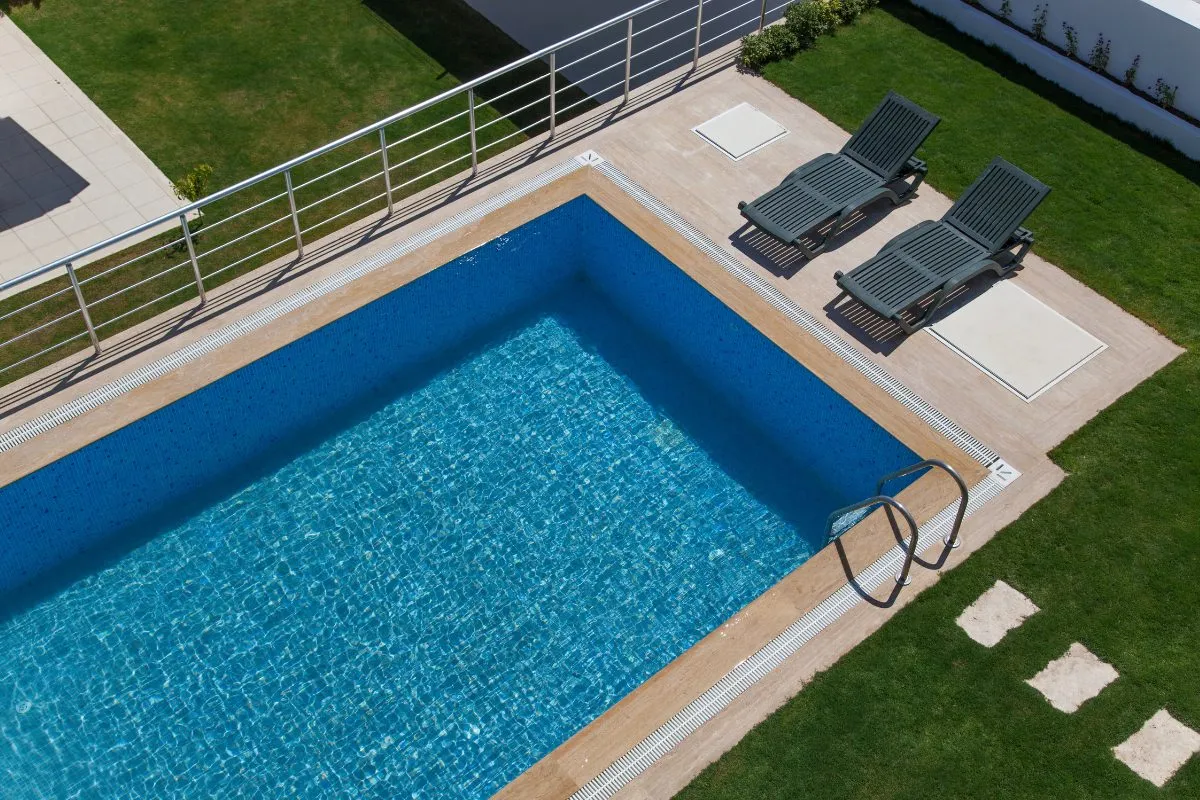
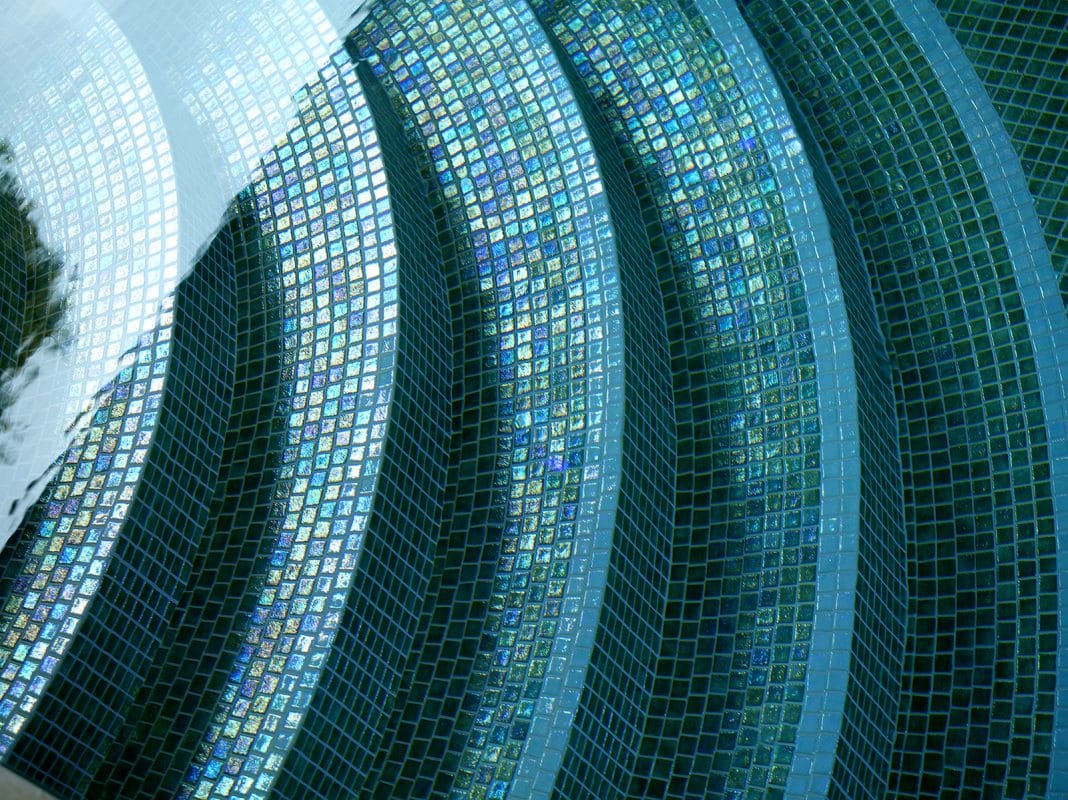

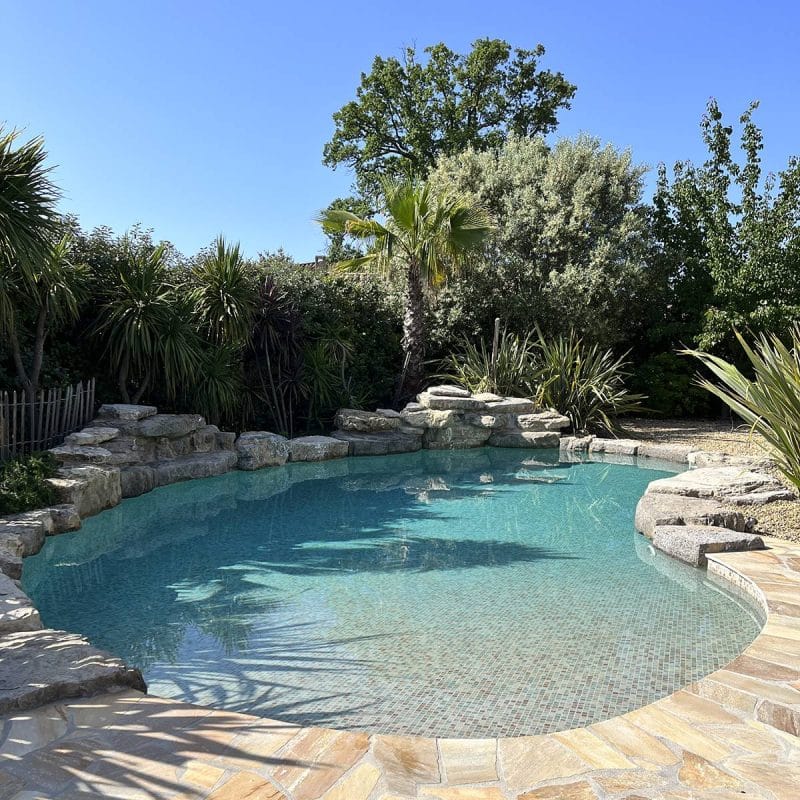

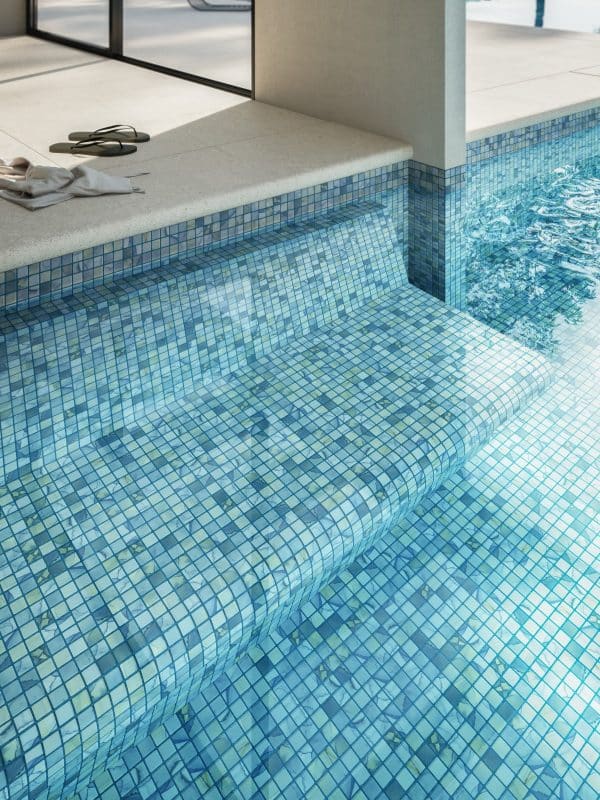
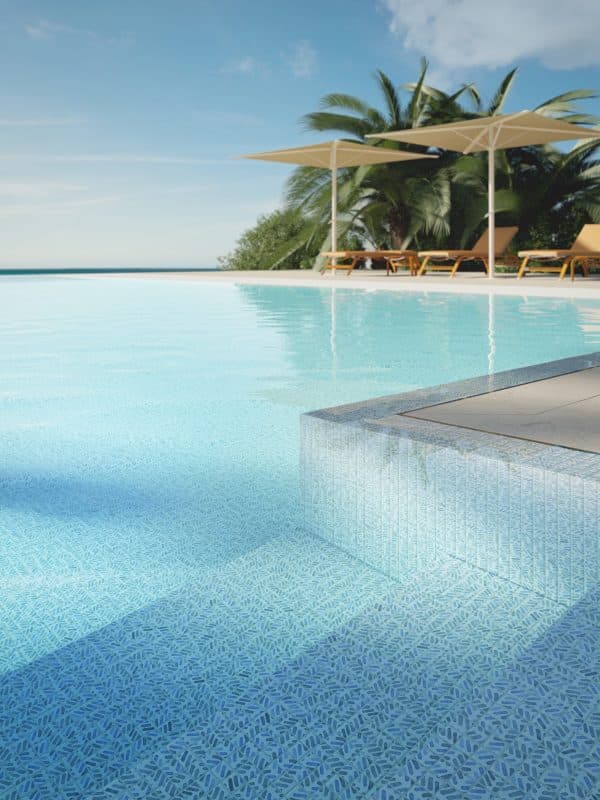
Choosing pool tiles involves evaluating several key factors that affect the water color perception. This section will detail these considerations to guide you in making confident decisions. We focus on color intensity, finish, and how tiles interact with water lighting. These elements affect the outcome of your pool’s aesthetics and longevity.
Color intensity describes how vibrant or muted a tile appears under water. Glossy finishes tend to reflect light, enhancing water brightness, while matte finishes soften reflections. Each choice impacts the pool’s mood and how water color is perceived. By analyzing these factors, you gain control over the visual harmony between your pool tiles and water.
Additionally, tile texture influences water interaction and the overall feel. Smooth tiles can accentuate clarity by producing more reflectivity; textured tiles provide contrast and interest. This aspect leads to diversified pool tile ideas, allowing uniqueness in design. Considering these factors enhances the best choice according to water color.
For example, pools in Burnaby often use glossy tiles to enhance natural sunlight, increasing water sparkle. In contrast, pools positioned in shaded areas benefit from matte finishes to reduce glare. These examples reveal how environmental conditions shape tile choice. Knowing these conditions ensures a matching tile that complements both water and location.
In summary, successful pool tile selection hinges on assessing color intensity, finish, and texture. These factors set the stage for choosing the perfect tile and link logically to the next topic on color combinations and design styles.
Color Combinations and Styles for Pool Tiles Based on Water Color
Exploring color combinations and styles is vital when you want to choose pool tiles that complement water color perfectly. This section breaks down popular stylistic options and how they influence the pool’s look. A good understanding of color matching principles can elevate your pool design significantly.
Designers use monochromatic, complementary, or contrasting palettes to create various visual effects. Monochromatic schemes use tiles close to the water color, creating a soothing, unified effect. Complementary colors on the tile opposite the water shade provide striking contrast, adding interest. Contrasting colors highlight pool features or borders, enhancing overall aesthetics.
Each style affects how water color appears to viewers. For example, blue water paired with blue-green tiles forms a cool, immersive environment. Alternately, beige or sandy-toned tiles can warm the pool’s look, even if water is naturally cooler. These ideas illustrate the diversity of pool tile ideas based on stylistic preferences and water color interaction.
A practical Burnaby example shows homeowners choosing light blue tiles for clear water pools to maximize brightness and tranquility. Conversely, some prefer darker tiles for shaded pools to add depth and richness. Using this internal link offers additional insights into color and tile interaction. Such choices provide inspiring direction for your pool’s custom look.
The takeaway here is that style and color combinations play a pivotal role in selection and water color presentation. They lay the groundwork for material choices and care, topics which will be covered in the following sections.
Material Choices for Best Pool Tiles Suited to Water Hues
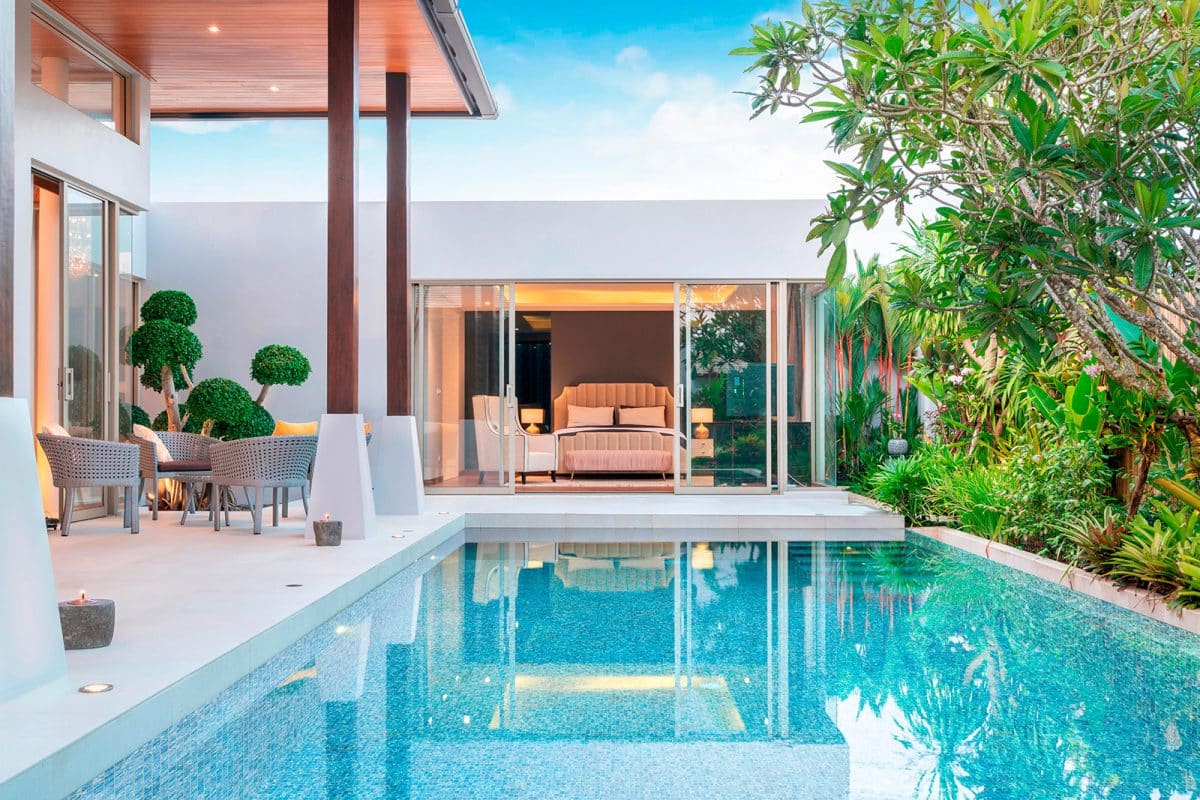
Material choice is the backbone of durability and appearance when you choose pool tiles. This section highlights common materials and their impact on water color aesthetics and pool longevity. Making the right choice leads to both practical and visual benefits for your pool area.
Popular materials include ceramic, glass, and natural stone tiles. Ceramic tiles offer variety and affordability, with good color retention in water. Glass tiles provide vibrant colors and reflectivity that enhance water brightness. Natural stone adds a unique texture and warmth but requires more maintenance. Understanding materials helps align tile choice with water color effects and functional demands.
Additionally, materials influence the pool environment. Glass tiles, for instance, reflect light and water movement, enriching the pool’s sparkle. Ceramic provides reliable cost-effective solutions maintaining color consistency. These distinctions allow for refined pool tile selection suitable for specific water hues and pool conditions.
In Burnaby climates, glass tiles are popular for indoor and outdoor pools due to their light-enhancing properties. Ceramic tiles remain favored for their versatility and broad color range. Examining this external link provides further examples of blue swimming pool tiles and their material benefits. Such informed choices ensure your pool tiles withstand local weather while harmonizing with your water color.
Summarizing, careful material selection boosts both aesthetic appeal and durability. It connects naturally to maintenance tips and optimal care strategies, which we will discuss next.
Maintaining and Caring for Pool Tiles to Preserve Water Color Appeal
Caring for your pool tiles is crucial for preserving both their appearance and the vibrancy of your pool water color. This section outlines practical maintenance advice to keep tiles looking fresh. Proper care ensures your investment remains attractive over time and water clarity is maintained.
Routine cleaning prevents buildup that can dull tile colors and obscure water beauty. Using pH-balanced cleaners protects tiles and water chemistry. Periodic inspections help identify issues like cracks or discoloration early. Maintenance extends the life of your tiles and maintains the intended water color effect.
Moreover, keeping the pool’s water chemistry balanced complements tile care. Algae growth or staining can affect water color and tile appearance if neglected. Regular water testing and treatment support tile vibrancy and overall pool health. These combined efforts form a cohesive pool care routine.
Burnaby pool owners often implement seasonal tile cleaning and water balancing to combat local environmental factors like rain and leaf debris. Following a checklist of cleaning and care steps enhances tile longevity and water clarity. Here is a simple checklist for effective maintenance:
- Clean tiles biweekly with non-abrasive tools to avoid scratching.
- Check and adjust pool water pH levels regularly.
- Inspect grout lines and repair if cracks appear.
- Remove algae promptly using approved treatments.
- Schedule professional tile deep cleaning annually.
- Cover the pool when not in use to reduce debris accumulation.
In conclusion, maintaining your pool tiles is integral to sustaining a beautiful water color. Proper upkeep guarantees that your tile and water combination remains vibrant and inviting season after season. The knowledge of how to pick pool tiles combined with thorough care principles offers a complete solution for pool aesthetics and functionality.
