

Maintenance, Cleaning & Longevity, Pool Tile Selection & Comparison
What Type of Tile Lasts the Longest in a Pool?
Jul
Understanding the Longest Lasting Pool Tile Options
Choosing the longest lasting pool tile is essential for pool owners looking to combine durability with aesthetic appeal. This article promises to explore the various types of pool tile that offer impressive longevity and resistance to wear. Recognizing the importance of durable pool tile will help you make a well-informed decision. A pool tile’s ability to withstand moisture, chemicals, and weather determines its lifespan. Particularly in Montreal, Quebec, where seasonal changes demand resilient materials, the right tile enhances both beauty and function.
The longest lasting pool tile primarily consists of materials engineered to endure decades of exposure to harsh pool environments. These tile types have superior resistance to surface damage and fading, ensuring sustained elegance. Ceramic, porcelain, natural stone, and glass tiles are popular categories, each offering distinct features. Porcelain pool tile is notably dense and impervious, which contributes to its superior pool tile longevity. These qualities make certain tiles standout in retaining their look and strength over time.
Expanding on these materials, porcelain tiles offer a combination of hardness and low porosity, which reduces water absorption and damage from chemicals. Glass tiles provide vibrant color retention and enhanced resistance to freezing and thawing cycles, a critical factor for Montreal pools. Natural stone tiles, while attractive, often require sealing to meet durability standards. These features highlight the importance of considering climate and pool maintenance routines when choosing the most durable options. A tile’s resilience shapes its long-term value significantly.
For example, in a Montreal residential pool, porcelain tiles have been observed to maintain their finish and structural integrity better than alternatives during harsh winters. Glass tiles add to aesthetic appeal without compromising on durability, especially in indoor pools. Conversely, improperly sealed natural stone tiles may show signs of wear faster. Selecting tiles that align with specific regional conditions supports both longevity and appearance. Hence, understanding these differences can maximize the performance of your tile choices.
Moving forward, we will analyze specific tile benefits related to longevity, highlighting why certain types are recommended for long-lasting pool installations. The goal is to equip you with practical knowledge to assess different tile types for pools effectively.
Key Characteristics of Durable Pool Tile
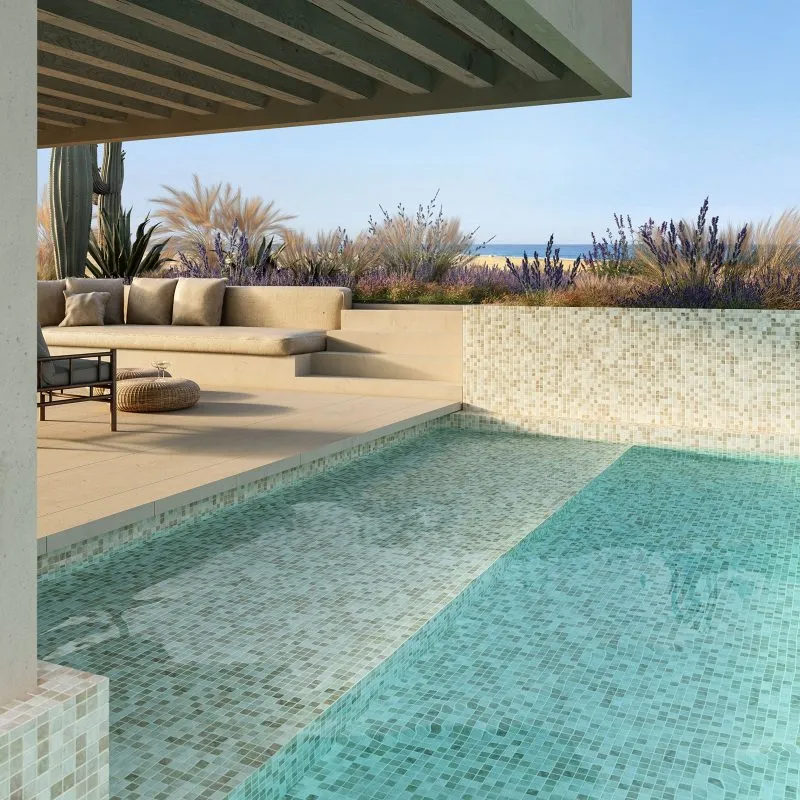
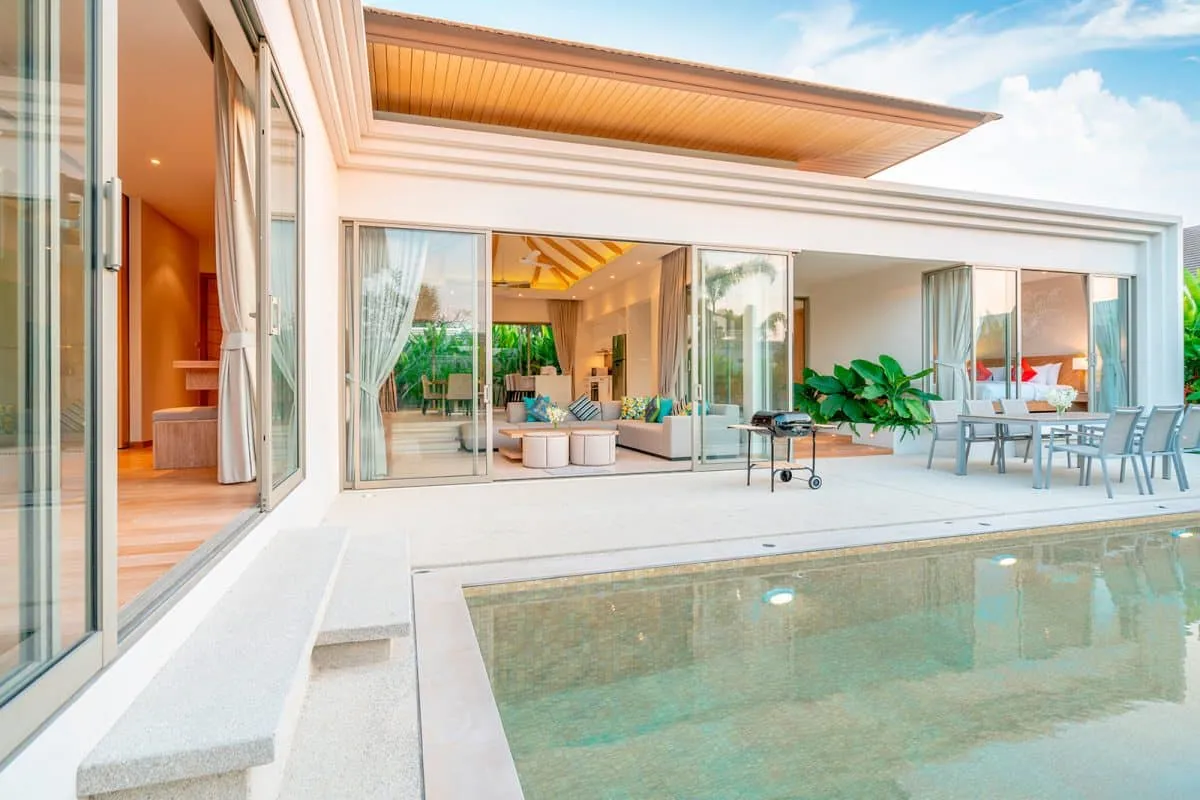
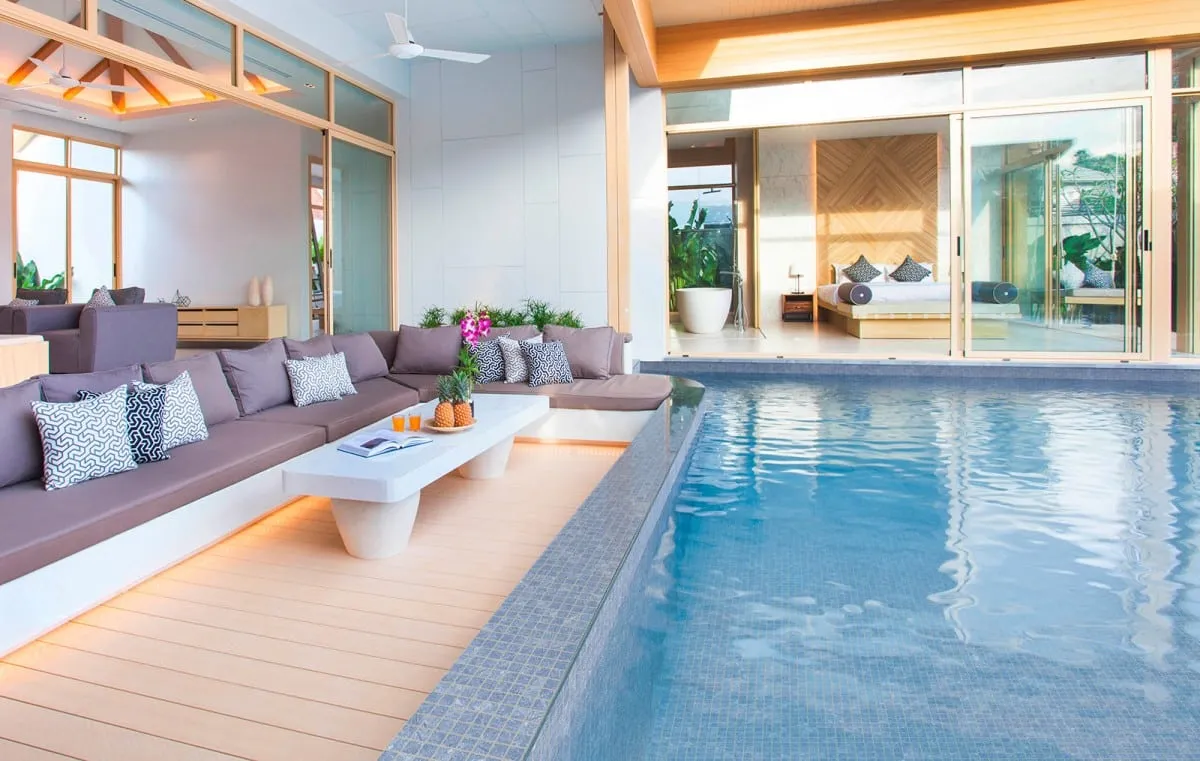
Durable pool tile is defined by its resistance to water, chemical exposure, and physical impacts. This section will explain what characteristics are vital to identify the best pool tile material for longevity. A tile’s surface hardness, resistance to slipping, and porosity are primary considerations to ensure long-term durability. Moreover, the tile’s ability to withstand freeze-thaw cycles is crucial in climates like Montreal’s. Recognizing these traits helps buyers avoid common pitfalls.
Essentially, the best pool tile material features low water absorption to prevent cracking and degradation. Porcelain tiles typically have water absorption rates below 0.5%, indicating high resistance. Meanwhile, surface strength ensures tiles do not chip or crack under use over time. Slip resistance is important for safety and lasting performance. These factors combined contribute to superior pool tile longevity, making certain tile selections more practical than others.
Additionally, comparing different materials provides insight into durability spreads. Porcelain tiles lead in resistance while glass tiles excel in color retention but can be pricier. Ceramic tiles offer an affordable option but may have higher water absorption, impacting longevity. Natural stone requires regular maintenance but adds a natural aesthetic not found in manufactured tiles. Evaluating these materials offers realistic expectations in terms of lifespan and care requirements.
For instance, clients in the Montreal area who prioritize longevity often select porcelain tiles for their pools. This is due to the material’s performance through cold winters and chemical treatments. Conversely, choosing ceramic tiles might require more frequent replacements or repairs in similar settings. Understanding the properties of durable materials helps make a decision that balances cost, beauty, and maintenance effectively. This knowledge serves as a foundation to explore the best tile types for pools next.
We will now consider how specific tile types translate to real-world benefits, focusing on the needs of pool owners in varying environments and maintenance scenarios.
Comparing Tile Types for Pools: Longevity Focus
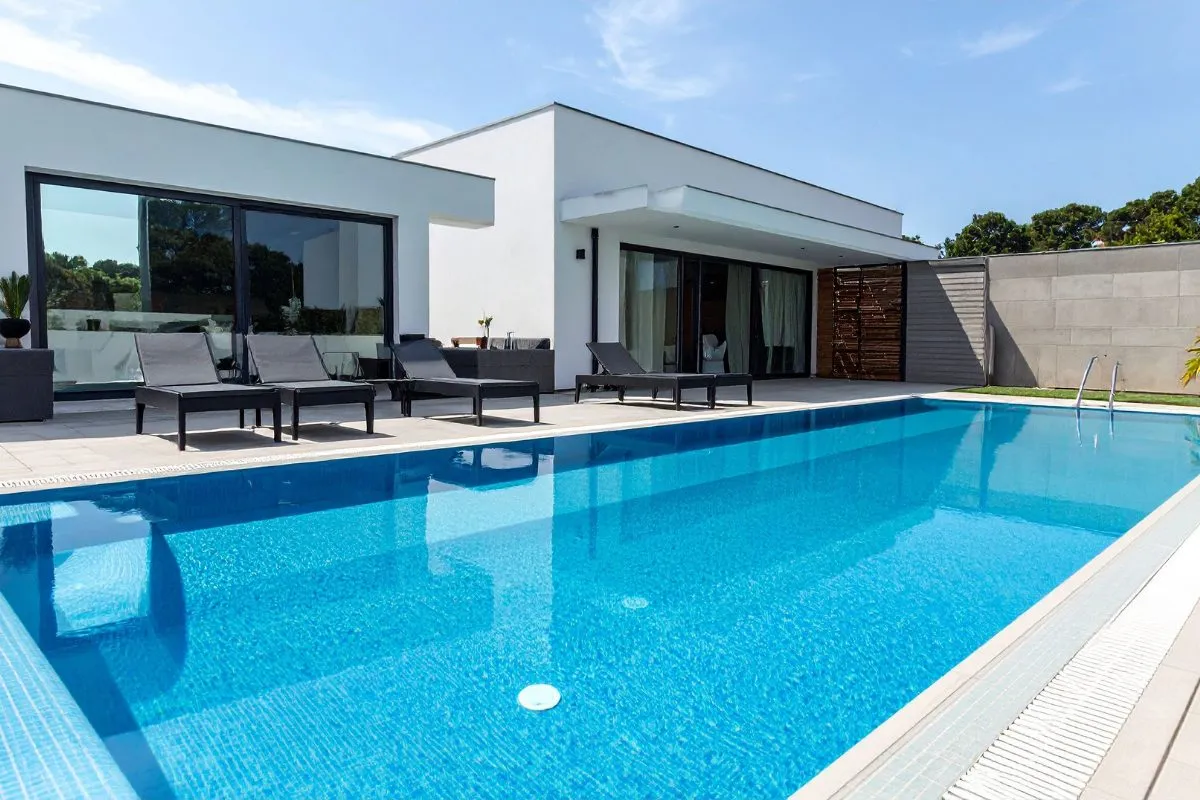
Exploring tile types for pools reveals notable differences in lifespan and performance. This section will compare popular tile materials based on durability indicators and practical usage. By doing so, you can identify the most durable pool tiles suited for long-term pool installations. Such comparisons highlight why some tiles outlast others under consistent exposure to water and chemicals.
Porcelain tiles stand out due to their dense composition and minimal water absorption, qualities that contribute to long-lasting status. Glass tiles resist discoloration and chemical wear while providing stylish designs. Natural stone tiles, including granite and slate, offer natural beauty but may demand more upkeep. Ceramic tiles usually have moderate durability but may be prone to damage without proper sealing. These characteristics influence pool tile longevity differently, defining their suitability for specific pool environments.
Additionally, the manufacturing process affects tile durability significantly. Glazed tiles provide an extra protective layer, enhancing resistance against staining and erosion. Unglazed porcelain retains strength and slip resistance, making it ideal for pool floors and walls. The choice between glazed and unglazed options reflects desired aesthetics and functional requirements. Knowing these distinctions helps in selecting the best pool tile material for your specific needs.
As an application, a Montreal pool with heavy seasonal fluctuation may perform better with unglazed porcelain tiles that resist freezing damage. Alternatively, glass tiles can add visual appeal to indoor pool areas with less exposure to harsh elements. These practical choices demonstrate the adaptability of different tile types for pools. Ultimately, understanding these options leads to more informed purchases and enhanced longevity.
Up next, we will discuss maintenance tips that prolong the life of the longest lasting choices and protect your investment effectively.
Maintaining for Maximum Life
Maintaining the longest lasting pool tile properly can extend its lifespan considerably. This section offers practical advice on care methods to preserve tile appearance and strength. Regular cleaning and protective measures ensure tile longevity by preventing buildup and damage from chemicals. Emphasizing maintenance helps owners optimize the durability of their chosen tile material, particularly in demanding climates such as Montreal’s.
To begin with, using non-abrasive cleaners prevents surface scratches on delicate glass and porcelain tiles. Regular removal of calcium deposits and algae also protects tile surfaces and grout. Sealing natural stone tiles at recommended intervals reduces water penetration and staining risks. Pool water chemistry balance plays a huge role in minimizing tile degradation, so consistent monitoring is advised. Implementing these steps supports lasting beauty and function.
Apart from cleaning, periodic inspection can identify early signs of wear or grout failure. Prompt repair reduces the risk of tile loss or damage spreading further. Protective covers during off-seasons help shield tiles in outdoor pools from freezing conditions that cause cracks. These maintenance practices contribute substantially to tile longevity. A well-maintained pool tile can significantly reduce future costs related to tile replacement and pool repairs.
For example, a pool owner in Montreal reported fewer tile repairs after regularly sealing natural stone tile and monitoring water chemistry closely. This proactive maintenance extended the natural stone’s lifespan beyond expectations. Similarly, owners using porcelain tiles benefit from routine care that keeps tiles looking new and prevents surface degradation. Careful maintenance planning is essential for any pool tile type to achieve its full longevity potential.
Having discussed maintenance, the next section will provide a helpful checklist for selecting the best and most durable pool tile considering local climate and use conditions.
Checklist for Choosing the Best Pool Tile Based on Longevity
Selecting the best pool tile material requires considering several factors related to durability and regional conditions. This section offers a checklist that can guide pool owners in Montreal to choose the longest lasting tile efficiently. A practical approach ensures the selected tile meets aesthetic desires and longevity expectations simultaneously.
The checklist includes evaluating water absorption rates, freeze-thaw resistance, slip resistance, chemical tolerance, and ease of maintenance. Prospective buyers should also consider the tile’s finish—glazed or unglazed—and intended pool location (indoor vs. outdoor). This comprehensive evaluation covers all crucial aspects influencing pool tile longevity. Comparing materials against this list simplifies decision-making processes.
Moreover, reviewing tile varieties available locally can provide insight into products suited for Montreal’s climate. Consulting expert resources like this guide on different types of swimming pool tile supplements understanding. Additionally, external insights into tile durability trends can be found at types of swimming pool tiles, offering valuable perspectives on pool tile longevity worldwide.
Here is a checklist summarizing key points:
- Check for low water absorption below 0.5% for maximum durability.
- Ensure tiles are rated for freeze-thaw cycles common in Montreal winters.
- Prioritize slip-resistant surfaces for safety and longevity.
- Select tiles that tolerate chemical exposure typical in pools.
- Consider maintenance needs and local availability before purchase.
Following this checklist will enhance your confidence in selecting the most durable tiles that deliver outstanding performance over time. These guidelines make the process clear and manageable, helping you invest smartly in your pool’s longevity.
