

Cost, Budgeting & Developer Math, How To, Installation Efficiency & Labor
How Developers Use Tile to Differentiate Projects
Nov
Introduction to Using Tile in Projects
Understanding how developers use tile in projects is essential for those looking to enhance their work’s uniqueness and impact. This topic promises to clarify the ways tile can elevate both design and functionality in various projects. Many developers seek innovative solutions to stand out, and tile offers versatile options to achieve that. The incorporation of tile is especially relevant in Oakville, Ontario, where modern design trends influence local development. Learning these practical applications helps unlock new potentials for project differentiation.
Using tile in projects means integrating small, repeatable units or elements to create a visually compelling or functionally efficient outcome. Tile can refer to literal material tiles in physical constructions or metaphorical tiles in software development, signaling modular design. This approach allows flexibility and creativity, enabling developers to experiment and build distinctive features. The core idea revolves around modularity and repetition, which enhances aesthetics and utility. Such concepts are significant within Oakville’s design-oriented community.
The implications of tile use extend beyond mere decoration, as it often improves project scalability and customization. Different tile styles and arrangements can dramatically influence a project’s character and user experience. For example, switching tile patterns or materials can alter the entire atmosphere of a space or software interface. Compared to less modular designs, tiled projects are easier to maintain and update. These advantages make tile mastery vital for developers aiming for competitive edges in Oakville’s market.
Examples of tile project applications range from physical spaces, like splashbacks and flooring, to software interfaces enhancing user interaction through modular design. Developers incorporate tile to bring visual interest and structural organization. Consider projects where creative pool tile designs create distinctive swimming areas, merging functionality with style. These examples can inspire others in Oakville who want to utilize tile effectively. Such real-world applications illustrate practical value and potential inspiration.
Moving forward, it’s clear that understanding how to use tile creatively opens opportunities for project differentiation. The following sections will discuss technical and aesthetic considerations, extending to specific examples and regional context. This foundation sets the stage for deeper insights into improving project uniqueness using tile, particularly within Oakville’s development environment.
Technical Aspects of How to Use Tile in Projects
To properly incorporate tile, developers must grasp the technical principles underlying tile implementation and integration. This section promises clarity on arranging and selecting tile elements to enhance project outcomes. Many factors influence tile use, including material choice, layout, and compatibility with existing designs. Technical proficiency ensures that the inclusion of tile improves both functionality and appearance. Oakville developers especially benefit from adapting these technologies to their local style preferences.
Applying tile technically involves understanding patterns, dimensions, and installation or coding practices. In physical projects, tiles must fit grid systems and surfaces seamlessly to create a smooth finish. In software projects, tile systems break down interfaces into manageable sections, facilitating easier coding and maintenance. Both approaches share principles of repeatability and coordination, essential for consistent results. Emphasizing technical accuracy leads to more durable and aesthetically pleasing projects, including those in Oakville.
The comparison of different tile systems, such as staggered versus grid layouts, reveals varying impacts on user perception and project sustainability. For instance, staggered tiles create dynamic patterns that catch the eye, whereas grid systems promote order and predictability. Deciding on the right technical strategy depends on project goals and user needs. Developers who master multiple methods gain flexibility in solving design challenges. The ability to choose appropriately enhances project success in various contexts, including Oakville’s evolving design scene.
An application of these technical principles can be seen in software projects that feature tile-based interfaces for dashboards or data presentation. Here, tiles serve a dual purpose of organization and visual appeal, improving user navigation and engagement. Similarly, physical tile projects require accurate technical planning to ensure the durability and coherence of tile arrangements. Both uses demonstrate the importance of technical proficiency in employing modular elements for project differentiation effectively. These insights pave the way for exploring aesthetic elements connected to tile use.
Understanding the technical side leads naturally into appreciating its aesthetic potential. The next section highlights creative applications and design principles that developers use to harness tile’s full visual impact, especially within Oakville’s design-conscious environment.
Aesthetic Benefits of Tile
The aesthetic benefits of using tile in projects provide developers with powerful tools to create distinctive and memorable designs. This section will explore how tile enhances visual appeal, offering promise for unique project identities. Tile use enhances texture, color schemes, and pattern complexity in both physical and digital environments. In Oakville, where diverse design tastes flourish, aesthetic innovation is particularly valued. These advantages help projects stand out and attract positive attention from clients and users alike.
Tile contributes to aesthetics by enabling intricate patterns and diverse material choices that elevate project style. Developers can mix colors, shapes, and textures to craft visually stimulating environments that align with project themes. This flexibility allows for customization that appeals to target audiences and project requirements. Designers consider tile scale and contrast to achieve balance and harmony in their works. Such considerations are key in refining the overall user or visitor experience, especially in regions like Oakville with strong design cultures.
The impact of tile aesthetics is evident when comparing projects with uniform surfaces to those with tiled accents. Tiled projects often convey sophistication and care in detail, enhancing perceived value. This approach also invites creativity through combining traditional and modern tile trends. For instance, blending classic tile styles with contemporary arrangements results in engaging contrasts. These creative uses demonstrate tile’s role as a differentiator that influences public perception and project reception in competitive markets like Oakville.
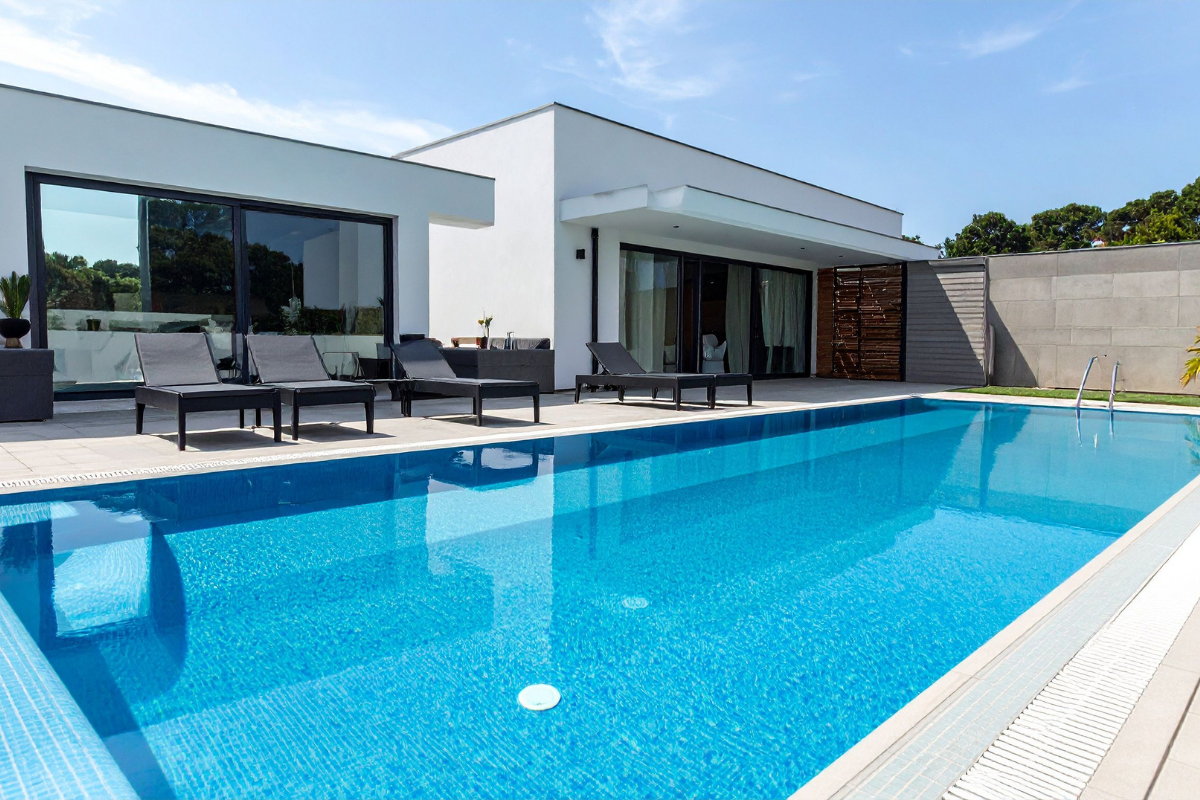
A practical example includes pool tile project examples that integrate color gradients and geometric patterns to create striking aquatic environments. Such designs not only improve the pool’s look but foster unique atmospheres that clients cherish. These projects emphasize how tile transforms spaces and experiences, reinforcing project individuality. Those interested in similar techniques can explore swimming pool tile ideas for inspiration and guidance relevant to Oakville’s climate and tastes. This application showcases how aesthetics and functionality merge through tile use.
The next topic will connect these aesthetic ideas to practical strategies developers apply daily. Understanding how to implement tile effectively requires balancing beauty with usability and technical feasibility.
Practical Strategies Developers Employ
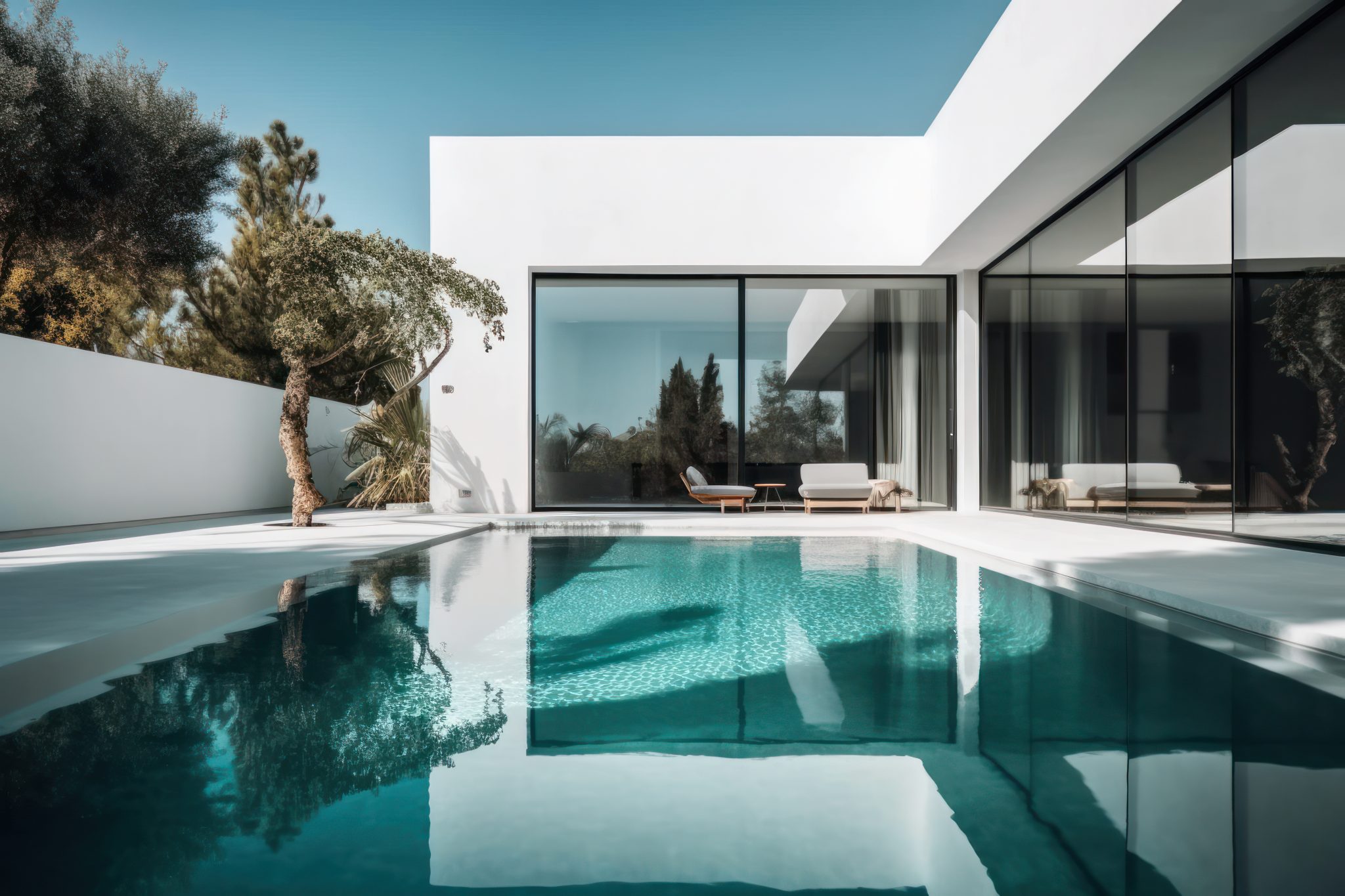 Design house – modern villa with open plan living and private bedroom wing. Large terrace with privacy and, swimming pool. Generative AI
Developers use tile through practical strategies that balance design goals, technical requirements, and project constraints. This section promises actionable advice and insights about effective implementation. Strategies vary depending on project type but share core principles like modularity and coherence. Oakville developers often adapt these strategies to local environmental and style factors. These methods empower developers to create distinctive projects that fulfill client and user expectations.
Effective strategies include selecting appropriate materials, planning tile layouts, and coordinating with overall project themes. Developers must consider durability, maintenance, and aesthetic harmony. Prioritizing tile quality ensures longevity and user satisfaction. Moreover, aligning tile patterns with project narratives strengthens uniqueness and branding. These combined factors constitute the foundation for successful project differentiation.
Comparing different strategies shows how some projects emphasize bold contrasts while others focus on subtle cohesion. For instance, using colorful tile accents might appeal to projects aiming for energetic atmospheres. Conversely, monochromatic arrangements better suit minimalistic designs. Developers choose strategies based on intended audience and project function. Oakville’s diverse community makes tailoring these strategies critical for appealing outcomes in a competitive market.
Applying these strategies often involves detailed design processes and collaboration with clients or teams. For example, developers referencing project examples from existing successful cases can guide decision-making. Sharing ideas through internal channels promotes innovation and quality improvements. As a resource, consulting pool tile design secrets can provide fresh perspectives applicable to various projects, including those in Oakville. Such resources facilitate informed strategy development and application.
This section’s insights lead into understanding challenges and solutions related to tile use, rounding out the comprehensive exploration of this topic.
Challenges and Solutions When Using Tile
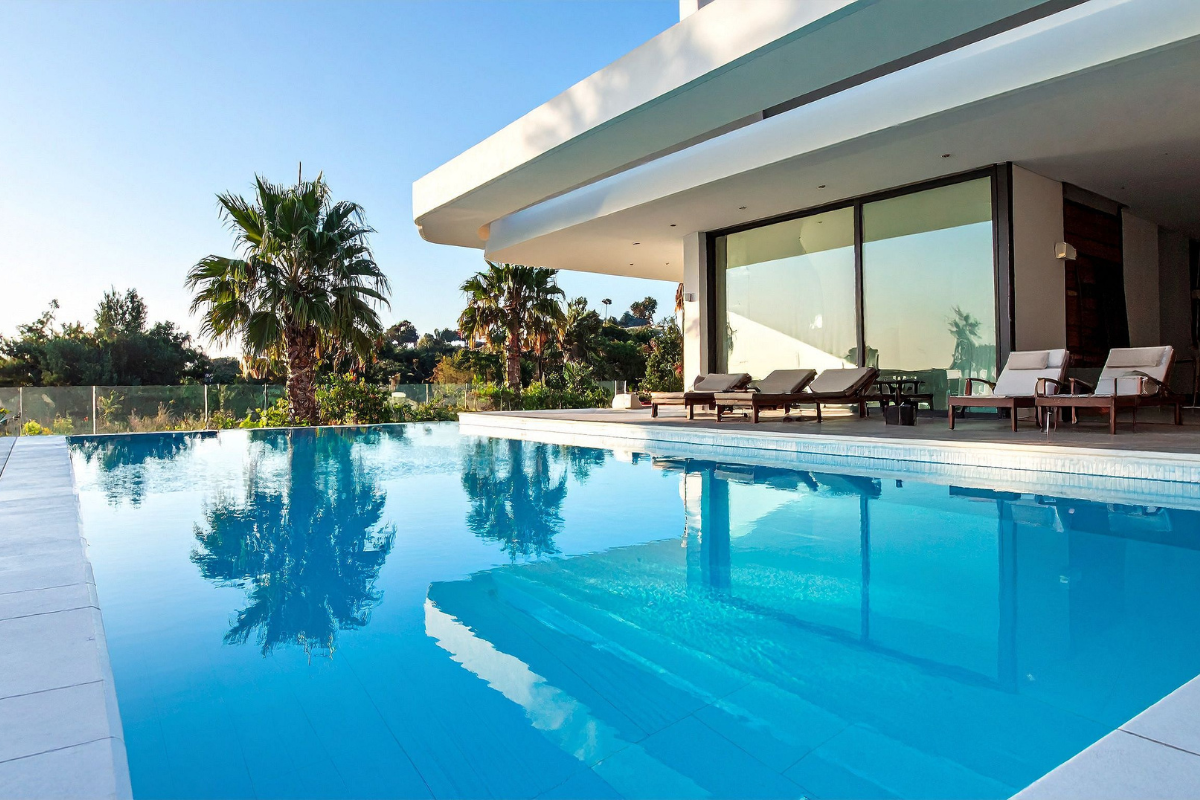
Despite its benefits, incorporating tile comes with challenges that developers must address to ensure successful outcomes. This section highlights common issues and practical solutions, offering reassurance and guidance. Awareness of these challenges helps developers refine their approaches and avoid setbacks. In Oakville, overcoming these obstacles is essential due to market expectations and design standards. Recognizing problems early allows more efficient project management and satisfaction.
Challenges often involve tile material selection, installation complexity, and integration with existing elements. For example, mismatched tiles or poor layout planning can lead to aesthetic or functional failures. Also, software projects face difficulties in managing responsiveness and performance of tiled interfaces. Addressing these issues requires technical knowledge and thorough planning. Developers should consider external factors such as climate or user habits specific to Oakville when selecting materials and techniques.
Comparing these challenges reveals that while some are physical, others relate to user experience or technical performance. Solutions include using high-quality materials, employing expert installers or coders, and thorough testing phases. Additionally, flexible designs accommodate future changes and updates without significant rework. Understanding these approaches mitigates risks and maximizes the benefits of tile use. Experienced developers rely on such knowledge to maintain their projects’ excellence and distinctiveness.
To illustrate, a pool project in Oakville might face challenges related to weather resistance and visual consistency. Using weatherproof tiles and professional installation ensures durability and aesthetic appeal. Designers can also adapt patterns to mask wear or enhance visual integrity over time. This example underlines the importance of problem-solving in sustaining tile-based project quality. Such practical tactics prepare developers for real-world scenarios and client demands.
Having explored challenges and solutions, the final section discusses future trends and evolving practices in how developers employ tile to differentiate projects, particularly in dynamic regions like Oakville.
Future Trends in Using Tile for Project Differentiation
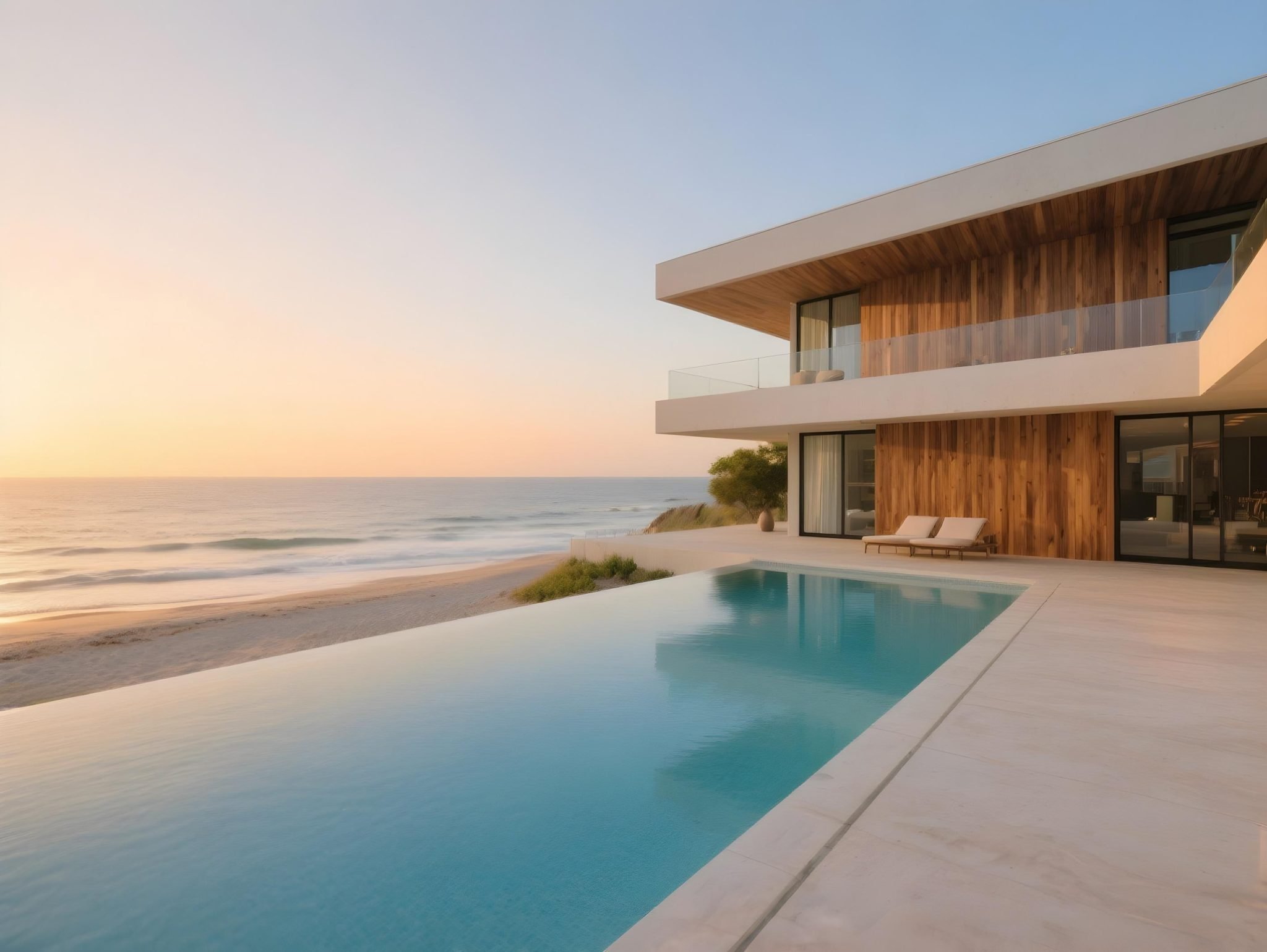
Looking ahead, future trends in tile incorporation promise innovation and evolving design possibilities. This section provides an outlook on emerging techniques and materials that developers can adopt. Advances in technology and changing client preferences drive these trends, offering fresh opportunities for uniqueness. Oakville’s development landscape stands to benefit from integrating these innovations. Staying informed about trends ensures projects remain relevant and competitive.
New tile materials such as eco-friendly composites and interactive digital tiles highlight sustainability and user engagement trends. Developers incorporate tile more creatively by blending traditional craftsmanship with modern technology. Additionally, customization tools powered by software allow bespoke designs to match exact project needs. This trend enhances personalization and project differentiation. Increasing demand for green materials aligns with Oakville’s environmental values.
Comparing traditional tile designs with future-oriented concepts reveals a shift toward multifunctionality and adaptivity. For example, tiles embedded with sensors or lighting create dynamic environments responding to user interaction or environmental changes. This innovation expands tile use beyond mere decoration to active components of project functionality. Developers embracing such trends can create standout projects with compelling narratives. Oakville’s tech-savvy market welcomes these advancements enthusiastically.
An example application might be software projects incorporating tile interfaces with adaptive features based on user behavior data. Similarly, physical projects could use solar-responsive pool tiles that change color or temperature. These cutting-edge applications show how tile use evolves to meet modern expectations. Learning from such examples encourages developers to experiment and lead in their fields while responding to Oakville’s progressive development environment.
In conclusion, staying abreast of future trends ensures developers maintain project differentiation and innovation. This continuous evolution supports the sustained success and appeal of projects in Oakville and beyond.
- Developers apply tile for project differentiation by emphasizing modular design.
- Technical knowledge ensures effective integration in software projects and physical builds.
- Aesthetic customization, such as color and pattern selection, greatly impacts uniqueness.
- Practical strategies include material choice, layout planning, and client collaboration.
- Addressing challenges like installation and material issues is crucial for quality outcomes.
- Future trends focus on sustainability, interactivity, and technology integration.
