

Design, Trends & Aesthetics
What Pool Tiles Work Best for Small Pools?

Mar
Introduction to Pool Tiles for Small Pools
Choosing the right pool tiles for small pools is essential to maximize aesthetic appeal and functionality. Selecting appropriate tiles can enhance the overall atmosphere of a compact swimming area. It is important to consider size, color, and texture when deciding on small pool tile options. Moreover, these choices influence maintenance and longevity in a pool limited by space. This section will provide an overview of what to look for in tiles.
Pool tiles serve as a protective and decorative layer for any swimming pool. In small pools, the tile selection process must be precise to avoid overwhelming the limited space available. Tiles for small swimming pools need to balance visual beauty with durability. Additionally, the right materials can prevent issues like slipping or discoloration which are critical for small pools. Understanding these fundamentals prepares you to make an informed decision.
Compared to larger pools, small pool ideas often focus on lighter colors or smaller tiles to create an illusion of space. There are various tile types for small pools, including glass, porcelain, and ceramic tiles. Each type presents unique benefits and should be evaluated for your specific environmental and design needs. Additionally, the ambiance created by the tile pattern can affect how spacious and inviting the pool feels.
For example, a homeowner in Montreal might choose mosaic glass tiles for their light-reflective properties, enhancing water clarity. Practical small tile options that also resist Montreal’s seasonal changes can prolong the lifespan. By focusing on these features, pools in Montreal, Quebec, can maintain their beauty and function year-round. This insight helps owners prioritize their tile choices effectively.
Understanding the impact of tile selection sets the stage for exploring specific tile materials used in small pools. Next, we will discuss various tile types to spotlight their unique characteristics and practical applications.
Types of Pool Tiles
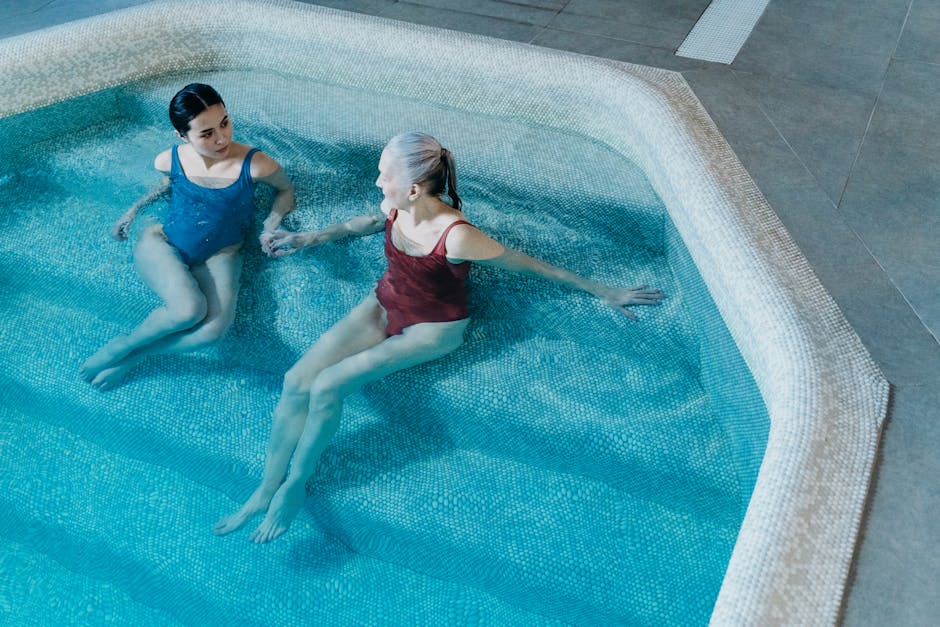
There are several tile types that cater to diverse design needs and pool environments. Each tile type has distinct qualities beneficial for small pool installations. Selecting the most appropriate tile type can optimize durability, visual appeal, and maintenance ease. This detailed explanation clarifies how tile material influences overall performance in small pools. You will gain a clear understanding of which tiles serve various practical and aesthetic purposes.
Tiles for small swimming pools commonly include porcelain tiles, which are prized for their hardness and low water absorption. Glass tiles are another popular choice due to their translucence and ability to make the water appear bluer and more inviting. Additionally, ceramic tiles provide a versatile, cost-effective option with many color choices. Mosaic tiles bring intricate design possibilities that suit the smaller scale of compact pools. Selecting from these types depends on personal preference and pool usage.
For example, glass tiles can visually expand the pool’s space by reflecting light, which is especially advantageous in Montreal climates with limited sunlight during winter. Porcelain tiles tend to hold up well against harsh winter conditions, making them a viable choice for outdoor pools in Quebec. Ceramic and mosaic options allow customization for style without compromising pool surface resilience. Understanding these tile types allows pool owners to align aesthetics with practicality.
To illustrate, a small pool owner in Montreal might combine porcelain tiles for durability and glass tiles for enhanced water clarity. This combination ensures longevity while creating an elegant look. Access to various designs is emphasized through this external resource detailing types of swimming pool tiles. Integrating these tiles successfully maximizes the visual and functional quality of small pools.
Having explored tile types, proceeding to color choices can elevate the design impact further. Color selection often determines not just the look but also how water appears in the pool environment.
Color Considerations
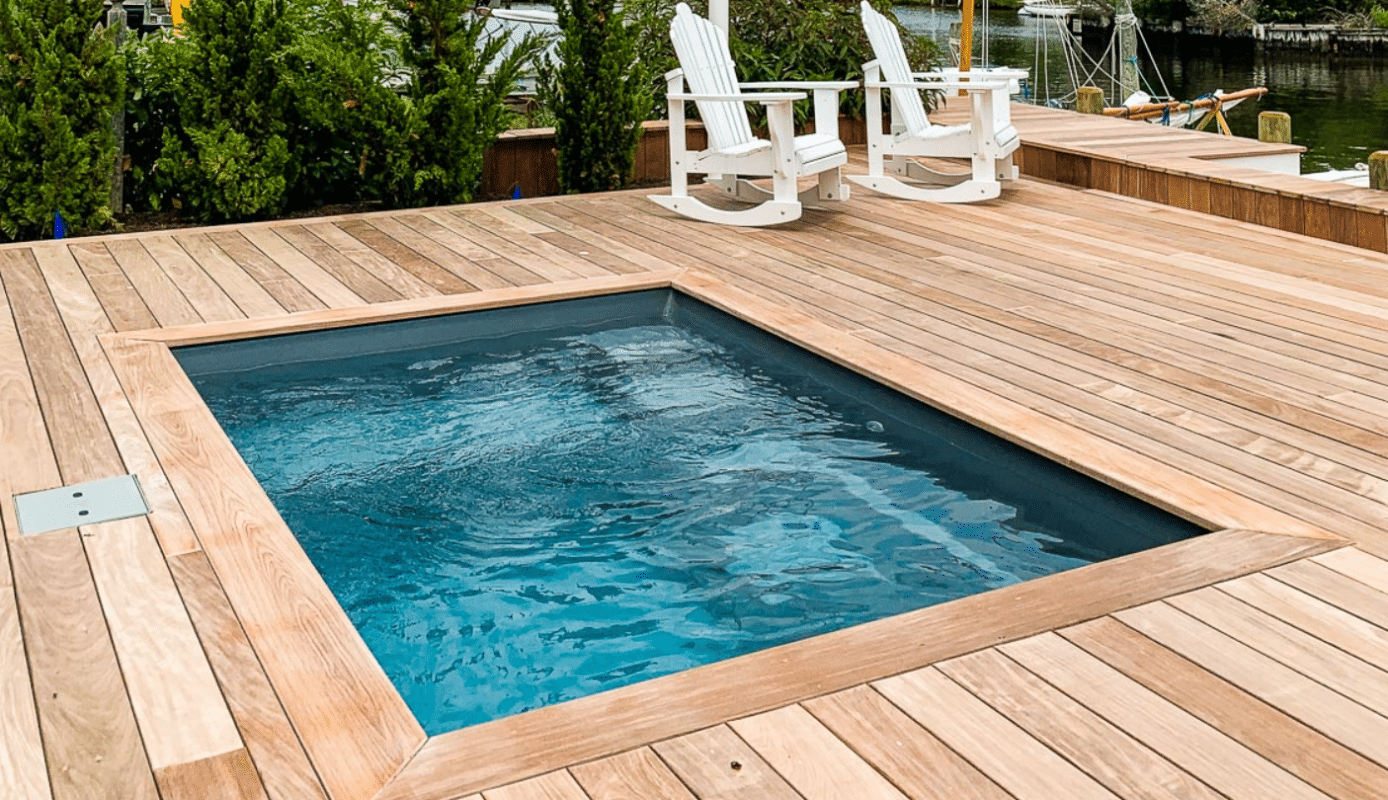
Choosing the right color for tiles plays a crucial role in the perception of space and water quality. Color affects how inviting and vibrant the pool appears, impacting user experience. Light colors can make a small pool feel larger and more open, whereas darker tones might create a cozy ambiance. This section details why color choice is as important as tile type in effective small tile ideas.
Water appears bluer and more appealing when paired with certain tile colors, due to light reflection and absorption characteristics. Shades of blue and aqua commonly enhance water clarity, while neutral whites and creams can brighten a pool area without overwhelming it. Conversely, darker or earth tones can provide a more natural look but might reduce the visual size of the pool. Choosing the right color optimizes both beauty and space perception.
For example, in Montreal’s often gray and cold climate, tiles that enhance blue tones can create a refreshing contrast that enlarges the small pool’s appeal. The way tile colors interact with light and water explains why specific colors outperform others in small pool installations. Expert advice is available through this internal guide, helping pool owners in Quebec achieve the best water appearance.
A homeowner may select light blue glass tiles for their reflective quality and small size, ensuring an open feel in a Montreal backyard pool. This design decision embraces seasonal changes by enhancing summer brightness and compensating for shorter daylight months. Color and size jointly contribute to a balanced and attractive pool environment. After selecting color, maintenance considerations become crucial for sustaining beauty over time.
In the next section, we will discuss maintenance tips tailored to the unique needs of small pool tile options, ensuring lasting vibrancy and durability.
Maintenance Tips
Maintaining pool tiles is key to prolonging their appearance and function. Proper care routines can prevent common issues such as algae growth, discoloration, and grout deterioration. Small pool ideas must include an effective maintenance plan to keep tiles looking pristine. This section offers practical advice on cleaning and protecting tiles in compact pool settings.
Regular cleaning with non-abrasive tools and tile-specific cleaners can extend the life of tiles. Weekly brushing helps remove dirt and algae before they cause damage. Maintaining grout lines is equally important since deteriorated grout can lead to tile loosening. Using sealants occasionally strengthens grout and tile bonds, reducing maintenance frequency. These care steps ensure a small pool remains inviting and hygienic year-round.
For instance, Montreal pool owners might need to adjust cleaning schedules based on seasonal debris and water chemistry changes associated with the local climate. Winterizing small pools using tile-friendly products can prevent freeze damage. Understanding unique regional challenges ensures maintenance is appropriate and effective. Maintenance routines adapted to tile types save time and expenses over the long term.
Implementing these guidelines supports tile integrity and visual appeal in pools regardless of size. Additionally. Consistent maintenance complements thoughtful tile selection, enhancing return on pool investment.
Moving forward, exploring design inspirations based on small tile options helps visualize what is achievable in compact spaces.
Creative Small Tile Ideas for Stylish Designs
Creative small tile ideas broaden the design possibilities for owners seeking functionality fused with style. Thoughtful tile arrangements and color mixes can transform a modest pool into a striking backyard oasis. This section highlights innovative approaches to using tiles for small pools to inspire personalized pool aesthetics. Embracing creative solutions helps maximize benefits despite limited pool dimensions.
Playing with patterns such as mosaics or geometric designs adds visual interest without overwhelming small spaces. Combining various materials like glass and porcelain tiles can create texture and depth. Strategic placement of accent tiles draws attention to focal points, enhancing the pool’s character. Such ideas tailor traditional tile functions into artistic expressions fit for small pools. Creativity in tile use balances practicality with engaging visuals.
In Montreal, creative designs may incorporate themes that reflect the local culture or natural surroundings. Tiles resembling water ripples or aquatic motifs complement pool environments. Innovative layouts also account for swim safety by integrating slip-resistant tiles in high-traffic areas. This thoughtful integration results in pools that are both beautiful and user-friendly across seasons.
For example, combining cool blue hues with shiny mosaic tiles can evoke serene water scenes in a small pool setting. These artistic choices amplify the perceived size and luxury of the pool with minimal installation complexity. Seasonal lighting can further enhance tile colors and patterns, creating dynamic nighttime effects.
As we conclude, understanding the critical role of pool tiles guides effective choices for aesthetics, durability, and maintenance in this specific environment.
