

How To
Building a Pool? Avoid These Costly Mistakes

Jul
Building a Swimming Pool Guide: Step-by-Step Instructions for Your Dream Pool
A swimming pool is an exciting addition to any home, offering endless relaxation, entertainment, and increased property value. However, building a swimming pool requires careful planning and execution to avoid costly mistakes.
This building a swimming pool guide covers every step—from design and excavation to finishing and inspection—so you can confidently plan your backyard oasis.
For homeowners considering pool installation, this step-by-step guide will provide insights into choosing materials, handling permits, and working with contractors.
Step 1: Planning & Design – The First Step in Building a Swimming Pool
The first and most important step in building a swimming pool is planning. This phase defines the size, shape, materials, and budget before construction begins.
Key Factors to Consider
- Pool Type: Concrete, fiberglass, or vinyl—each has pros and cons.
- Size & Shape: Must match your yard, lifestyle, and budget.
- Features: Waterfalls, LED lighting, heating systems, and automation.
- Budget Planning: Consider both construction and long-term maintenance costs.
- Permits & Regulations: Ensure compliance with local building codes and zoning laws.
DIY vs. Hiring a Pool Contractor
- Professional Builders – Ensure compliance, efficiency, and high-quality construction.
- DIY Projects – Only recommended for above-ground pools with simple installations.
Once your design is finalized and permits are secured, it’s time for excavation and construction.

Step 2: Excavation – Breaking Ground on Your Dream Pool
With plans finalized and permits approved, the next step in building a swimming pool is excavation.
What Happens During Excavation?
- Pool Layout Marking – The design is outlined for accurate digging.
- Dirt & Debris Removal – Heavy machinery digs to the required depth.
- Leveling the Ground – A stable base prevents future structural issues.
Timeline: 1–2 weeks, depending on soil conditions, weather, and pool size.

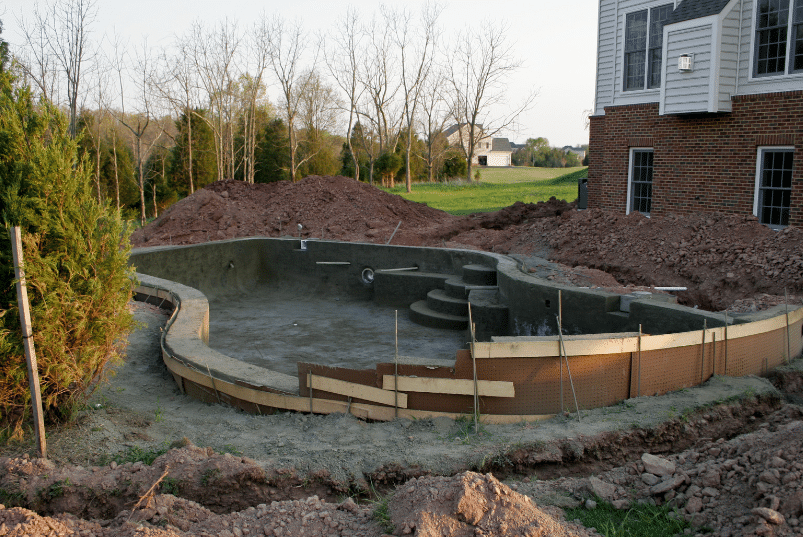
Step 3: Constructing the Pool Shell – Strength & Durability
The pool shell is the core structure that determines longevity and strength.
Types of Pool Shells
- Concrete (Gunite or Shotcrete): Customizable and extremely durable but requires longer curing time.
- Fiberglass: Pre-molded, quick to install, and requires minimal maintenance.
- Vinyl Liner: Budget-friendly but needs liner replacements every 7–10 years.
For concrete pools, a steel reinforcement grid is placed before gunite or shotcrete is applied. This phase takes 2–4 weeks depending on the pool type.
Step 4: Installing Plumbing, Electrical & Filtration Systems
A pool needs filtration, circulation, and heating systems to function properly.
Essential Pool Equipment
- Pump & Filter: Keeps water clean and clear.
- Heating System: Gas, electric, or solar options for extended swimming seasons.
- LED Lighting: Enhances safety and ambiance.
- Automation Features: Smart controls for temperature, lighting, and cleaning.
Timeline: 1–2 weeks, depending on complexity and pool location.
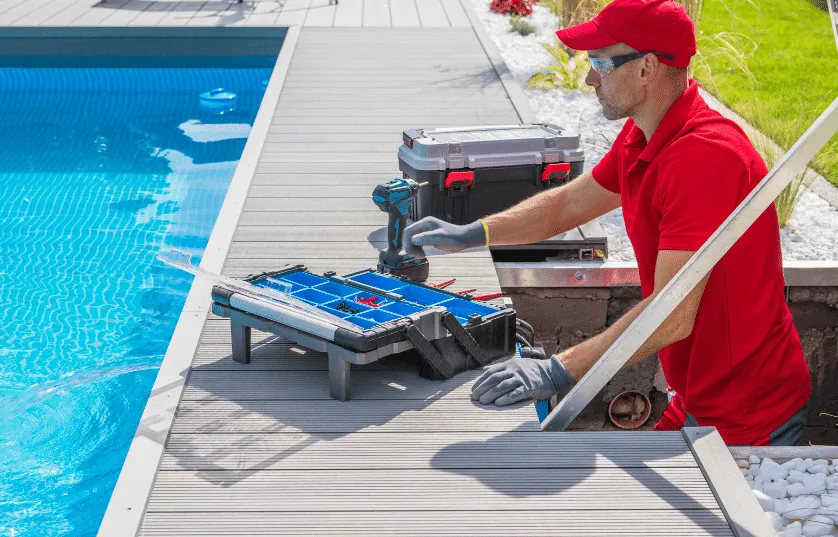
Step 5: Finishing Touches – Turning Construction into a Paradise
Now that the structural work is done, it’s time for aesthetic finishing touches.
What’s Added During This Phase?
- Tile & Coping: Defines edges and protects surfaces.
- Plaster, Pebble, or Quartz Finish: Seals and waterproofs the pool shell.
- Decking & Landscaping: Choose materials that enhance safety and style.
Additional features like fencing, waterfalls, and fire pits can also be added.

Step 6: Pool Inspection & Final Approval
Before you can start swimming, the pool must pass a final inspection. Officials check for:
- Structural integrity and proper construction.
- Electrical and plumbing compliance with regulations.
- Safety features, including proper drainage and fencing.
Once approved, your pool is ready for water filling, chemical balancing, and first use.
How Long Does It Take to Build a Swimming Pool?
The pool construction process typically takes 8 to 12 weeks, but various factors can speed up or delay completion:
- Pool Type & Size – Larger or custom pools take longer.
- Permit Approvals – Some areas process faster than others.
- Weather Conditions – Rain and extreme temperatures cause delays.
- Material Availability – Special-order tiles and finishes extend timelines.
Working with a trusted pool contractor ensures fewer delays and higher-quality results.
Common Mistakes to Avoid When Building a Pool
Even with careful planning, mistakes can add time and cost to your project.
Top Mistakes to Avoid
- Skipping permits – Can result in legal fines or forced removal.
- Choosing the wrong contractor – Always check credentials and past work.
- Underestimating maintenance costs – Pools require ongoing upkeep.
- Ignoring sun and wind patterns – These affect temperature and debris accumulation.
By planning ahead and choosing quality materials, you avoid expensive repairs and modifications later.
Final Thoughts: Is Building a Pool the Right Choice for You?
A swimming pool is a valuable investment, but success depends on proper planning and execution.
Key Takeaways:
- Design, budget, and materials must be carefully planned.
- Hiring a reputable contractor ensures durability and compliance.
- Choosing the right pool type affects long-term costs and maintenance.
- Proper construction prevents costly mistakes.
By following this building a swimming pool guide, you’ll be well-prepared to create a backyard paradise that lasts for years.
Ready to Build Your Pool? Get Expert Advice and Start Today!
