

Epoxy Grout, How To, Technical
Pool Tile Falling Off? Cause may be more serious than you think

Jul
Why Are Pool Tiles Falling Off?
If you’ve noticed pool tile falling off, it’s important to address the issue quickly to prevent further damage. A secure and intact tile finish is essential not only for aesthetic appeal but also for structural integrity and swimmer safety.
When pool tile starts detaching, it is usually a sign of underlying problems, such as poor adhesion, chemical imbalances, temperature changes, or physical impact. Understanding why pool tile is falling off allows you to take the right steps toward fixing and preventing future tile failure.
1. Poor Adhesion – The Leading Cause of Pool Tile Falling Off

Why Poor Adhesion Leads to Loose Pool Tiles
When pool tile falls off, one of the most common reasons is improper adhesive application during installation. If the adhesive was not applied correctly or a low-quality product was used, tiles may loosen over time.
Signs of Poor Adhesion
- Pool tile falling off in multiple locations
- Gaps or air pockets behind tiles
- Cracking or crumbling grout
How to Fix Poor Adhesion Issues
To properly fix pool tile falling off due to poor adhesion, follow these steps:
- Remove all loose tiles and scrape off old adhesive and grout.
- Thoroughly clean the area to remove dust, debris, and residue.
- Use a high-quality, waterproof adhesive specifically designed for pools.
- Press tiles firmly into place and ensure proper alignment.
- Allow sufficient curing time before reapplying grout and refilling the pool.
2. Water Chemistry Imbalances – A Hidden Cause of Pool Tile Falling Off
How Improper Water Chemistry Affects Pool Tiles
When the pool’s water chemistry is unbalanced, it can erode grout and weaken tile adhesives, leading to pool tile falling off over time. High acidity can break down grout and bonding agents, while excessive alkalinity can cause calcium buildup, which weakens adhesion.
Signs of Water Chemistry Issues Affecting Pool Tiles
- White calcium deposits forming on the tiles
- Grout crumbling or softening
- Tiles appearing dull or discolored
How to Fix and Prevent Tile Damage from Water Chemistry
- Maintain a pH level between 7.2 and 7.6 for balanced water chemistry.
- Use a professional-grade water testing kit to monitor chemical levels.
- Avoid excessive use of strong chemical cleaners on pool tiles.
- Schedule regular pool maintenance to prevent long-term chemical damage.
3. Temperature Fluctuations – How Weather Causes Pool Tile Falling Off
How Temperature Changes Affect Pool Tiles
Pools exposed to extreme heat, cold, or rapid temperature shifts are at risk of expansion and contraction, which causes pool tile falling off due to stress on the adhesive bond.
Signs of Temperature-Related Tile Damage
- Multiple tiles detaching after seasonal weather changes
- Visible cracks in grout and tile edges
- Sudden appearance of loose or missing tiles after hot or cold weather
How to Prevent Pool Tile Falling Off from Temperature Changes
- Use a flexible adhesive that accommodates expansion and contraction.
- Install expansion joints to reduce stress on pool tiles.
- Cover the pool during extreme temperature fluctuations to minimize damage.
4. Physical Damage – The Role of Impact in Pool Tile Falling Off
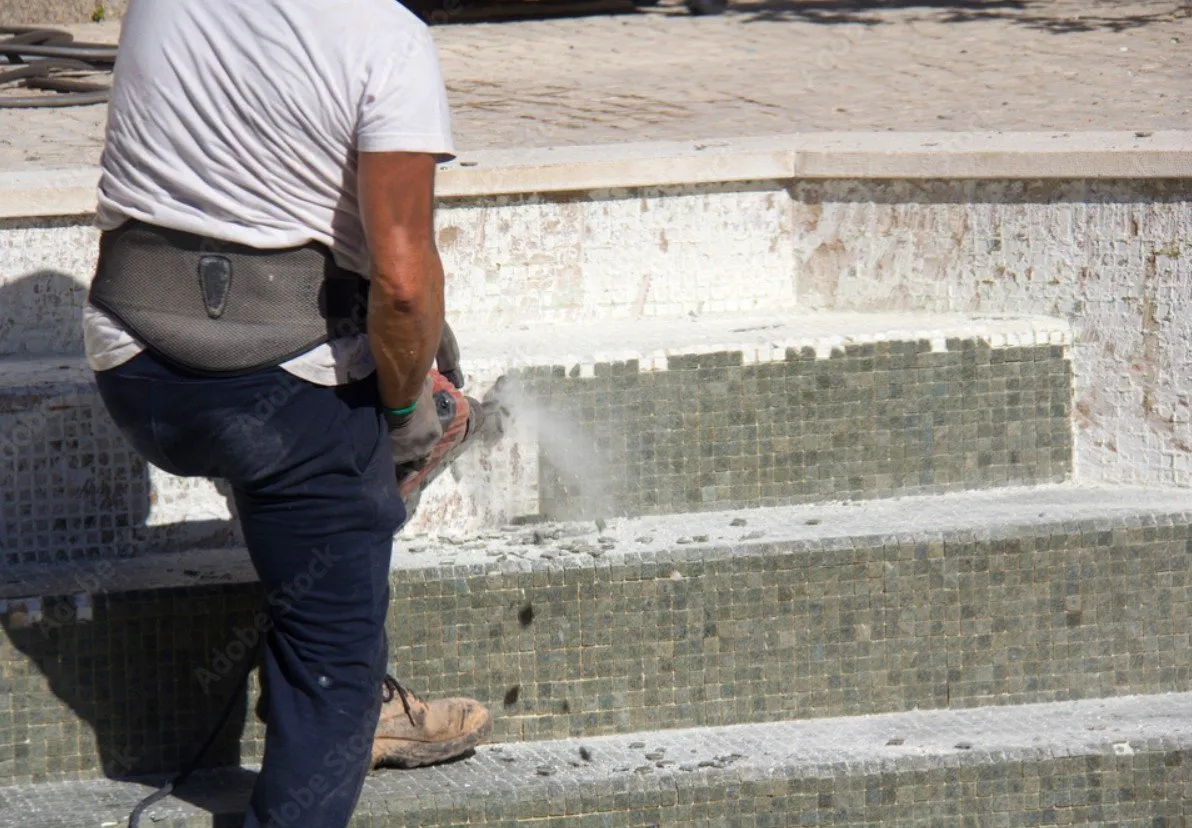
How Physical Damage Contributes to Pool Tile Failure
Even though pool tiles are designed to be durable, rough handling, improper maintenance, and accidental impacts can contribute to pool tile falling off.
Signs of Physical Tile Damage
- Cracks, chips, or missing pieces along the pool’s edge
- Rough or uneven grout lines
- Scattered loose tiles in high-traffic areas
How to Prevent Physical Damage to Pool Tiles
- Use gentle, pool-safe cleaning equipment to avoid scratching or loosening tiles.
- Train swimmers to avoid kicking or hitting tile surfaces.
- Inspect tiles regularly and fix small cracks before they worsen.
5. How to Fix Pool Tile Falling Off – Step-by-Step Repair Guide
If pool tile is falling off, acting quickly can prevent worsening damage and costly repairs. Follow these steps to properly reattach loose pool tiles.
Step-by-Step Guide to Reattaching Pool Tiles
- Lower the water level below the affected tiles.
- Remove old grout and adhesive using a scraper or wire brush.
- Clean the area thoroughly to ensure proper adhesion.
- Apply a waterproof adhesive specifically designed for pools.
- Press the tile firmly into place and ensure proper alignment.
- Allow sufficient curing time before reapplying grout.
- Seal the grout to prevent moisture penetration.
6. Fixing Cracked Pool Tiles – Repair vs. Replacement
If a pool tile is cracked but still attached, a waterproof epoxy filler can help repair small fractures. However, if the damage is severe, full tile replacement is the best solution.
- Minor cracks – Can be filled with clear epoxy or tile-safe sealant.
- Major cracks or missing pieces – Require complete tile replacement for long-term durability.
7. Can You Reattach Pool Tiles Without Draining the Pool?
Is Underwater Tile Repair Possible?
Yes, underwater adhesives exist for reattaching loose tiles without draining the pool, but these methods require expert handling for long-lasting results.
- For minor repairs, underwater adhesive can be used.
- For widespread tile failure, lowering the water level is recommended.
If multiple tiles are falling off, it’s best to partially drain the pool and perform a complete repair to prevent recurring issues.
8. Preventing Pool Tile Falling Off in the Future
To avoid future tile failures, follow these preventative measures:
- Invest in high-quality pool tiles made of porcelain, glass, or natural stone.
- Use premium waterproof adhesives and epoxy grout for strong bonding.
- Hire professional installers to ensure proper tile placement.
- Perform routine maintenance to keep water chemistry balanced.
- Seal grout annually to protect against water infiltration and deterioration.
Adding Epoxy Grout for Long-Lasting Pool Tiles
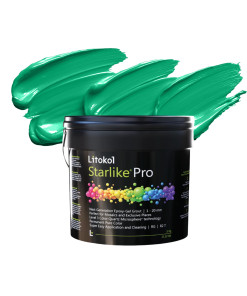
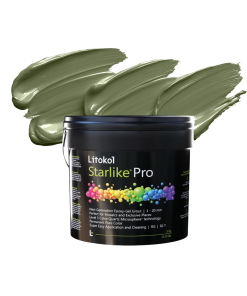
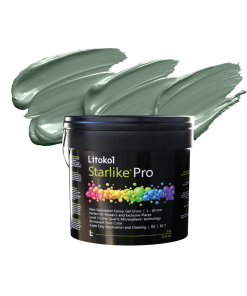
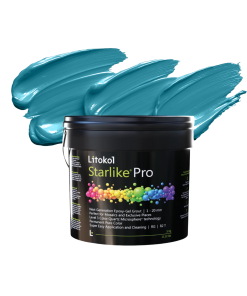
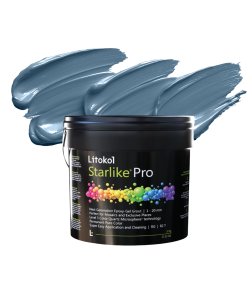
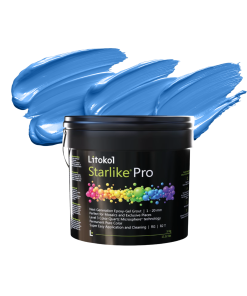
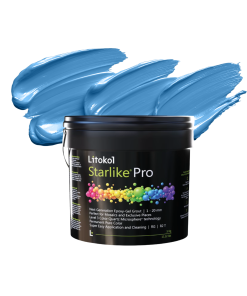
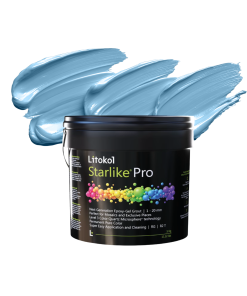
One of the best ways to prevent pool tile falling off is by using epoxy grout during installation or repairs. Unlike traditional cement-based grout, epoxy grout is waterproof, chemical-resistant, and highly durable, making it the ideal choice for swimming pools. It withstands constant water exposure, chlorine, and temperature fluctuations without breaking down, ensuring that tiles remain securely in place for years.
By choosing epoxy grout, you minimize the risk of grout erosion, weak tile bonding, and water infiltration, all of which contribute to tile failure. Additionally, epoxy grout is stain-resistant and requires less maintenance, reducing the need for frequent repairs. If you’re reattaching pool tiles or installing new ones, opting for high-quality epoxy grout will provide a stronger, longer-lasting solution compared to standard grout options.
Final Thoughts
If pool tile is falling off, addressing the issue early can save time, money, and additional repairs. By identifying the cause, applying proper repair techniques, and maintaining the right preventative measures, you can ensure your pool stays in excellent condition for years to come.
Upgrade Your Pool with High-Quality Tiles and Grout
If you’re looking to replace damaged pool tiles or prevent future tile failures, PoolTile.ca offers a collection of durable, stylish, and long-lasting pool tiles, along with premium epoxy grout for secure installations.
Contact us today to explore the best tile and grout solutions for your pool and keep it looking pristine and elegant.
