

Maintenance, Cleaning & Longevity
Stop Mold & Algae Before They Damage Pool Tiles
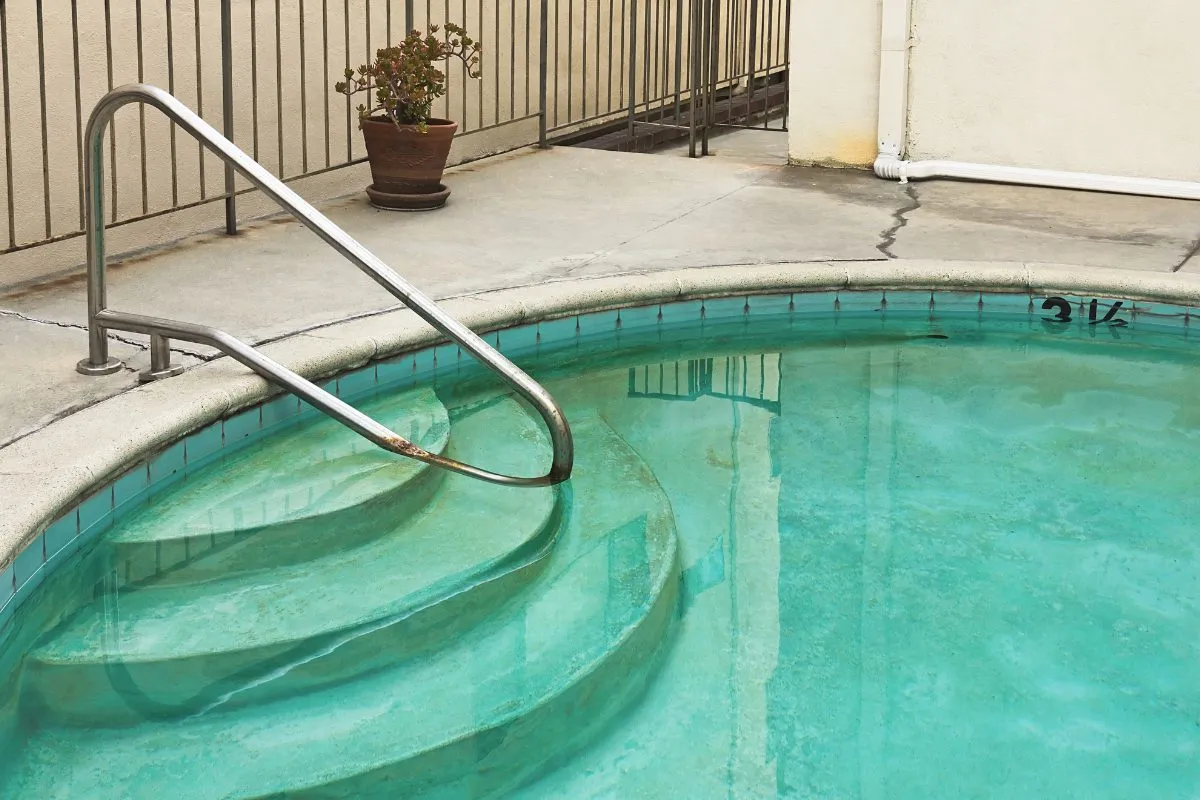
Mar
Understanding Why to Prevent Mold on Pool Tiles
Maintaining pool tile cleanliness is essential, especially for homeowners in Toronto, Ontario, where the climate can encourage mold and algae growth. This guide promises to equip you with actionable steps on how to prevent mold on pool tiles and ensure your swimming area remains sparkling. Pools needing regular upkeep benefit greatly from routine inspection and cleaning. With the right approach, you can protect your tiles and keep your pool inviting throughout the year.
Preventing mold on pool tiles means recognizing the conditions that foster it. Mold and algae thrive in damp, warm environments where pools are not properly balanced or cleaned. If ignored, these microorganisms can compromise tile appearance, surface texture, and longevity. It is essential to implement regular maintenance to deter these issues. Knowing the root causes allows pool owners to make informed decisions on treatment options.
Failure to stop algae on pool tiles can lead to slippery surfaces and damage the pool’s structural integrity over time. Mold growth can cause discoloration and surface blemishes, lowering the pool’s aesthetic appeal. Both require addressing with effective cleaning products and preventive measures. Toronto’s specific regional climate necessitates particular attention to moisture control and chemical balancing. Pools in this city may face more frequent algae challenges due to humidity swings.
For example, frequent brushing and scrubbing of tiles, combined with proper chemical use, greatly reduce mold and algae development. Pool owners in the Toronto area utilize pool tile algae prevention strategies regularly, which proves effective during warmer months. Routine inspection helps spot early signs of mold or algae so that removal can be prompt and less labor-intensive. Neglect often leads to more stubborn infestations that require professional intervention.
In summary, understanding why mold and algae form on pool tiles leads into exploring specific prevention techniques. The next section will detail best practices on keeping pool tiles clean and avoiding these common problems.
Effective Techniques to Stop Algae on Pool Tiles
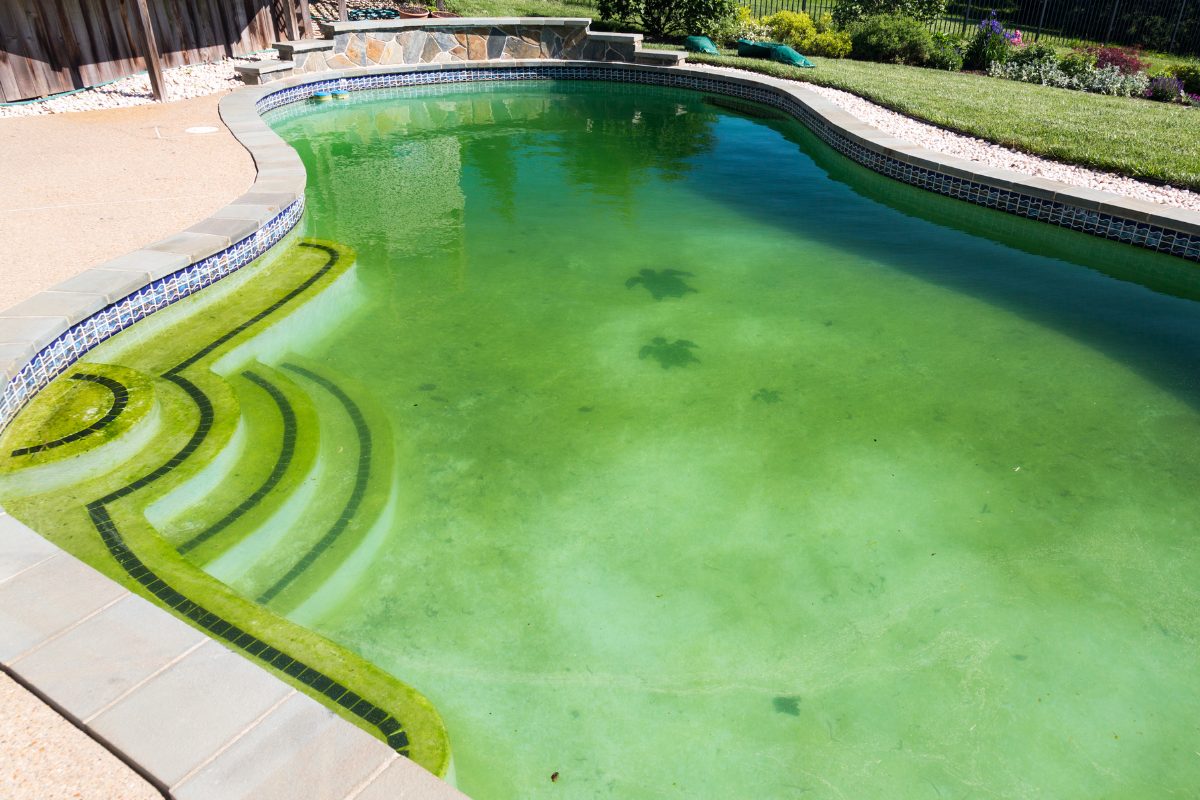
Applying efficient techniques to stop algae on pool tiles can significantly extend tile life and pool enjoyment. Today, we explore practical methods to prevent algae buildup and maintain a pristine pool environment. Each technique supports pool health through consistent application and monitoring. Pool owners in Toronto appreciate straightforward tips that fit their regional requirements.
To stop algae on pool tiles, regular brushing is advised to remove early algae colonies before they adhere strongly. Utilizing pool brushes with appropriate bristle hardness ensures tiles are not scratched during cleaning. Additionally, setting proper chlorine levels inhibits algae growth by maintaining sanitization balance. Chemical treatment combined with mechanical cleaning forms a robust defense against algae accumulation.
Implementing these techniques influences the water clarity and overall hygiene of the pool. Preventive steps reduce costly repairs and help retain the pool’s visual appeal. Since algae thrives on organic debris, maintaining a clean pool surface and balanced chemical levels is crucial. In a city like Toronto, where seasonal changes can impact water conditions, vigilance is key to effective prevention.
An example includes incorporating a weekly brushing schedule, supported by chlorine shock treatments as needed, keeping the tiles algae-free. Pool professionals often advise Toronto residents to integrate these routine actions to safeguard their investment. Maintaining effectiveness means understanding product instructions and using products specifically designed for pool tile algae prevention.
Overall, mastering these techniques prepares pool owners to clean mold from pool tiles effectively when prevention is not enough. The next topic will cover how to remove mold pool tiles safely and efficiently.
How to Clean Mold from Pool Tiles

Cleaning mold from pool tiles is necessary once prevention efforts fall short. This section outlines straightforward steps to tackle mold presence while preserving tile integrity. A clean pool not only looks better but also promotes healthier swimming conditions. Pool owners in Toronto often face mold as a recurring problem due to local humidity levels and pool use frequency.
To effectively remove mold pool tiles, start by using a specialized tile cleaner or a diluted bleach solution, taking care to follow safety guidelines. Scrubbing with a soft brush helps dislodge mold without damaging tile surfaces. Rinsing thoroughly prevents residue buildup that can encourage future mold growth. Professional recommendations often emphasize gentle but thorough cleaning to avoid harm.
This approach to cleaning mold leads to restored tile appearance and a prevention baseline for future maintenance. Unlike harsh chemical methods, these techniques balance cleaning power with tile preservation. Toronto’s climate necessitates periodic mold cleaning especially after rainy or humid seasons. Ignoring mold risks long-term discoloration and tile degradation.
For instance, after applying a mold remover product, pool owners should wait the recommended contact time before scrubbing. Repeat treatments might be necessary in tougher cases. Consistent cleaning schedules paired with monitoring water chemistry enhances outcomes. This practical method ensures mold removal while reducing recurrence.
To conclude, proper cleaning of mold provides a foundation for how to keep pool tiles clean. The upcoming section will expand on long-term maintenance strategies for ongoing tile care and mold prevention.
Long-Term Strategies for Pool Tile Algae Prevention
Developing long-term strategies for pool tile algae prevention is crucial for sustainable pool maintenance in Toronto. These strategies offer a reliable way to minimize mold and algae concerns, ensuring the pool stays inviting year-round. Investing time in prevention reduces the need for aggressive cleaning interventions. Understanding the environmental factors affecting your location helps tailor these strategies effectively.
Long-term prevention involves consistent water chemistry management, periodic tile cleaning, and using algaecide treatments as part of routine maintenance. Proper filtration and circulation ensure stagnant water does not promote algae growth. Pool tile algae prevention also includes physical removal methods and chemical preventive measures. Combining these reduces the likelihood of mold and algae establishing strongholds.
Implementing these tactics positively impacts pool longevity and user safety. Without such measures, pools may require costly repairs or replacement tiles due to decay caused by mold and algae. Toronto’s fluctuating climate demands adaptive strategies that accommodate seasonal variations in moisture and temperature. Monitoring tools help regularize checks for early signs of algae buildup.
An example application includes scheduling monthly tile inspections, combined with bi-weekly treatments and consistent pool brushing. Many Toronto pool owners find success in following manufacturer instructions for algaecide products and adjusting their routine to seasonal needs. This measured approach ensures balanced, sustainable pool tile care.
In recap, these long-term strategies complement immediate cleaning efforts and preventive tactics. The next section will offer practical tips for routine maintenance to support these strategies.
Routine Maintenance Tips to Keep Pool Tiles Clean
Routine maintenance represents the frontline defense on keeping pool tiles clean and free from mold and algae. This section offers actionable, easy-to-follow tips that pool owners in Toronto can incorporate for daily, weekly, and monthly care. Consistency in maintenance provides visible benefits and keeps pools in optimal condition. Understanding routine tasks empowers owners to avoid common pitfalls associated with neglect.
Key tips include regularly vacuuming debris, brushing pool tiles, balancing water pH, and inspecting tiles for early mold spots. Simple measures such as using a pool cover when not in use also prevent organic matter accumulation. Adopting a proactive approach in maintenance goals reduces chemical dependency and prevents persistent algae problems. A well-maintained pool is safer and more enjoyable.
These tips enhance overall pool health and reduce the need for reactive cleaning. They emphasize prevention rather than correction, aligning with expert recommendations in pool care. Toronto’s unique weather patterns—marked by wet springs and hot summers—mean maintenance schedules may require adjustment. Flexibility in routine practices helps respond to changing conditions quickly.
For example, a weekly checklist might include brushing areas prone to mold, testing water chemistry, and topping off sanitizer levels. Additionally, consulting professional resources like this guide on getting rid of pool algae enriches maintenance knowledge. Applying these routine tips systematically fosters a cleaner and healthier pool environment.
- Brush pool tiles weekly to remove algae and mold spores.
- Maintain balanced water chemistry for effective chemical protection.
- Vacuum the pool regularly to minimize organic debris buildup.
- Use algaecide treatments according to manufacturer instructions.
- Cover the pool when not in use to limit contamination.
- Schedule periodic professional inspections to catch early tile issues.
In conclusion, integrating these routine maintenance tips supports comprehensive prevention of mold and algae. By combining cleaning, chemical management, and protective measures, pool owners in Toronto will effectively protect their tiles against common issues. This holistic approach ensures long-lasting tile beauty and safe swimming conditions.
