

Climate, Environment & Regional Performance, Installation Efficiency & Labor, Maintenance, Cleaning & Longevity
Can You Use Indoor Tiles in a Swimming Pool?
Aug
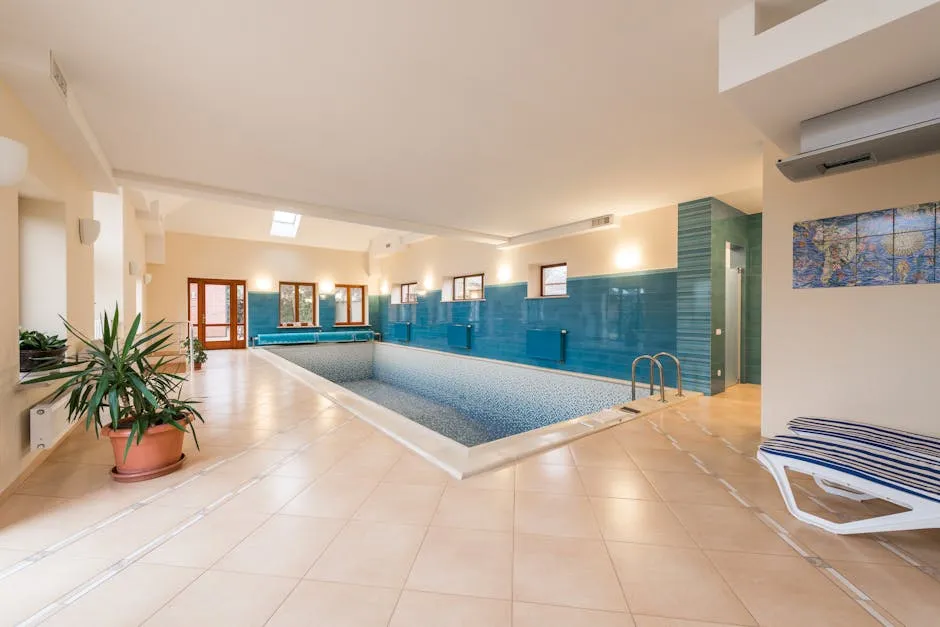
Understanding Indoor Tiles for Swimming Pool Use
When considering renovations or new installations, many ask, “can indoor tiles be used in pool areas?” This question is vital for homeowners in Montreal who want to ensure durability and aesthetic appeal. Indoor tiles for swimming pool applications must meet specific requirements to withstand constant moisture and chemical exposure. Additionally, learning about swimming pool tile options will help you make an informed decision for your pool project. We will explore key considerations to determine if indoor tiles are a proper fit for pools in this region.
Indoor tiles designed for standard indoor use usually lack the water resistance and slip resistance necessary for pool environments. Swimming pool tile types are often crafted with specialized materials that endure chlorinated water and prevent surface slipping. Understanding the differences between indoor vs outdoor pool tiles is essential before applying indoor tiles in such wet environments. Without proper specifications, such tiles might deteriorate or cause safety hazards over time.
Choosing the right tile involves comparing performance characteristics of indoor and outdoor variants. Outdoor pool tiles typically feature higher durability against weather and water chemicals, which is a critical factor in pool construction. Indoor options may fail under these conditions if they don’t meet standards. Thus, distinguishing between these tile types helps avoid costly repairs and replacements later.
An example of improper use is when ceramic tiles intended for dry rooms are installed in pool decks. Homeowners in Montreal may face peeling, cracking, or mold growth. Meanwhile, swimming pool tile options such as glass mosaic, porcelain, and natural stone tiles offer enhanced durability and aesthetic value. Their adaptation to pool environments ensures long-lasting results.
In conclusion, understanding indoor tiles for swimming pool suitability is the first step before selection. Knowing their limits and comparing to proper pool tiles aids in choosing the best option. This insight leads us to examine specific outdoor tile features that better suit pools next.
Key Differences Between Indoor and Outdoor Pool Tiles
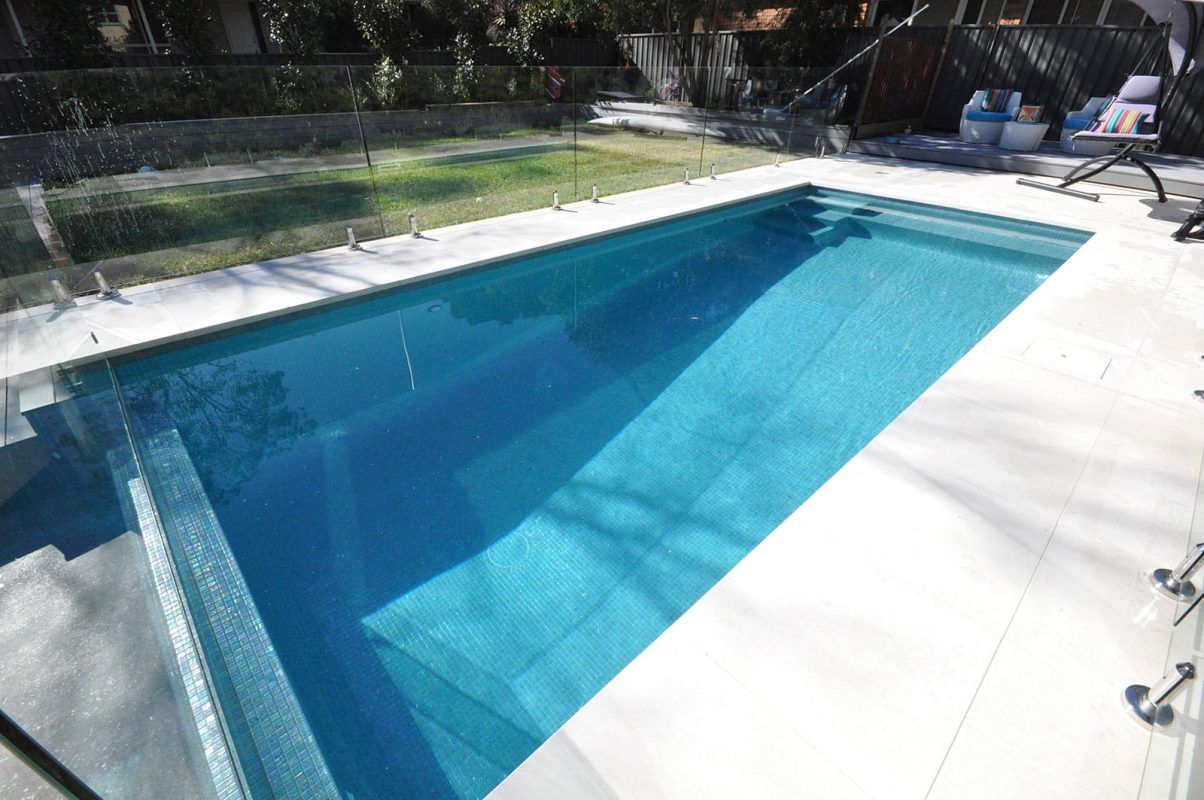
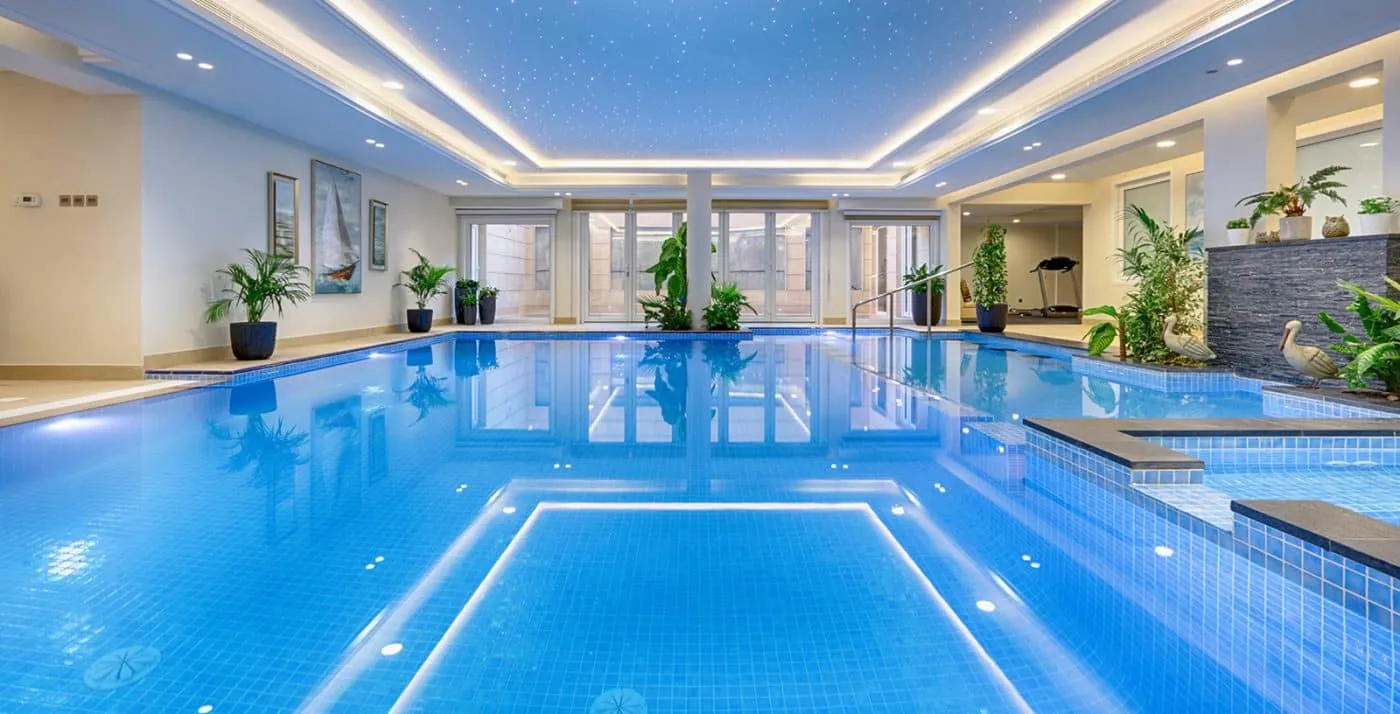
Knowing the difference between indoor vs outdoor pool tiles is crucial when deciding on your pool’s tiling. The main purpose is to clarify why indoor tiles are generally unsuitable for swimming pools. Montreal pool owners must consider environmental factors and usage demands that outdoor tiles handle better. This section clarifies the distinct features that set outdoor pool tiles apart.
Outdoor pool tiles are manufactured with enhanced water absorption limits and slip-resistant textures. These features protect surfaces from water damage and provide safety during wet conditions. Indoor tiles typically focus more on aesthetics and less on these technical specifications, making them less ideal for poolside applications. The durability standards required for outdoor installation are simply not met by many indoor options.
These differences impact longevity and maintenance. Outdoor pool tiles are resistant to chlorine, UV rays, and temperature fluctuations found in pools. Indoor variants may absorb water, causing premature degradation when exposed to these elements. Furthermore, pool tile types such as glass and porcelain emphasize low porosity, a characteristic critical for outdoor pool installations, unlike several indoor tile materials.
For instance, using some indoor tiles in pool areas might cause slipping hazards due to lack of adequate surface grip. Many outdoor tiles come with certified anti-slip ratings designed specifically for wet environments. This safety aspect is an important consideration for public pools and private swimming spaces in Quebec regions.
Understanding the differences between indoor vs outdoor pool tiles helps in selecting the right material. Next, we will explore practical pool tile types suitable for any swimming pool setup in Montreal to guide appropriate choices.
Popular Pool Tile Types Suitable for Montreal Pools
Exploring various pool tile types provides insight into the best options for durability and style in Montreal. Knowing these options assists homeowners and designers when evaluating if indoor tiles for swimming pool applications meet necessary standards. This section outlines popular tile types that combine beauty with functionality.
Glass mosaic tiles are favored for their vibrant colors and resistance to chemicals, making them a top swimming pool tile option. Porcelain tiles are another popular choice due to their strength and low water absorption rates. Natural stone tiles offer a unique aesthetic but require sealing to maintain their performance in wet conditions. Each type offers unique benefits tailored to different pool designs and climates.
Comparing these options highlights their suitability for pools compared to using general indoor tiles. Glass mosaics, for example, reflect light beautifully underwater and resist fading. Porcelain adds a smooth and consistent finish that handles heavy foot traffic well. Stone tiles can add a natural touch fitting for outdoor pool installations, especially in Quebec’s changing climate.
A practical example is a Montreal homeowner who selected porcelain tiles with a textured surface for slip resistance around their pool. This choice balanced safety, durability, and appearance perfectly. These pool tile types withstand the indoor and outdoor conditions of Quebec, unlike many indoor-designated tiles which may fail prematurely.
Understanding these popular pool tile types encourages choosing materials designed for pool environments. To maximize tile performance, knowing specifications that matter most in swimming pools is essential, which is our next focus.
Tile Specifications That Matter Most in Swimming Pools

Familiarity with key tile specifications helps homeowners decide on appropriate waterproof tiles for swimming pools. This knowledge reinforces why simply using indoor tiles in pool projects may not be feasible. Montreal pool owners benefit from understanding vital quality indicators when selecting pool tiles to ensure longevity and safe use.
Specifications such as water absorption rate, slip resistance, and chemical resistance determine a tile’s pool suitability. Tiles with low water absorption prevent damage caused by chlorinated water. Slip resistance reduces accident risks on wet surfaces. Chemical resistance ensures tiles endure constant chlorine exposure without deterioration. These metrics distinguish swimming pool tile options designed to stand up to pool environments.
Further expanding on these factors reveals their impact on maintenance and aesthetics. High slip resistance not only prevents accidents but also limits algae growth by reducing water pooling. Chemical resistance maintains color and structural integrity, preserving the tile’s beauty. Indoor tiles typically lack these stringent specifications, leading to poor pool performance.
A Montreal installer recommended checking tile specifications before purchase to avoid costly mistakes. They referred to the detailed guidelines on what tile specifications matter most in swimming pools. Homeowners following these recommendations experienced better durability and safety, validating the importance of specification awareness in tile choice.
Overall, understanding these tile specifications guides informed decisions. The final section discusses the practicality and aesthetics of using indoor tiles for swimming pool projects in Montreal.
Practical Considerations for Using Indoor Tiles in Swimming Pools
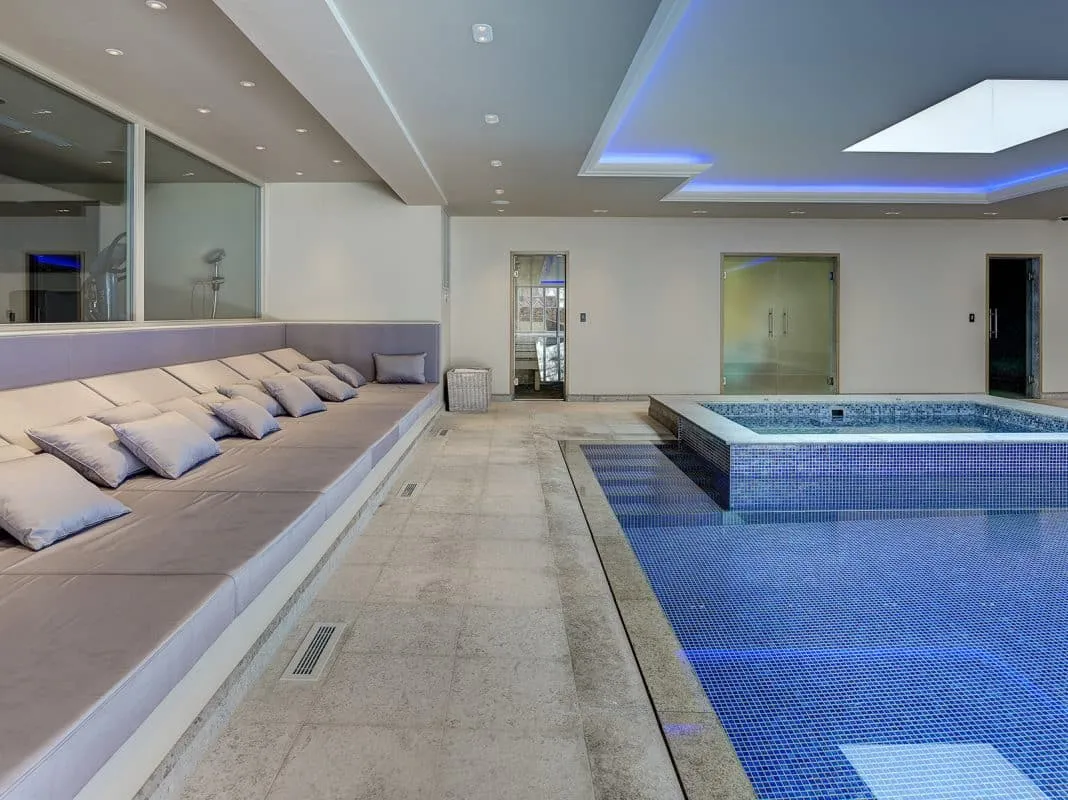
Many ask, “can indoor tiles be used in pool projects practically?” While a tempting cost-saving option, using such tiles in pool environments often leads to functional and safety concerns. Montreal residents must weigh these considerations carefully as local climate and pool use impact tile performance. This section reviews practicalities to guide your decisions.
Indoor tiles usually lack the durability, chemical resistance, and slip resistance mandated for pools. Their use can result in tile peeling, surface hazards, and costly repairs over time. On the other hand, selecting proper swimming pool tile options designed for aquatic settings avoids these issues altogether. This practical approach ensures your swimming pool retains beauty and safety for years.
In terms of style, indoor tiles might offer more varied designs but sacrificing pool-specific function is risky. Outdoor or pool-specific tiles marry aesthetic and technical properties. Indoor tiles used in pools generally do not meet Canadian Pool Tile Association standards or perform well under frequent pool water exposure.
For example, a Montreal homeowner tried using indoor ceramic tiles in their pool but faced rapid tile loosening due to water penetration. Switching to approved pool tiles solved the problem and improved overall satisfaction. For detailed further reading about tile types specifically for various swimming pools, visit types of swimming pool tiles.
To conclude, while indoor tiles might seem convenient, their practicality in pool environments is limited. Choosing tiles purpose-made for swimming pools, considering the Montreal context, guarantees better safety, durability, and beauty.
Maintenance Tips for Pool Tiles in Montreal
Proper maintenance extends the life of your swimming pool tiles, whether indoor or outdoor types are used. Montreal’s climate and water quality necessitate specific care strategies for pool owners. This section provides practical maintenance tips for those wanting to preserve tile conditions and aesthetics over time.
Regular cleaning of pool tiles prevents buildup of algae, minerals, and residues common in Quebec’s water systems. Using appropriate pool-safe cleaning agents protects the tile surfaces from damage. Inspecting tiles for cracks or loose sections during seasonal changes is vital to prevent water infiltration behind tiles.
Using sealants on natural stone tiles enhances water resistance and prevents stains. For glass and porcelain tiles, routine brushing and water circulation maintain a clean, safe pool environment. Following these maintenance steps reflects on the tile types’ performance and ensures their designed durability benefits are realized.
In one example, a Montreal pool owner implemented a bi-weekly cleaning routine using recommended products and noticed significant improvement in tile longevity and pool appearance. This proactive approach aligns with the advice found in professional pool tile maintenance resources.
Overall, regular maintenance, guided by tile specifications and local conditions, preserves your swimming pool tile investment and keeps your pool safe and visually appealing throughout the year.
- Clean pool tiles regularly to prevent algae and mineral deposits.
- Use non-abrasive, pool-safe cleaning products to protect tile surfaces.
- Inspect tiles for damage during seasonal changes to catch issues early.
- Seal natural stone tiles periodically to maintain water resistance.
- Ensure proper water circulation to minimize residue buildup on tiles.
- Consult professional resources for tailored maintenance advice based on tile type.
