

Maintenance, Cleaning & Longevity, Specs, Materials & Technical Decisions
Are Glass Tiles Slippery in Pools?
Aug
Understanding Glass Tiles for Pools
Glass tiles for pools offer a beautiful and modern aesthetic. Many pool owners in Montreal choose these tiles to enhance their outdoor space. However, safety concerns such as slipperiness are common questions. This section explores whether glass tiles are slippery and what to expect when used in pools. The goal is to provide clarity for anyone considering glass pool tiles.
Glass tiles are made from tempered glass and come in various finishes. Their smooth surface can sometimes appear slick, but not all glass tiles behave the same when wet. The safety of these tiles depends on their texture and the coating applied during manufacturing. Understanding these factors helps in deciding their suitability for pool areas.
In contrast to traditional ceramic tiles, these tiles reflect light uniquely, enhancing pool water’s appearance. Despite this, the risk of slippery tiles is a concern because smooth surfaces lack traction. Comparison with other materials shows the importance of specialized designs made for non slip pool tiles.
For example, textured or frosted glass tiles provide better grip than polished ones. Pool owners in Quebec often select these options to improve safety without sacrificing style. Choosing the right type balances aesthetic appeal and pool tile safety. This awareness aids in making informed decisions about durable, attractive pool surfaces.
Overall, understanding the characteristics of tiles in pools opens the way to safe installations. This foundation prepares us to explore specific safety features and solutions for slipperiness in the following sections.
Assessing Are Glass Tiles Slippery in Pool Environments
This section dives deep into the key question: are glass tiles slippery when used in pools? Many pool owners worry about accidents caused by slick surfaces. Here, we analyze factors influencing slipperiness and how they behave under wet conditions. This will guide safe pool design choices in Montreal.
The slipperiness depends largely on surface finish and environmental factors. While smooth options can be slippery, many manufacturers offer textured surfaces or anti-slip coatings. Such modifications increase traction and reduce slip risk. Knowing these details helps evaluate the real safety of glass pool tiles.
Environmental factors like water chemistry, algae growth, and pool usage conditions also affect slipperiness. For example, tiles in shaded or less circulated areas might get slippery due to algae. Therefore, maintenance and appropriate tile choice are crucial. This understanding highlights non slip tiles as essential for safe pool areas.
For instance, pools in Quebec subjected to colder temperatures may require specific treatments to prevent surface wear that increases slipperiness. This shows that location-based factors influence pool tile safety and material performance. These nuances offer a practical perspective on choosing tiles in diverse climates.
Considering slipperiness in pools moves us toward exploring how to select the right tiles to maximize safety, which is covered in the next section.
Selecting Safe Glass Pool Tiles
Selecting safe glass pool tiles requires knowledge about materials, finishes, and standards for pool tile safety. Pool owners in Montreal must consider non slip options to minimize the risk of slips and falls. This section promises guidance on factors to look for when choosing glass tiles for pools.
Key criteria include texture, slip resistance ratings, and durability against pool chemicals. Certified pool tiles often bear marks indicating compliance with safety standards. Understanding these factors helps owners assess if a tile meets both aesthetic and functional needs. This empowers better decision-making for pool safety.
Comparison with other tile options reveals that some glass tiles outperform ceramics in slip resistance due to advanced coatings. However, the installation process must ensure proper surface preparation for lasting performance. Pool tile safety is enhanced by following manufacturer specifications and professional advice.
As an example, resourceful pool owners can review detailed slip resistance data and product certifications while sourcing tiles. Additionally, consulting local pool tile experts in Quebec supports finding the best glass tiles for pools that merge style with safety. This approach benefits anyone prioritizing secure swimming environments.
Next, we’ll examine installation techniques that contribute significantly to reducing slipperiness risks in pools.
Installation Best Practices
Proper installation is critical for ensuring pool tile safety and addressing slipperiness concerns. As Montreal residents seek durable solutions, understanding installation best practices becomes vital. This section highlights key steps to guarantee safe setups.
Installation involves surface preparation, use of correct adhesive, and grout selection compatible with pool conditions. Properly installed tiles offer better grip and reduce hazards. Knowledge of these elements helps prevent common issues like tile cracking or uneven surfaces that can elevate slip risks.
Moreover, specific techniques such as using textured bedding mortar and slip-resistant grout can improve overall traction. These measures maintain pool tile safety even under heavy use. Considering environmental factors like temperature fluctuations in Quebec further guides installation choices for long-lasting results.
For example, following expert advice as detailed in external guidelines on preventing tile cracking during installation is beneficial. Adhering to these practices protects the investment and enhances user safety around pools. Integrating this approach supports safer glass pool tiles application.
With installation methods clarified, we turn next to maintenance tips that preserve the integrity and safety over time.
Maintaining Safety and Longevity of Glass Tiles for Pools
Maintaining tiles ensures continued pool tile safety and aesthetic appeal. Pool owners in Montreal benefit from practical maintenance routines that address slipperiness regularly. This section outlines effective strategies to keep glass pool tiles safe and durable.
Routine cleaning prevents algae buildup and residue that can make slippery pool tiles hazardous. Using gentle, non-abrasive methods preserves tile surfaces and coatings. Additionally, periodic inspection helps identify wear or damage needing prompt repair to avoid unsafe conditions.
Environmental factors such as Quebec’s seasonal changes mean pool tile safety may fluctuate. Adjusting maintenance schedules accordingly supports optimal conditions year-round. Protective treatments may also be reapplied to enhance non slip pool tiles properties.
For instance, maintaining clear water chemistry reduces tile surface deposits, lowering slip risks. Pool owners can find detailed advice and product recommendations through trusted local suppliers. This proactive maintenance approach extends the life and safety of glass pool tiles.
Finally, integrating these maintenance habits complements purchasing and installation efforts, forming a comprehensive strategy for safe, attractive pool areas. The next section will summarize key points and provide actionable takeaways for readers.
Conclusion: Ensuring Safe Use of Glass Tiles for Pools
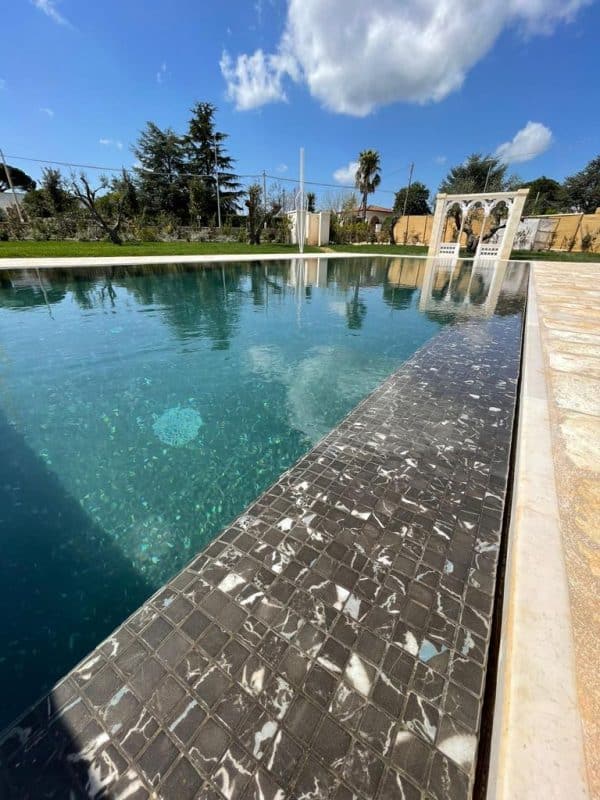
In conclusion, glass tiles for pools can be safe and non slippery if chosen and maintained properly. Pool owners in Montreal must consider pool tile safety factors from selection through maintenance. This overview consolidates the vital information shared in prior sections.
The slipperiness of glass pool tiles depends on surface texture, installation quality, and upkeep. Selecting non slip pool tiles designed for wet environments makes a significant difference. Combining this with expert installation and regular maintenance maximizes safety benefits.
Furthermore, using resources like detailed guides on slip-resistant pool tiles supports informed choices. Staying aware of environmental influences in Quebec enriches this approach. The payoff is a beautiful, safe pool that invites enjoyment without worry.
To help readers implement these insights, here are practical tips:
- Choose textured or certified non slip glass tiles for your pool.
- Hire professionals familiar with local conditions for installation.
- Maintain clean tile surfaces to prevent algae and residue buildup.
- Monitor and repair tile damage promptly.
- Consult trusted resources for product recommendations and safety standards.
By applying this comprehensive guidance, pool owners achieve a secure swimming environment using elegant glass pool tiles. For more information on avoiding installation issues, consider expert advice on preventing tile cracking during installation. This concludes the detailed exploration of are glass tiles slippery in pools, empowering you with confident, safe choices.
