Epoxy Grout
Pool Grout Color Mistakes That Change Water Color

Apr
Best Grout Color for Your Pool: Enhance Your Pool’s Look and Feel
When designing or renovating a swimming pool, tile selection often takes center stage, but an equally important choice is the best pool grout color. While grout may seem like a minor detail, it plays a crucial role in the overall aesthetics, durability, and maintenance of your pool. The right grout color can either blend seamlessly with your tile or create a bold contrast that highlights your pool’s design.
From complementing your tile color and pool style to ensuring easy maintenance and long-term durability, choosing the right pool grout color requires careful consideration. In this guide, we’ll explore key factors, material options, and expert tips to help you make the best decision.
How Tile Color Affects the Best Pool Grout Color

The color of your tile should be the first consideration when selecting grout. The right grout color can either enhance the natural beauty of your tiles or create a contrasting effect that adds depth and definition.
- Matching grout with tile color – Creates a seamless, uniform appearance, making the pool look larger and more cohesive.
- Contrasting grout color – Highlights individual tiles, emphasizing patterns, shapes, and design details.
For example, light-colored tiles paired with dark grout create a striking contrast, making each tile stand out. On the other hand, light grout with light tiles offers a subtle, blended effect, ideal for a minimalist aesthetic.
Before making a final choice, view grout samples next to your pool tiles under different lighting conditions. Sunlight, shade, and water can alter the perception of color, impacting the final look of your pool.
Choosing a Grout Color That Complements Your Pool’s Style
Your pool’s overall design and setting should influence your grout color selection. Different styles work better with specific grout shades.
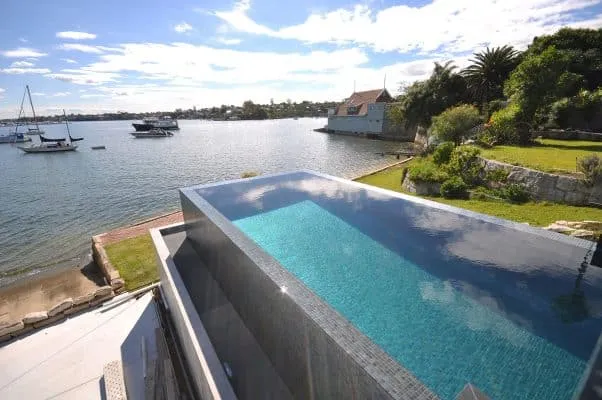
- Modern pools – Often feature neutral tones like white, gray, or black grout, enhancing a sleek, minimalist look.
- Natural or tropical pools – Work well with earthy tones such as beige, sand, or light gray grout, blending with the surroundings.
- Classic pools – Traditionally use white or light blue grout to maintain a timeless, clean aesthetic.
- Mosaic or patterned tile pools – Benefit from contrasting grout colors, making intricate designs stand out.
If you’re unsure which option best suits your pool, consult a pool design expert to find a shade that enhances your pool’s unique style and surrounding landscape.

Prioritizing Maintenance When Selecting a Pool Grout Color
The grout color you choose can significantly affect how clean your pool looks over time. Some shades hide dirt and stains better than others, making maintenance easier.
- Darker grout – Conceals stains and dirt, but can fade over time due to sun exposure and pool chemicals.
- Lighter grout – Keeps the pool looking bright and fresh, but may show stains, algae, or discoloration more easily.
- Neutral grout shades (gray, beige, tan) – Offer a balanced approach, reducing the visibility of stains while maintaining a natural look.
To ensure longevity, choose high-quality, stain-resistant grout and apply a protective sealer to prevent discoloration.
Epoxy Grout: The Best Choice for Pool Durability
Not all grout types perform well in wet environments. Epoxy grout is considered the best option for swimming pools due to its superior durability and low maintenance requirements.
Benefits of Epoxy Grout for Pools
- Waterproof & Non-Absorbent – Unlike cement-based grout, epoxy grout does not absorb moisture, preventing mold, mildew, and algae growth.
- Stain & Chemical Resistant – Withstands exposure to chlorine, pool chemicals, and UV rays without fading or discoloration.
- Long-Lasting & Crack-Resistant – Maintains its strength and color for years without cracking or crumbling.
- Minimal Maintenance – Requires less cleaning and resists staining and discoloration.
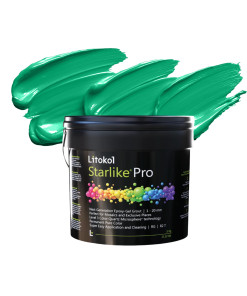
A premium epoxy grout, such as Starlike® EVO, offers both structural strength and aesthetic appeal, keeping your pool tiles intact and pristine for years.
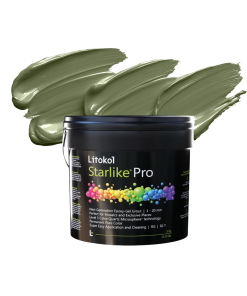
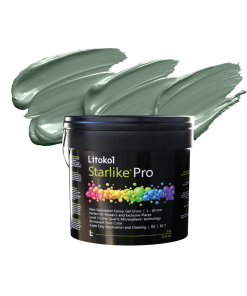
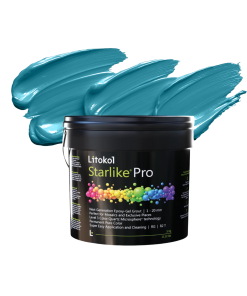
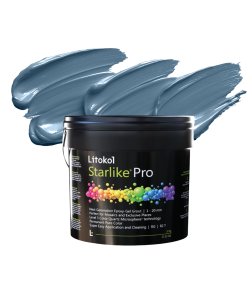
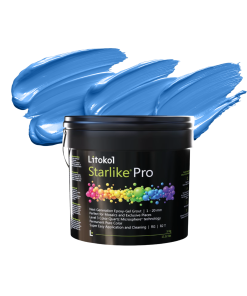
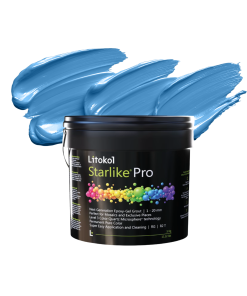
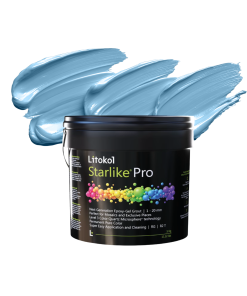
Testing Grout Colors with Samples Before Deciding
Before finalizing your pool grout color, it’s essential to test different shades with your tiles. Viewing grout samples in different lighting conditions ensures your choice complements your tile and water appearance.
- Check grout samples dry and wet to see how they interact with your tile.
- Place samples under natural sunlight and artificial pool lighting.
- Consider how grout looks when submerged, as water can slightly alter color perception.
Many tile and grout manufacturers offer sample kits, allowing you to make an informed decision before installation.


Climate Considerations for Pool Grout Longevity
If you live in a hot or sunny climate, selecting a UV-resistant grout is crucial. Prolonged sun exposure can cause some grout colors, especially darker shades, to fade over time.
- Lighter grout colors may be prone to yellowing or discoloration due to chemical exposure.
- Darker grout colors can absorb heat, making surfaces hotter underfoot.
- Epoxy grout formulas offer superior UV protection, preventing discoloration in harsh conditions.
For extreme weather conditions, choose a high-performance, weather-resistant grout to maintain color integrity and durability.
Final Thoughts: Choosing the Best Pool Grout Color
Selecting the best pool grout color is an important step in creating a cohesive, stylish, and long-lasting swimming pool design. The right grout shade enhances tile aesthetics, simplifies maintenance, and withstands environmental factors.
To make the best decision, consider:
• Tile color – Choose a matching or contrasting grout to complement your pool’s design.
• Pool style – Select a shade that fits your overall aesthetic.
• Maintenance needs – Opt for colors that reduce stain visibility.
• Climate impact – Use UV-resistant grout to prevent fading.
• Material choice – Epoxy grout ensures the best longevity and durability.
By carefully selecting the best pool grout color, you’ll enhance your pool’s beauty, functionality, and longevity.
Ready to elevate your pool design? Order a grout sample today and experience the difference in quality and style.