


May
Preventing Odors in Grout – Keep Grout Fresh and Odor-Free
Preventing odors in grout is essential to maintaining a clean, fresh-smelling home. Grout lines, commonly found in bathrooms, kitchens, and tiled floors, can trap moisture, dirt, and bacteria, leading to unpleasant smells if not properly cleaned and maintained. If you have ever noticed a persistent musty or sour odor, your grout may be the source of the problem.
Because grout is porous, it absorbs spills, mildew, and bacteria, allowing odors to settle deep within its surface. Simply mopping the floor is not enough to remove odors from grout, as dirt and bacteria get embedded in grout lines over time. Preventing odors in grout requires a combination of deep cleaning, sealing, and proper maintenance to ensure your home stays fresh and odor-free.
Why Does Grout Trap Odors?
Understanding why grout absorbs odors is the first step in preventing odors in grout. Unlike tile surfaces, which are non-porous, grout has tiny openings that allow moisture and bacteria to settle in. This creates the perfect environment for mold, mildew, and bad smells to develop.
The Most Common Causes of Grout Odors
- Spills and Stains – Liquids such as coffee, grease, and food seep into grout, leaving behind trapped odors.
- Excess Moisture – Bathrooms and kitchens have high humidity, leading to mold and mildew buildup in grout lines.
- Bacteria Growth – Organic matter from spills and soap scum can cause bacteria to multiply, resulting in unpleasant odors.
- Lack of Sealing – Unsealed grout is more absorbent, allowing odors, dirt, and moisture to penetrate deeply.
By recognizing these factors, you can take proactive steps toward preventing odors in grout before they become a persistent issue.
How to Remove Odors from Grout
If you already have grout odors, you need more than basic surface cleaning. Below are some of the best methods for removing embedded bacteria, mildew, and odors from grout.
1. Deep Clean with Baking Soda and Vinegar
:max_bytes(150000):strip_icc()/using-baking-soda-sodium-bicarbonate-and-white-vinegar-for-home-cleaning--white-vinegar-in-spray-bottle-and-baking-soda-in-glass-jar--1218750099-f72602f5daad46538305730fd9b10ae5.jpg)
One of the most effective ways for preventing odors in grout is by using baking soda and vinegar, which help neutralize odors and remove bacteria naturally.
Steps:
- Mix baking soda and water into a thick paste.
- Apply the paste to grout lines, covering all affected areas.
- Let it sit for 10–15 minutes to allow the mixture to break down trapped dirt and bacteria.
- Spray vinegar over the baking soda paste and let it bubble for a deep-cleaning reaction.
- Scrub with a grout brush to remove debris.
- Rinse with warm water and dry thoroughly.
This method is safe and effective for light odors and stains, but for more persistent grout odors, a stronger solution may be needed.
2. Use Hydrogen Peroxide for Deep Odor Removal

Hydrogen peroxide is an antibacterial powerhouse that helps with preventing odors in grout by eliminating mold, mildew, and bacteria that may be embedded deep in the grout lines.
Steps:
- Mix equal parts hydrogen peroxide and water in a spray bottle.
- Spray the solution directly onto grout lines and allow it to sit for 5–10 minutes.
- Scrub the grout with a grout brush to loosen trapped bacteria.
- Rinse thoroughly and dry the area to prevent moisture buildup.
Hydrogen peroxide is especially useful in bathrooms, where moisture levels are high, making mold and mildew common culprits of grout odors.
3. Steam Cleaning for Long-Lasting Freshness
Steam cleaning is an excellent option for preventing odors in grout, as it penetrates deep into grout pores to eliminate odor-causing bacteria and mold.
Steps:
- Use a high-temperature steam cleaner with a grout brush attachment.
- Slowly pass the steam nozzle along the grout lines to break down bacteria and dirt.
- Wipe away loosened debris with a microfiber cloth.
This method works well for large tiled surfaces, such as kitchen floors, bathroom walls, and showers, and is a chemical-free way to keep grout fresh and odor-free.
Preventing Odors in Grout: Long-Term Solutions

Once grout is clean and odor-free, the next step is to prevent odors from returning with proper sealing and maintenance techniques.
1. Seal Your Grout to Prevent Odors and Moisture
Applying a grout sealer is a key step in preventing odors in grout, as it blocks bacteria, spills, and moisture from penetrating grout lines.
How to Seal Grout Properly:
- Use a high-quality grout sealer that provides deep penetration.
- Apply with a brush or roller, ensuring full coverage.
- Let it dry for at least 24 hours before using the area.
- Reapply every 6–12 months to maintain effectiveness.
Sealing grout makes it more resistant to stains and moisture, helping to prevent odors before they start.
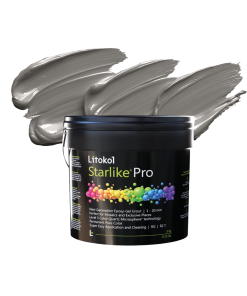
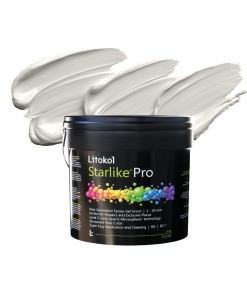
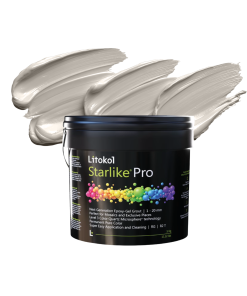
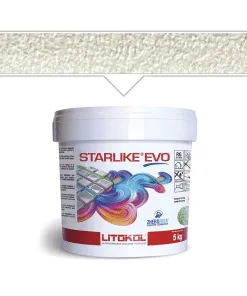
2. Upgrade to Epoxy Grout for Maximum Odor Resistance
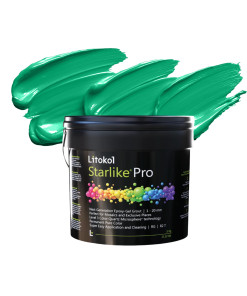
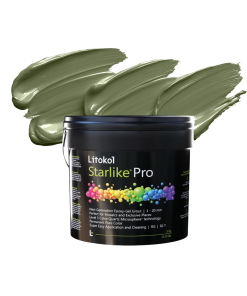
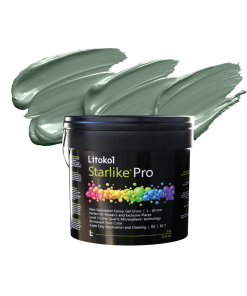
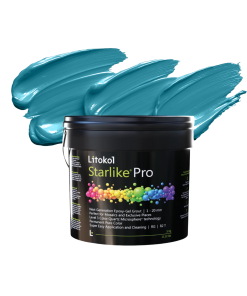
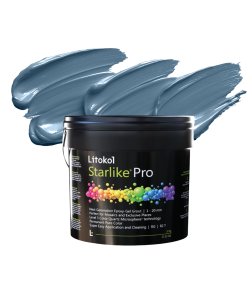
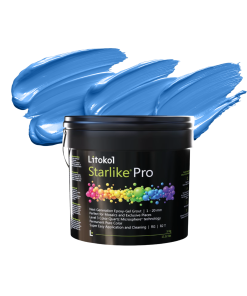
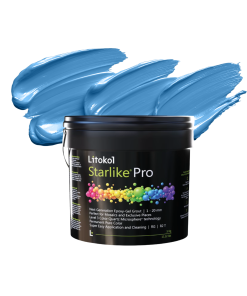
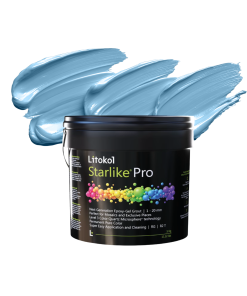
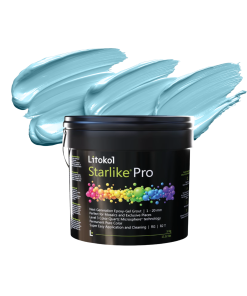
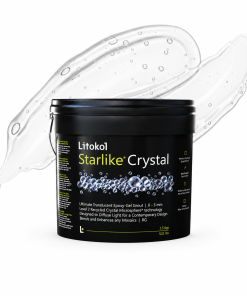
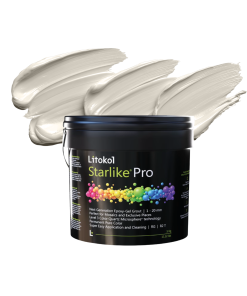
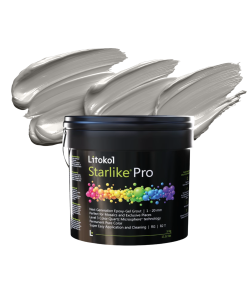
For a long-term solution, consider epoxy grout, which is completely non-porous and does not absorb moisture or bacteria.
Benefits of Epoxy Grout for Odor Prevention:
- 100% waterproof – Prevents bacteria and odors from forming.
- Mold and mildew-resistant – Ideal for humid areas like bathrooms and showers.
- Requires little maintenance – No need for sealing.
Though epoxy grout is more expensive initially, it eliminates odor problems permanently, making it a great investment for preventing odors in grout.



3. Maintain Grout Regularly to Keep It Fresh
Preventing odors in grout is an ongoing process. Routine cleaning helps avoid buildup and keeps grout looking and smelling fresh.
Grout Maintenance Tips:
- Wipe up spills immediately to prevent absorption.
- Mop with a pH-neutral cleaner weekly to remove surface residue.
- Scrub grout monthly using a grout brush and mild cleaner.
- Keep humidity low in bathrooms by using exhaust fans.
By following these preventative steps, you can keep grout odor-free and hygienic.
Final Thoughts – Keep Grout Fresh and Odor-Free
Preventing odors in grout requires regular maintenance, proper sealing, and effective cleaning techniques. By using the right methods, you can ensure that your grout stays fresh, clean, and odor-free for years to come.
Key Takeaways:
- Deep clean grout regularly using baking soda, vinegar, or hydrogen peroxide.
- Seal grout to prevent moisture absorption and odor buildup.
- Consider epoxy grout for a long-term, odor-proof solution.
- Maintain grout with routine cleaning and humidity control.
- Replace old grout when necessary to prevent permanent odor problems.
By following these steps, preventing odors in grout becomes effortless, leaving your home clean and fresh every day.
Looking for a long-term solution? Upgrade to epoxy grout for a fresh, odor-free home.
