

Pool Tile Selection & Comparison
What Is the Difference Between Pool Tile and Regular Tile?
Sep
Understanding Pool Tile vs Regular Tile
When comparing pool tile vs regular tile, it’s essential to understand their fundamental differences. This knowledge helps make informed decisions for pool installations. Pool tiles are designed specifically to endure harsh conditions around water. On the other hand, regular tiles serve general flooring or wall purposes but may not withstand aquatic environments.
Pool tiles are specially manufactured with materials that resist water penetration and chemicals commonly used in pools. Regular tiles, however, might absorb water, leading to damage over time. Additionally, pool tiles typically have texture designed to prevent slipping, unlike most regular tiles.
Comparing pool tile vs ceramic tile reveals notable differences in resistance and durability. Pool tiles include various types such as glass, porcelain, and natural stone designed for wet environments. Meanwhile, regular ceramic tiles often lack the durability and safety features needed near pools.
For example, Burnaby homeowners often choose pool tiles built to resist chlorine and freezing temperatures, which are common in British Columbia. Regular tile for pools is usually not recommended because they may crack or degrade rapidly under such conditions.
Recognizing these distinctions helps transition into selecting the right material. Choosing proper pool tiles aids in maintaining pool safety and aesthetics for a long time.
Material Differences Highlighting Comparison
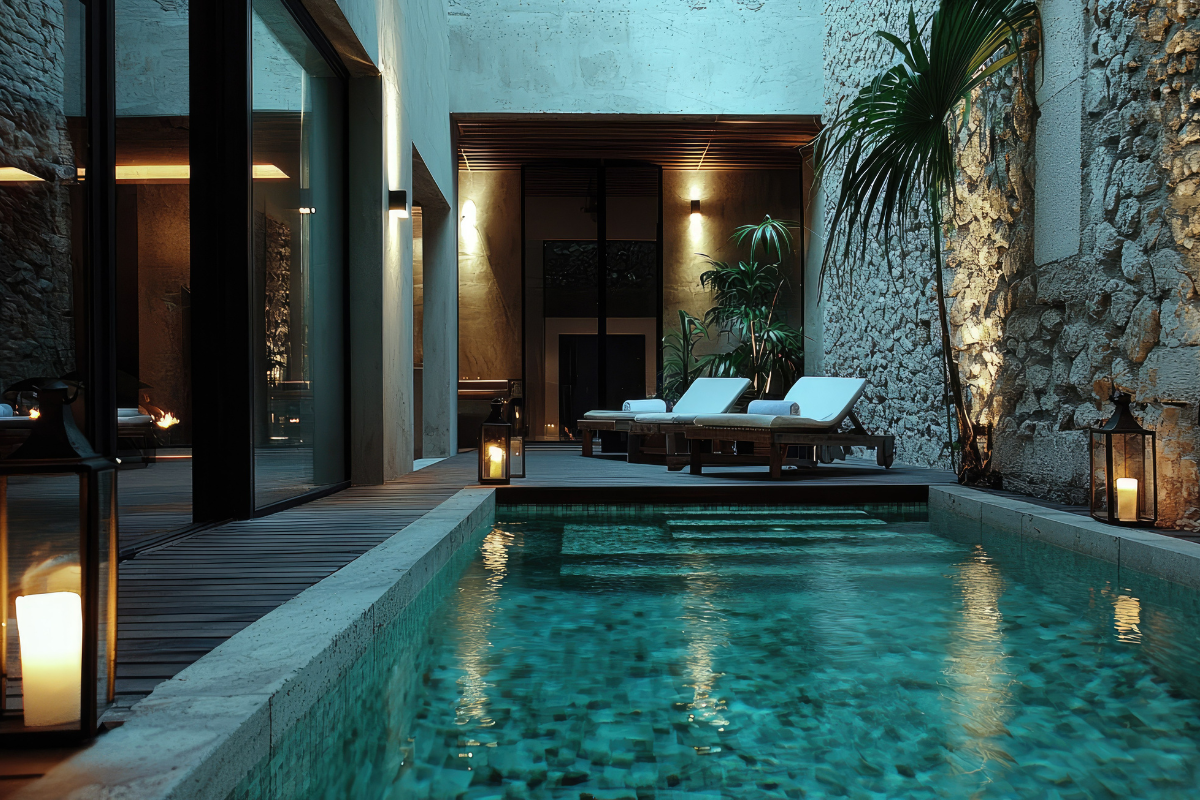
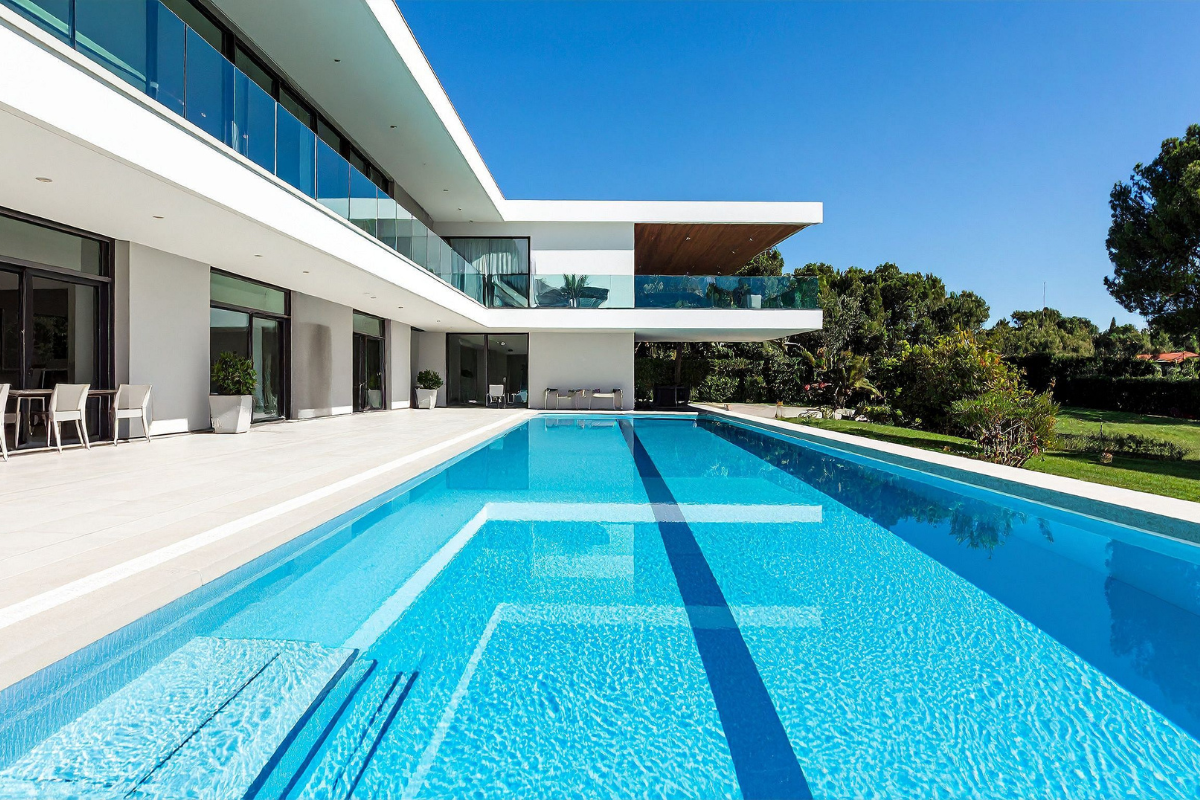
The pool tile comparison between types shows that pool tiles use materials optimized for aquatic durability. This distinction is critical for pools exposed to constant contact with water, sunlight, and chemicals. Regular tiles, by contrast, do not have this protection.
Pool tiles come in glass, porcelain, metal, and natural stone variations that each offer specific benefits. Glass pool tiles are popular for their vibrant colors and reflective properties. Porcelain tiles provide excellent durability, while natural stone offers unique aesthetic appeal with moderate maintenance.
In contrast, regular tiles are typically ceramic or porcelain but lack the specialized glazing or sealing necessary for pool environments. Such tiles might absorb moisture, which can lead to cracking or mold growth when submerged.
For those in Burnaby looking for long-lasting pool tile options, it is vital to consider these material differences. Choosing the proper pool tile ensures durability despite varying Canadian weather conditions.
These insights prepare us to explore specific types of pool tiles and their practical applications next.
Types of Pool Tiles and Their Applications
Exploring the types of pool tiles reveals options tailored to meet various design preferences and functional needs. Selecting from the right types impacts both pool safety and visual appeal significantly. The keyword pool tile vs regular tile applies particularly here as the distinct types vary widely.
Common types include glass mosaic tiles, porcelain tiles, natural stone tiles, and metal tiles. Glass mosaic tiles shine due to their vibrant colors and reflective shine, perfect for decorative pools. Porcelain tiles offer strength and low water absorption suited for pool walls and floors.
Natural stone adds a luxury feel to pools but requires sealing to resist water penetration. Metal tiles give modern pool designs an edge but need treatment against corrosion. None of these types usually align with conventional regular tiles not designed for aquatic use.
Pool owners in Burnaby often consult experts to determine which type best fits their pool environment. Such local knowledge is invaluable when considering British Columbia’s weather influences on tile longevity.
As we have reviewed different types, the next step involves examining key factors that distinguish pool tiles from regular tile for pools.
Key Factors Distinguishing Pool Tile from Regular Tile
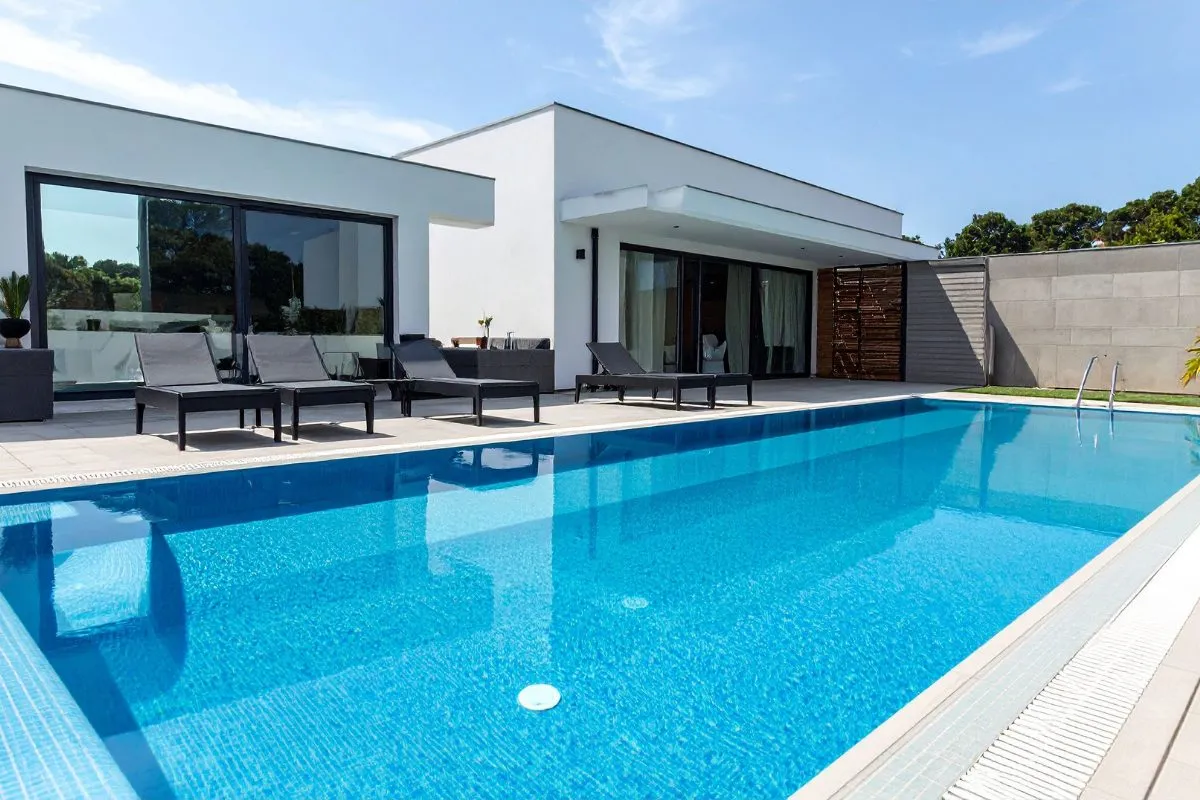
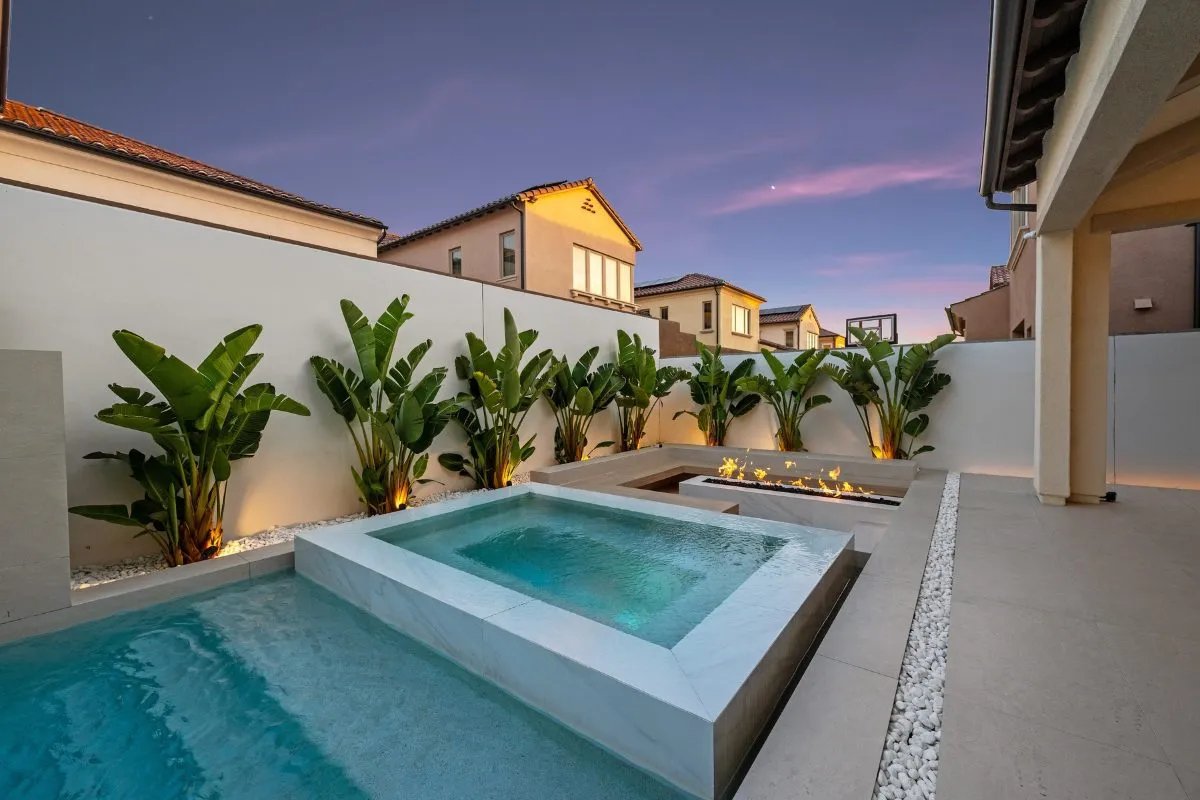
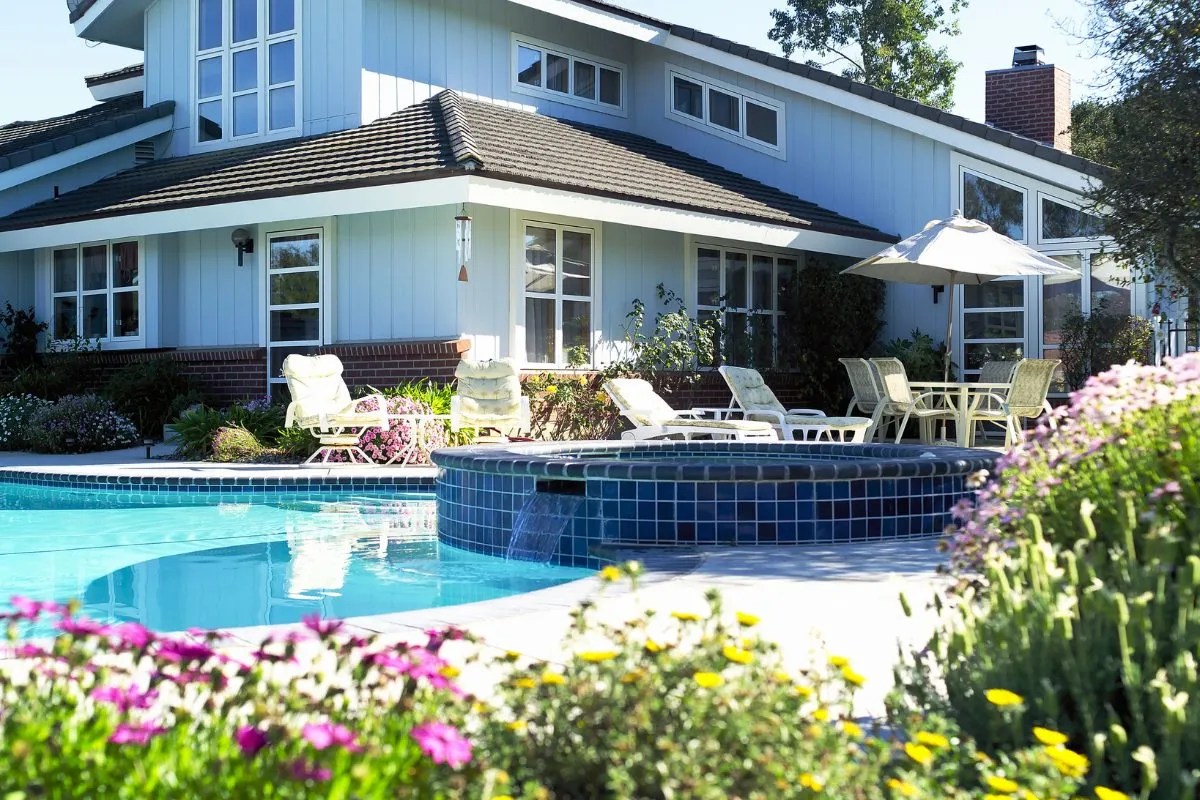
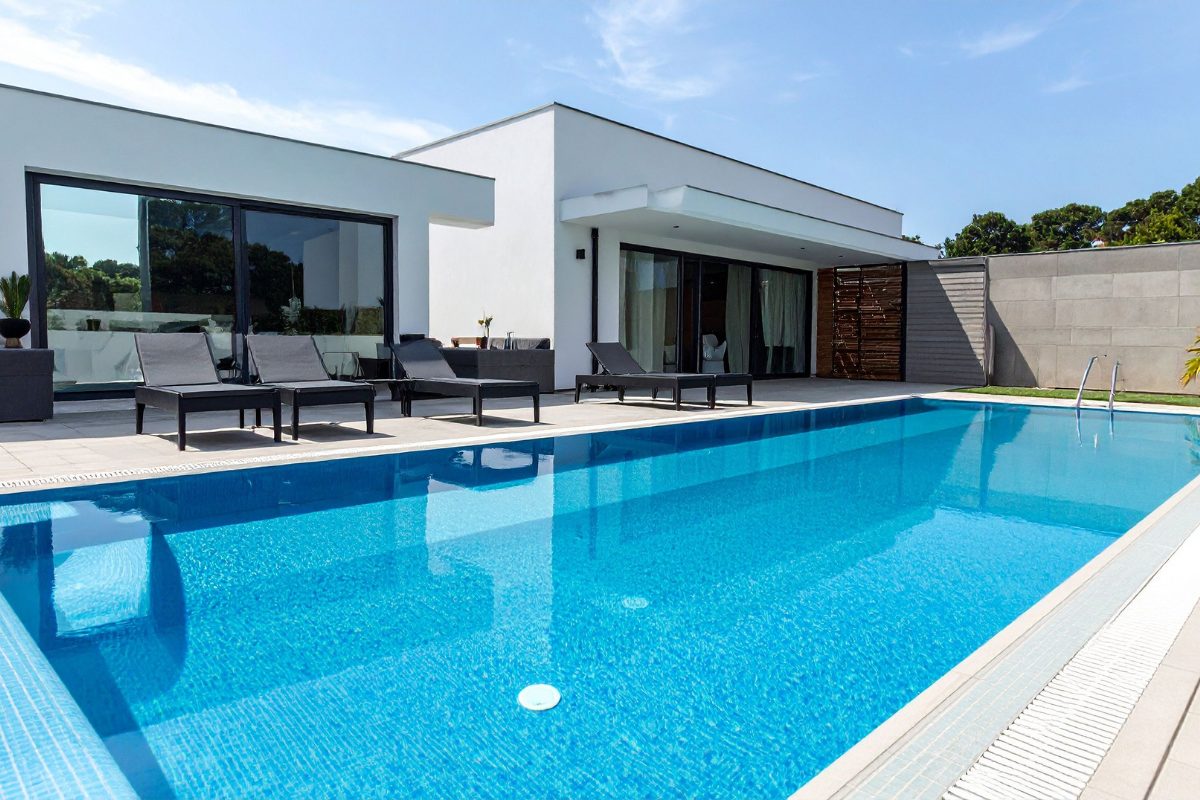
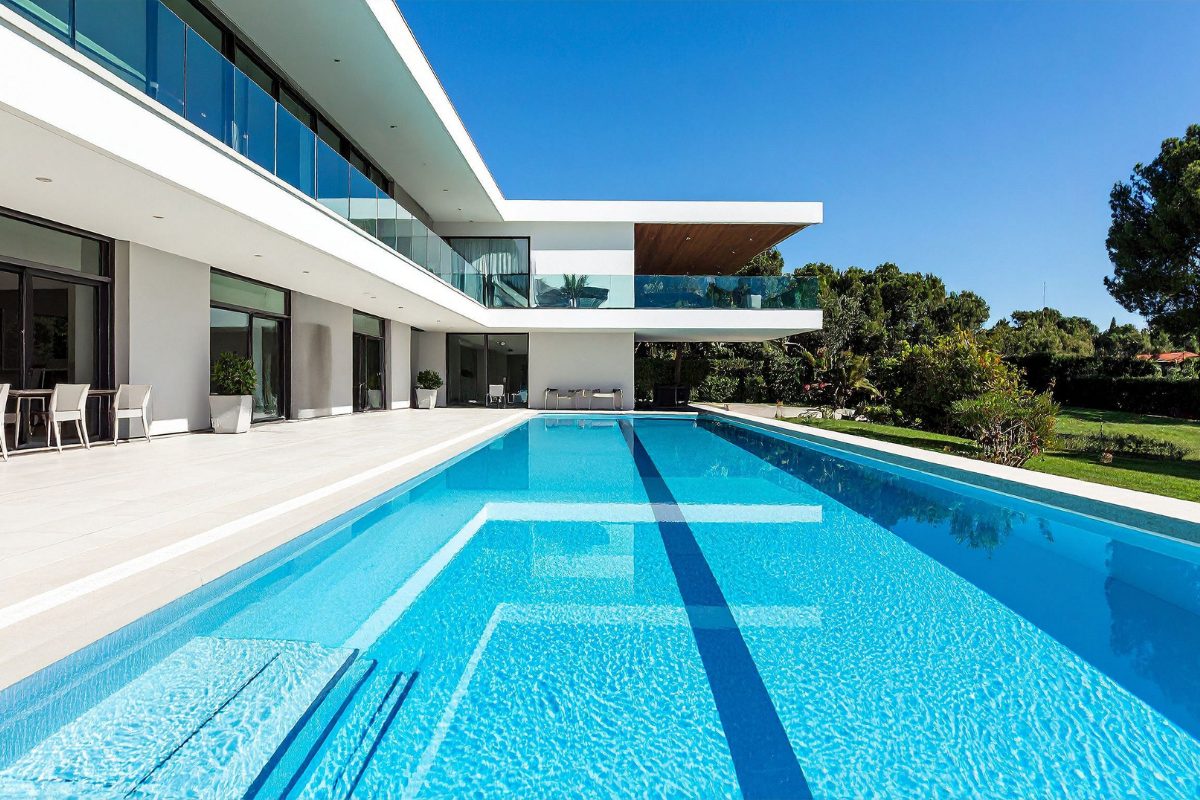
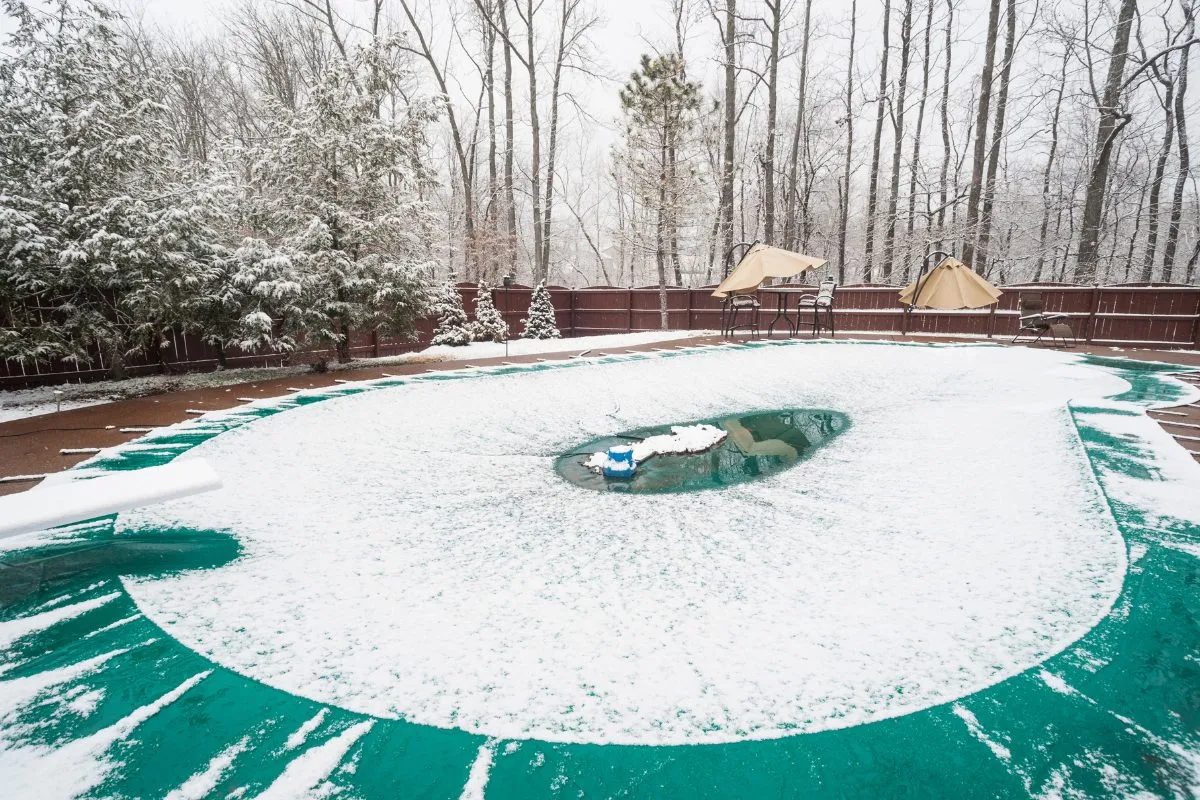
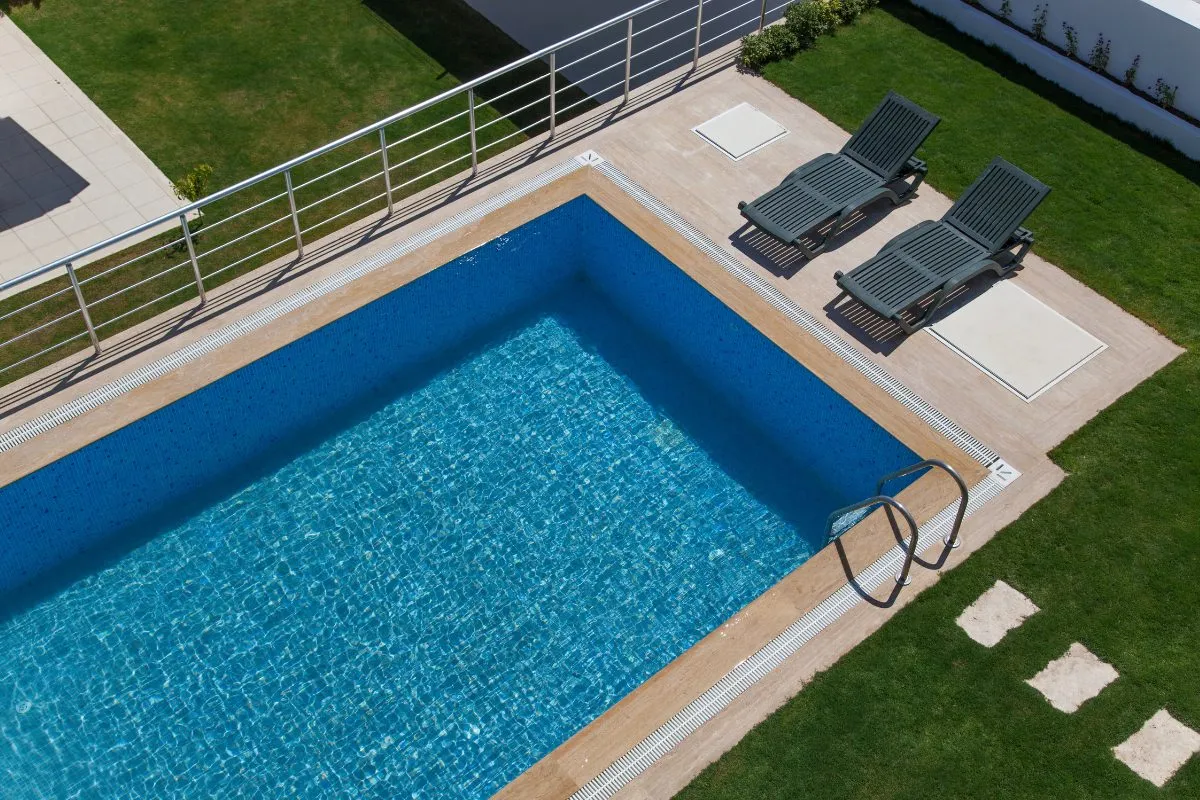
Several factors clarify the difference between pool tile and regular tile, guiding the best choices for pool renovation or construction. These factors focus on durability, water resistance, slip resistance, and maintenance.
Pool tiles boast higher water resistance compared to regular tiles, preventing water absorption that could cause damage. Moreover, pool tiles provide anti-slip surfaces, enhancing safety around wet pool areas. Regular tiles frequently lack this feature, increasing slip hazards.
Additionally, pool tiles withstand pool chemicals that can degrade normal tiles quickly. Their manufacturing standards also include frost resistance, crucial in regions like Burnaby where winter lows are common. Regular tiles might crack or chip under such conditions.
Users must also consider long-term maintenance: pool tiles usually require less frequent replacement and maintain appearance longer. This long-term benefit often outweighs the initial cost difference between pool tile vs ceramic tile or other regular varieties.
Understanding these factors prepares pool owners to compare costs and benefits more clearly, which we will discuss next.
Cost and Benefits of Pool Tile vs Regular Tile
When deciding between pool tile vs regular tile, evaluating cost against benefits is essential. This evaluation helps ensure that investments lead to durable and safe pool surfaces. Costs vary depending on material, installation complexity, and longevity.
Pool tiles generally have a higher upfront cost due to their specialized properties and manufacturing processes. However, their resistance to water, chemicals, and freeze-thaw cycles reduces maintenance and replacement expenses over time. Regular tiles appear cheaper initially but may demand frequent repairs.
Benefits include improved pool safety and aesthetic appeal, especially important in residential areas like Burnaby, British Columbia. Well-selected pool tiles can increase property value and reduce risks of slip-related injuries.
Homeowners and pool contractors can find additional detailed guidance on different types of swimming pool tile to aid decisions. For broader industry insights, consulting resources such as types of swimming pool tiles provides valuable information.
Considering both cost and durability leads to a well-informed decision aligning with individual pool needs. The choice significantly impacts pool longevity and user experience in any climate but particularly in areas with environmental challenges like Burnaby.
Practical Tips for Choosing the Right Pool Tile
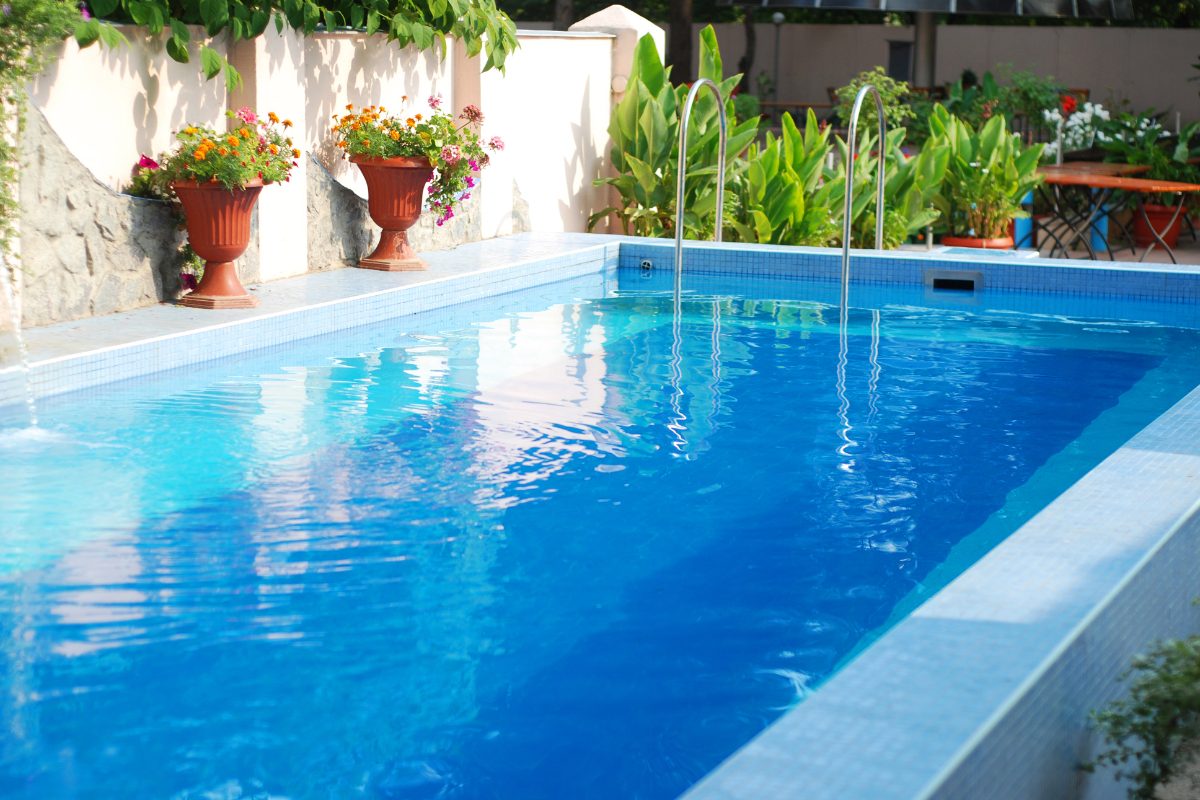
Choosing the right pool tile involves understanding essential characteristics that will suit your pool’s environment and usage. This process ensures that your pool remains safe, visually appealing, and durable. Practical tips highlight critical aspects relevant to making the best selection.
First, evaluate the pool location climate and usage frequency to select tiles that withstand local weather. In Burnaby, British Columbia, tiles must resist cold winters and frequent pool use. Selecting slip-resistant tiles minimizes accident risks around wet areas.
Second, consider the types of pool tiles for their water and chemical resistance properties. Choosing materials specifically designed for submerged and wet conditions helps avoid costly repairs. Color and style also matter for matching pool aesthetics.
Third, consult professional resources and suppliers for expert advice. The internal link to different types of swimming pool tile offers useful insights. Also, external resources such as types of swimming pool tiles assist in understanding modern tile innovations.
Following these tips ensures that your selection of pool tile supports both function and design, distinctively separating it from regular tile options. This careful decision ultimately benefits pool owners seeking lasting solutions suitable for their local environment.
Summary: Pool Tile vs Regular Tile
In conclusion, the pool tile vs regular tile comparison highlights significant material and functional differences. Pool tiles are engineered for water resistance, chemical durability, and safety, while regular tiles often lack these features. The regional context of Burnaby in British Columbia emphasizes the need for frost-resistant and reliable pool materials.
This blog post explained types of pool tiles, essential durability factors, and practical tips for choosing the right tile. The keyword pool tile vs regular tile was carefully integrated to enhance SEO effectiveness without compromising content quality.
For further detail on tile options, consider visiting specialized local and national resources via the provided internal and external links. These resources offer expanded views on tile types, installation procedures, and maintenance advice.
By understanding the difference between pool tile and regular tile, pool owners can make smart decisions that extend pool lifespan and improve safety. This knowledge is particularly relevant for homeowners in climates like Burnaby, where environmental conditions challenge tile performance.
Ultimately, investing in the right pool tile brings both aesthetic appeal and lasting functionality, confirming its superiority over standard regular tiles for pool applications.
- Pool tiles resist water and chemicals better than regular tiles.
- Durability and slip resistance are essential for safe pool environments.
- Material types include glass, porcelain, and natural stone tiles.
- Proper tile selection considers local climate effects for longevity.
- Consulting specialized resources ensures informed purchasing decisions.
- Higher initial cost of pool tiles is offset by long-term benefits.
