

Climate, Environment & Regional Performance
Pool Tile Selection for Freeze–Thaw Environments
Oct
Understanding Pool Tile for Freeze Thaw Conditions
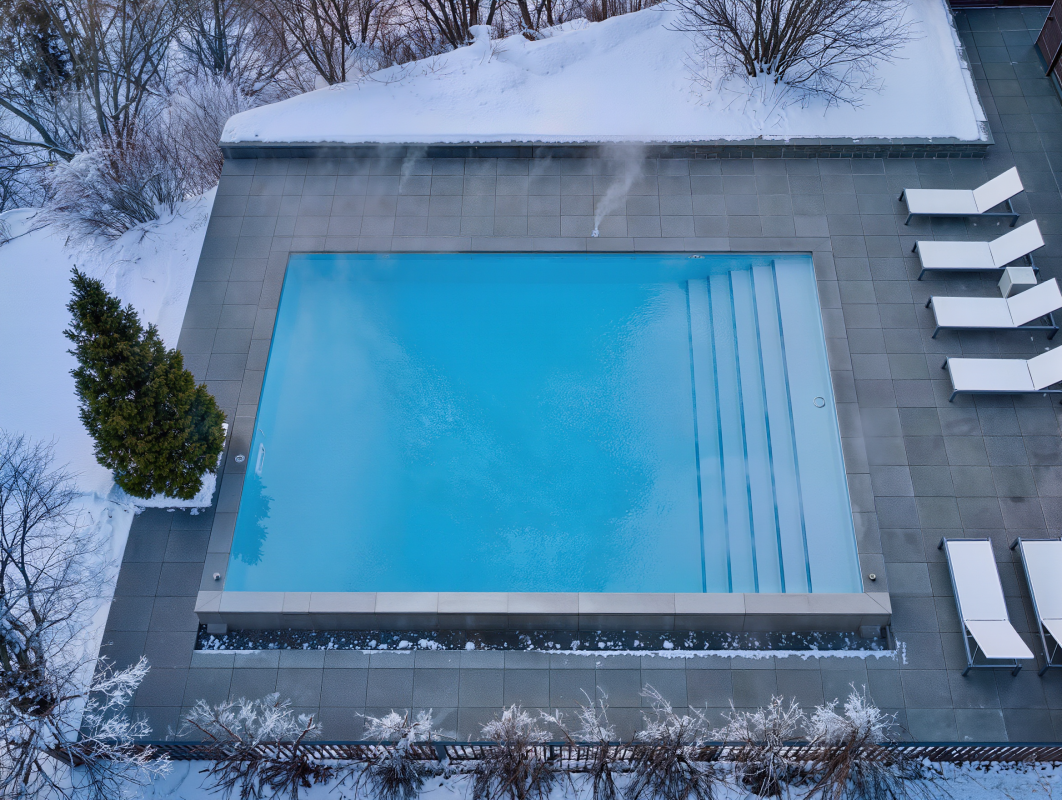
Choosing the right pool tile for freeze thaw environments is crucial for maintaining the integrity of your pool. This article explores essential considerations that ensure your pool tile withstands harsh seasonal cycles. Understanding these factors helps prevent damage and prolongs the lifespan of your pool surfaces. In regions like Burlington, Ontario, where freeze thaw cycles are frequent, pool tile selection plays an important role. We will guide you through the necessary aspects to consider for effective tile performance.
A pool tile for freeze thaw is designed to endure temperature variations without cracking or deteriorating. These tiles incorporate materials that resist water absorption and expansion caused by freezing temperatures. The freeze thaw pool tile must meet specific standards to handle the stress from freezing and thawing cycles safely. Material composition and manufacturing processes define their resilience. Selecting tiles based on these qualities ensures durability during seasonal changes.
Durable pool tiles offer greater resistance and longer service life compared to standard tiles. Pool tile freeze resistant properties include low porosity, strength, and the ability to absorb minimal moisture. When subjected to freeze thaw conditions, tiles without these qualities may crack or become loose. In contrast, durable pool tiles maintain adherence and structure, avoiding costly repairs. This implies that investing in these tiles benefits pool owners facing seasonal temperature fluctuations.
Best Materials for Cold Climate Pool Performance
For example, ceramic or porcelain tiles with low water absorption rates are highly recommended for tiles for freeze thaw pools. Porcelain tiles are fired at higher temperatures, making them denser and less absorbent. This quality reduces the risk of water infiltration and subsequent freeze damage. In Burlington’s cold climate, choosing porcelain tiles often results in better performance during winter months. Their durability helps maintain aesthetic appeal and structural stability for outdoor pools.
Taking all these points into account, it becomes clear that selecting appropriate pool tile for freeze thaw scenarios prevents damage and protects investments. Knowing this sets the foundation for making informed tile choices. The next section will focus on the tile specifications that matter most for swimming pools, helping refine your decision-making process.
Key Tile Specifications for Freeze Thaw Pools
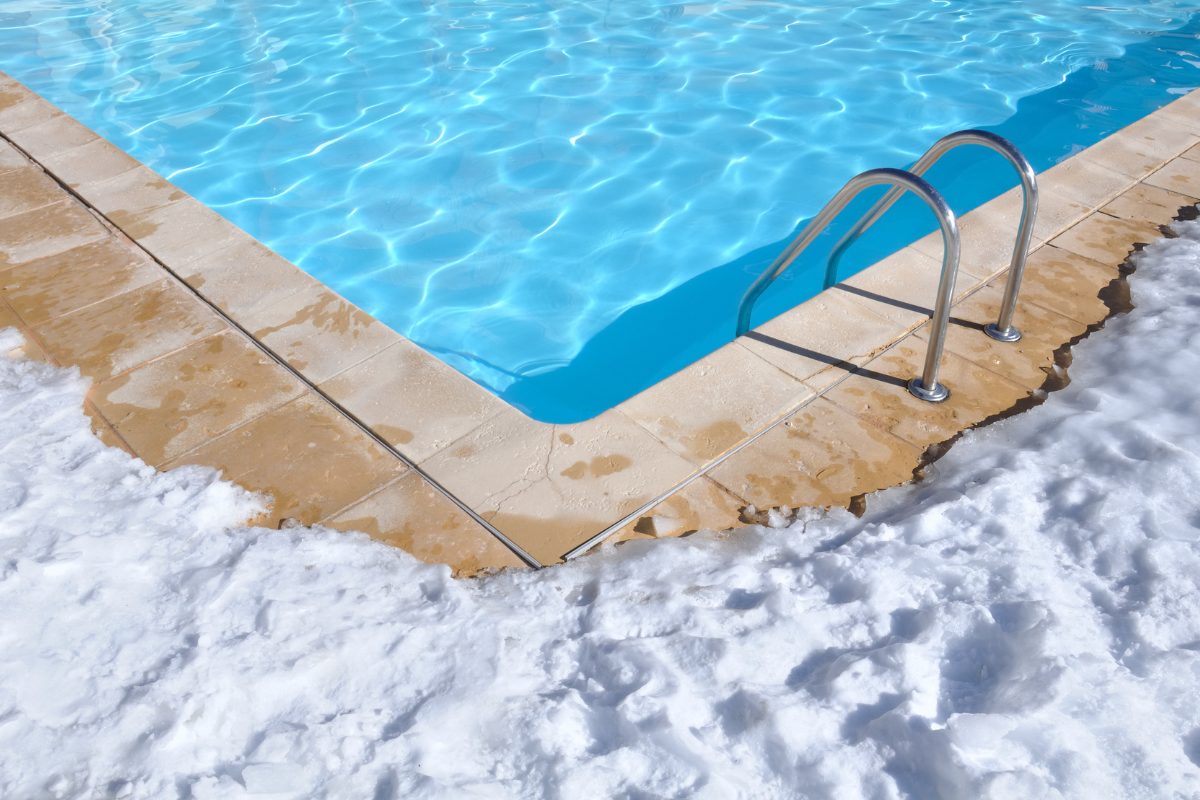
Understanding tile specifications is critical when choosing pool tile selection freeze thaw options. Each specification affects a tile’s ability to withstand harsh conditions. Awareness of these details empowers you to pick the best product for your pool’s environment. Considering Burlington’s freeze-thaw challenges, we emphasize these technical characteristics here. This knowledge supports wise purchasing decisions.
Tile porosity, water absorption rate, hardness, and slip resistance are important specifications impacting pool longevity. The water absorption rate indicates how much moisture a tile can absorb, influencing freeze damage risk. Hardness refers to scratch and wear resistance, while slip resistance enhances safety. Porcelain tiles are favored for their low absorption and high hardness. Certified tiles for freezes thaw pools often exceed 0.5% water absorption limits, making them ideal.
Comparing these specs allows for evaluating which tiles perform better in cold weather cycles. Low water absorption minimizes freeze-induced cracking by limiting moisture penetration. High hardness reduces surface abrasion from chemicals or foot traffic. Furthermore, suitable slip resistance prevents accidents around wet pool areas. These combined qualities make durable pool tiles reliable choices in freeze-thaw climates.
To apply this knowledge practically, consider tiles graded for outdoor use with technical data sheets specifying these attributes. Review test results for freeze-thaw resistance, especially designed for climates similar to Ontario. Manufacturers will often list these details clearly for consumer confidence. This approach ensures you meet standard requirements without risking premature tile failure.
By focusing on these specifications, you enhance the durability and aesthetics of your pool tile installation. It is valuable to relate these features back to the environment where they will perform, such as Burlington’s cold winters. Next, we will examine installation methods that complement your tile choice and ensure longevity during freeze-thaw cycles.
Installation Best Practices
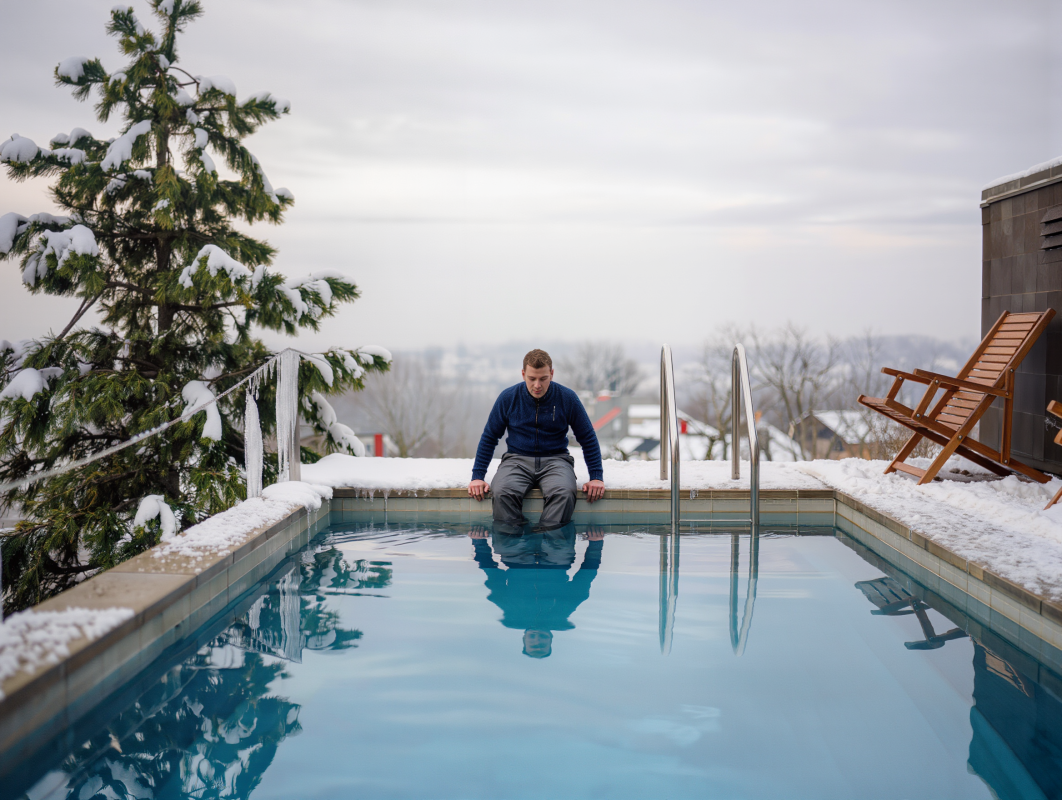
Proper installation is essential when working with pool tile for freeze thaw conditions. Even the best tiles may fail prematurely if installation is poor. This section highlights techniques that preserve tile integrity and enhance freeze-resistant performance. Installing correctly ensures tiles handle temperature variations effectively.
Key considerations during installation include selecting suitable adhesives, applying correct grout, and permitting adequate curing time. Adhesives must be flexible and waterproof to accommodate substrate movement caused by freeze-thaw cycles. Grout should be non-porous to prevent moisture infiltration. Curing time allows materials to set securely under controlled conditions, reducing vulnerabilities. These steps are critical for freeze thaw pool tile longevity.
Comparing standard installation with freeze-thaw focused methods clarifies how important these practices are. Traditional installations may overlook adhesive flexibility, leading to tile loosening or cracking through repeated temperature stress. In climates like Burlington, observing these enhanced procedures can prevent costly repairs or replacements later. This added attention significantly improves tile performance despite challenging weather.
An example of good practice includes using polymer-modified thinset mortar for setting tiles and epoxy grout for joints. These materials resist water damage and offer elasticity. Using professional installers familiar with freeze-thaw conditions further assures compliance. Adopting such methods supports durable pool tiles that maintain appearance and function year-round.
Ultimately, effective installation safeguards your investment and complements the pool tile selection freeze thaw process. The following section focuses on maintenance tips for sustaining tile quality through seasonal changes.
Maintenance Tips for Freeze Thaw Pool Tiles
Maintaining pool tile for freeze thaw environments is vital for long-term durability and aesthetics. This section offers practical advice to help pool owners in Burlington protect their tiles from winter damage. Regular upkeep enhances tile performance and prevents costly repairs. Adopting these maintenance strategies prolongs tile life.
Basic maintenance includes cleaning to remove debris, checking grout integrity, and addressing cracks promptly. Cleaning prevents surface stains and mold buildup, which can weaken tile surfaces. Inspecting grout ensures seals remain intact, limiting water penetration during freeze cycles. Prompt crack repairs stop damage progression. These steps are essential for freeze thaw pool tile upkeep.
Comparing neglected tiles and well-maintained tiles highlights the importance of ongoing care. Ignoring small defects in freeze-thaw climates accelerates degradation from water ingress and expansion. On the other hand, routine checks and cleaning maintain tile strength and appearance. This preventive approach saves time and money by avoiding extensive restorations.
For example, using mild cleaning agents and avoiding harsh chemicals preserves tile glaze and structure. Sealing grout lines yearly adds extra protection against moisture. Monitoring water chemistry also prevents corrosion and scaling issues that may harm tiles. These habits directly support durable pool tiles during seasonal transitions.
Incorporating regular maintenance into your pool care routine maximizes the benefits of your pool tile selection freeze thaw. Next, we will explore the importance of preventing tile cracking during installation and provide resources for further information.
Preventing Tile Cracking and Further Resources

Preventing cracks in pool tile for freeze thaw usage is paramount to maximizing durability and pool longevity. This section explains simple measures that minimize cracking risks. It also directs you to valuable resources for further guidance. Well-informed pool owners achieve better outcomes in freeze-thaw environments.
Cracking often results from improper installation, thermal stress, or poor material choice. Using pool tile freeze resistant designs with appropriate installation reduces these issues. Stress relief joints and flexible adhesives help accommodate substrate movements. Understanding and applying these techniques lowers crack formation during temperature changes.
Comparing outcomes with and without such precautions shows clear advantages in durability. Pools in Burlington benefit from recognizing freezing risks and taking proactive steps. Following manufacturer recommendations and using tested products further improve tile longevity in cold climates.
Use resources like the guide on how to prevent tile cracking during installation, which provides expert advice and practical tips. This external link complements your knowledge and supports correct application methods. For more insights on tile specifications, consult this internal resource that details key factors affecting performance.
In conclusion, careful material selection, proper installation, and diligent maintenance form the foundation of successful pool tile freeze thaw management. Being prepared with the right information and resources empowers Burlington pool owners to enjoy durable, attractive pools year-round.
- Choose porcelain tiles with low water absorption for freeze-thaw resistance.
- Use flexible, waterproof adhesives during installation.
- Maintain grout seals to prevent moisture infiltration.
- Clean tiles regularly with mild agents to avoid damage.
- Inspect and repair minor cracks promptly.
- Follow expert guides on installation techniques to reduce cracking.
