

Design, Trends & Aesthetics
How Pool Tile Reflectivity Impacts Lighting
Aug
Understanding Pool Tile Reflectivity and Its Importance
Pool tile reflectivity plays a crucial role in determining the overall lighting and ambiance of a swimming pool. This effect influences not only how the pool looks during the day but also how it appears under artificial lighting at night. By understanding the concept, pool owners can make better decisions for their projects. This section introduces the basics of reflectivity and highlights its significance in pool design, especially in regions like Montreal.
Reflectivity refers to the ability of the tiles to bounce light back rather than absorb it. High reflectivity tiles create a shimmering effect by amplifying natural and artificial light. This phenomenon can significantly affect the brightness and overall lighting of the pool area, making it either inviting or subdued depending on the tile choice. Different tile materials and finishes influence the level of reflectivity.
The implications of these tiles extend to energy efficiency as well. Reflective surfaces require less powerful lighting to achieve the desired brightness, which can lower energy consumption and operational costs. Moreover, the aesthetic appeal is enhanced as the water appears clearer and more vibrant, enriching the pool experience especially in Montreal’s varying daylight conditions.
An example of how these surfaces impact lighting can be seen in pools located in areas with shorter daylight hours such as Quebec. By choosing these tiles, homeowners ensure their pools remain visually appealing even during the long winter evenings. These tiles help maintain an illuminated and bright pool atmosphere which is essential for both safety and enjoyment.
With this understanding, we can now explore specific effects of tile brightness on lighting and ambiance. The next section will delve deeper into how to select the right tile to optimize lighting effects for your Montreal pool.
How Pool Tile Brightness Influences Lighting Effects
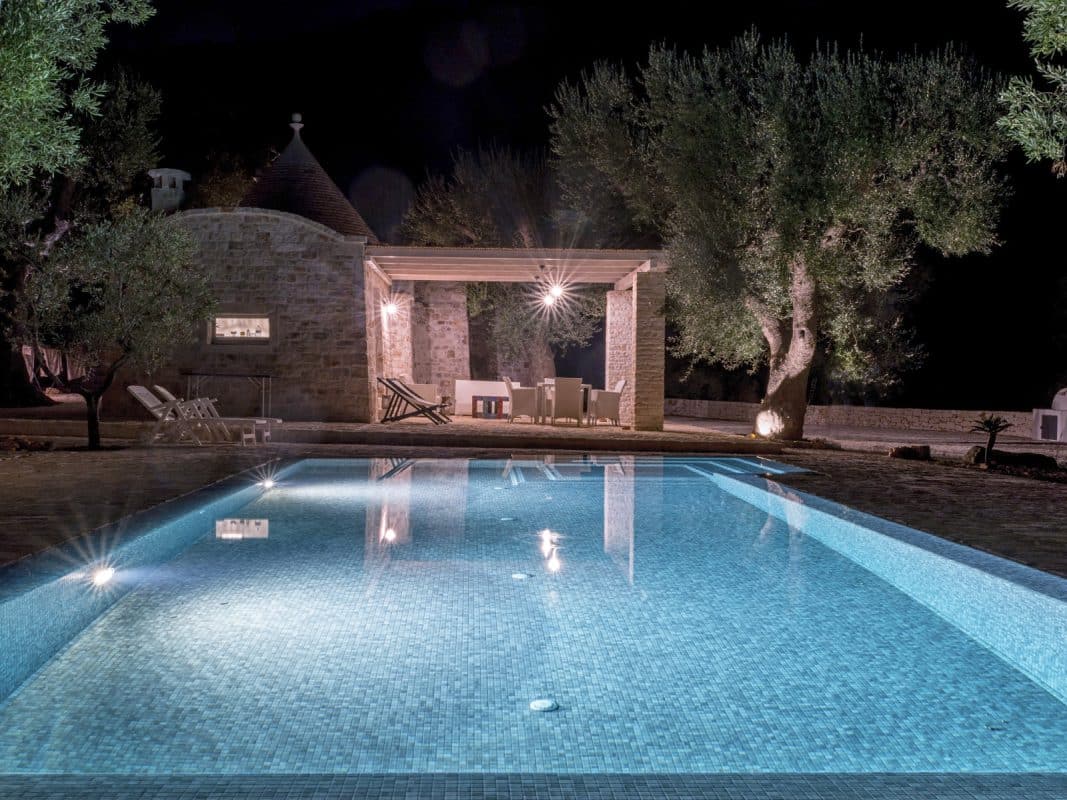
The brightness of pool tiles directly affects the quality and quantity of light reflected around the pool environment. Bright tiles enhance the lighting effects, contributing to a visually stimulating water surface. This aspect is essential for creating a desirable pool atmosphere irrespective of the time of day.
Brightness in pool tiles is determined by their color, material, and surface texture. Lighter colors and smooth finishes reflect more light, making the water appear brighter and more vibrant. Conversely, darker colors tend to absorb more light, resulting in a subdued lighting effect. Understanding these properties empowers pool designers and homeowners when it comes to tile selection.
In Montreal, where natural light fluctuates seasonally, brightness determines how inviting the pool looks year-round. Reflective tiles with higher brightness maintain a lively ambiance despite shorter daylight hours. Additionally, artificial lighting works synergistically with bright tiles to deliver enhanced visual appeal during nighttime swimming sessions.
For instance, choosing tile colors that maximize brightness can make the water seem more transparent and clean. This effect encourages pool use and enjoyment while also improving safety by increasing visibility around the pool perimeter. To select the best color, consider insights from this guide on tile color selection.
Overall, brightness is a key factor affecting both aesthetics and practical lighting. In the next section, we will examine how different styles of reflective tiles contribute uniquely to lighting and pool ambiance.
Exploring Different Types of Reflective Pool Tiles
Reflective tiles come in various types, each offering unique lighting advantages and aesthetic choices. Understanding their characteristics helps in optimizing reflectivity to suit specific pool environments and personal preferences. This section highlights common types and their impact on lighting.
Glass tiles, for example, are highly reflective and popular for pools in Montreal due to their luminous quality. Ceramic tiles can also exhibit reflective properties when glazed properly, offering durability alongside brilliance. Metallic and mosaic tiles especially enhance the effects generated by adding sparkle and dynamic reflections.
Choosing the right type depends on the desired lighting outcome and maintenance considerations. Glass tiles tend to cause brighter reflections and greater light dispersion, while ceramic tiles provide softer, more uniform brightness. Each material influences how reflectivity works with both natural and artificial light.
An application of this can be seen in upscale Montreal pool designs where artists integrate reflective tiles to create mesmerizing light patterns underwater. Such selections not only improve visual appeal but also affect how pool users perceive the water’s cleanliness and clarity.
As a next step, we will discuss the practical effects of how tiles affect lighting specifically in terms of energy efficiency and visual safety in the Montreal climate.
How Pool Tiles Affect Lighting: Practical Effects in Montreal
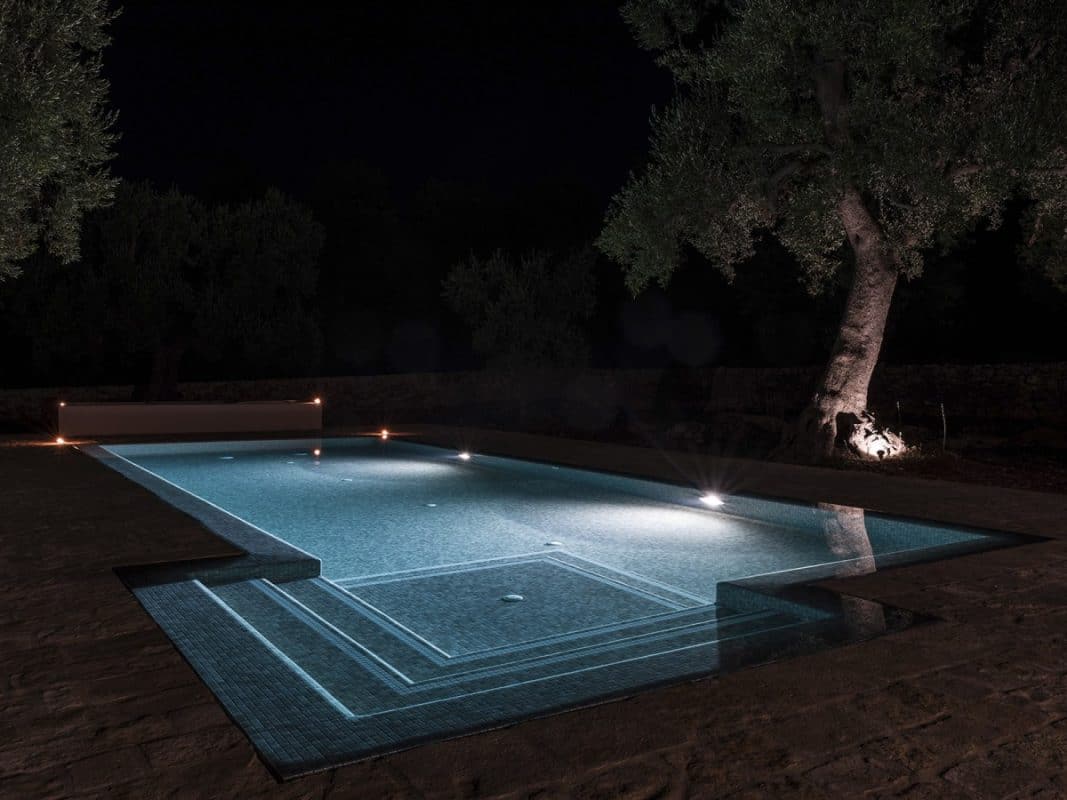
Understanding how tiles affect lighting goes beyond aesthetics; it impacts practical aspects like energy use and safety. This is especially pertinent in Montreal, where seasonal changes dictate lighting needs for outdoor pools and indoor aquatic spaces. Tile reflectivity can optimize these vital factors effectively.
Reflective tiles amplify ambient and artificial lighting, reducing the need for high-energy bulbs. Enhanced light reflection decreases electricity costs while maintaining desired brightness levels. This energy efficiency aligns with sustainable practices increasingly sought by pool owners in Quebec’s metropolitan areas.
Furthermore, improved lighting due to reflective tiles increases visibility around the pool. Enhanced clarity helps to prevent accidents by illuminating potential hazards. Brightness can thus be a safety feature, making nighttime swims safer in residential Montreal pools where outdoor lighting conditions vary significantly.
For example, in icy or snowy conditions common in Quebec winters, reflective tiles combined with well-placed underwater lights ensure the pool remains evenly lit without glare or shadows. This application highlights how technical considerations and aesthetic preferences converge in reflectivity choices.
The following section will provide specific recommendations and tips on selecting tiles to maximize reflectivity benefits for lighting optimization.
Tips for Choosing Pool Tiles to Maximize Reflectivity
Selecting the right tiles is essential for achieving optimal reflectivity and enhancing lighting effects. This section presents practical tips to help Montreal pool owners and designers make informed tile purchases that improve both aesthetics and functionality.
First, consider tile color carefully; lighter colors tend to increase brightness significantly. Additionally, smooth or glossy finishes reflect more light, so select tiles with polished surfaces. Durable materials like glass or glazed ceramics offer lasting reflectivity, especially important in Quebec’s climate.
Second, plan for the integration of lighting systems with tile characteristics in mind. Reflective tiles work best when paired with adjustable pool lights that can highlight the effects. Position lights to create shimmering water reflections and vibrant pool environments.
Third, review expert resources such as the detailed advice on which pool tile colors make water look bluer. These insights can guide the choice of reflective tiles that complement water hues for a stunning visual impact.
Finally, for comprehensive guidance on tile color selection, visit this internal page to balance reflectivity and style. These tips ensure your pool in Montreal will benefit from both increased brightness and captivating lighting effects.
Benefits of Reflective Pool Tiles for Pool Ambiance and Safety

Reflective tiles offer multiple benefits that extend beyond appearance, influencing pool ambiance and safety. In this final section, we synthesize how these enhancements improve the overall pool environment, especially in Montreal’s unique climate and lifestyle.
The primary benefit is improved lighting that creates a welcoming and vibrant setting. These tiles make the water sparkle, increasing the visual appeal and encouraging more frequent use. This effect is amplified under artificial lighting, transforming night swims into pleasurable experiences.
Enhanced brightness also contributes to safety by improving underwater visibility and reducing dark spots around the pool edges. This is vital in Quebec where outdoor lighting conditions vary widely. Reflective surfaces help swimmers and supervisors detect hazards quickly, minimizing accident risks.
Moreover, these tiles assist in energy conservation by decreasing the need for excessive lighting. This practical advantage is significant in urban areas like Montreal, where energy efficiency is both an economic and environmental priority.
Ultimately, choosing these tiles combines style, safety, and sustainability. Pool owners in Montreal can utilize their benefits to create beautiful, well-lit pools that offer enjoyable and secure experiences throughout the year.
- Choose lighter tile colors to maximize reflectivity and brightness.
- Opt for smooth or glossy tile surfaces to enhance light reflection.
- Pair reflective tiles with adjustable pool lighting for best effects.
- Consider durable materials such as glass or glazed ceramics for lasting shine.
- Review expert advice on tile color for water enhancement.
- Plan lighting placement to avoid glare and dark spots.
