


Protect your pool investment
Why Premium Pools Fail Without Epoxy Grout
Cement grout breaks down over time — staining, cracking, and allowing water behind your tile. Epoxy grout protects your mosaic investment for decades.
💧100% Waterproof
✦Stain & Mold Resistant
☀UV & Chemical Resistant
◇Built to Last for Decades
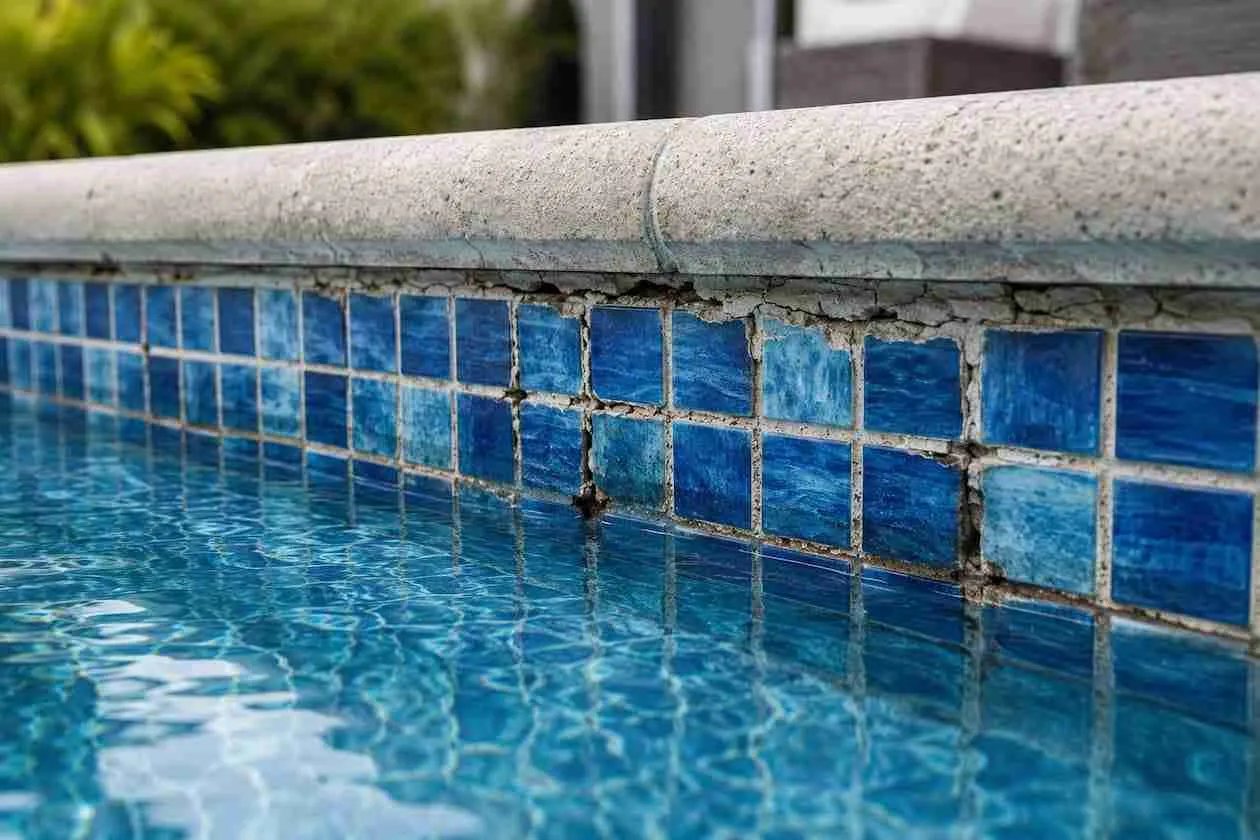
The hidden threat
The Real Danger Beneath the Surface
Standard cement grout is porous. It absorbs water, sunscreen, and chemicals. Over time, it stains, weakens, and allows bacteria to grow.
- Stains and discoloration
- Cracks and tile movement
- Mold and bacteria buildup
- Expensive repairs and regrouting
The clear difference
Cement vs. Epoxy Grout
| Features | Cement Grout | Epoxy Grout |
|---|---|---|
| Water Resistance | Porous — absorbs moisture | Non-porous — fully sealed |
| Stain Resistance | Discolors easily | Repels stains and oils |
| Chemical Resistance | Limited protection | Withstands chlorine, salt, and UV |
| Mold Growth | Creates a breeding ground | Eliminates it completely |
| Durability | Fails within years | Lasts for decades |
Built for beauty that lasts
💧
Completely Waterproof
Creates a non-porous seal that keeps water out and your installation protected.
☀
Chemical & UV Resistant
Defends against chlorine, salt, and sunlight — preventing fading or erosion.
✦
Stain-Proof
Dirt, oil, and algae can’t cling. Simply rinse to restore brilliance.
🛡
Crack Resistant
Flexible enough to expand and contract with temperature shifts.

Make the right choice today
Once You Fill the Pool, There’s No Going Back.
Your grout choice decides your pool’s future — decades of elegance or years of frustration. Choose epoxy grout. Protect your investment for life.
❄
Designed for Cold ClimatesEngineered for freeze & thaw conditions.
◇
Professional GradeOnly the best materials. Nothing less.
🚚
Fast & Reliable ShippingAcross Canada & USA.
🛡
Expert SupportWe’re here to help you succeed.