

Pool Tile Selection & Comparison
Glass Mosaic Tiles vs Porcelain: Which Is Better for Pools?

Feb
Understanding the Basics of Glass vs Porcelain Pool Tiles
Choosing the right tile for your pool is crucial for durability and appearance. In this guide, we explore glass vs porcelain to help you decide. This essential pool tile comparison covers key properties that influence performance and aesthetics. Pools in Montreal benefit from selecting the right material, considering the local climate and conditions. Understanding the basics sets the stage for a well-informed choice.
Glass pool tiles are known for their reflective qualities and vibrant colors. Porcelain pool tiles, meanwhile, offer strength and versatility with various finishes and styles. Both options have specific manufacturing processes that define their durability and maintenance. Glass tiles often feature a smooth, shiny surface, while porcelain tiles can mimic natural stone or ceramic looks. These materials meet different needs based on pool design and user preferences.
The implications of choosing these materials extend beyond appearance. Glass mosaic differs from porcelain pools in their resistance to chemicals and surface texture, affecting long-term upkeep. Porcelain tiles are denser and generally more resistant to wear and frost, making them suitable for colder climates like Quebec. On the other hand, glass tiles provide a unique aesthetic boost and quick drying surface but may require careful installation. Weighing these factors is vital.
For example, a Montreal homeowner opting for glass mosaic tiles might enjoy brilliant color and light reflection but should consider the tile’s reaction to pool chemicals. Alternatively, porcelain tiles are beneficial where mechanical resistance and lower maintenance are priorities. Glass and porcelain combinations are also possible for creative designs, offering both visual interest and practicality. Choosing between these materials depends on your pool’s usage and environmental conditions.
In summary, the basics of these materials frame the larger discussion of performance and aesthetics. Pool owners in Quebec have specific needs due to the climate, which influences tile selection. Knowing the foundations will help you appreciate the detailed pool tile comparison coming next.
Key Differences Between Glass Mosaic and Porcelain Pool Tiles
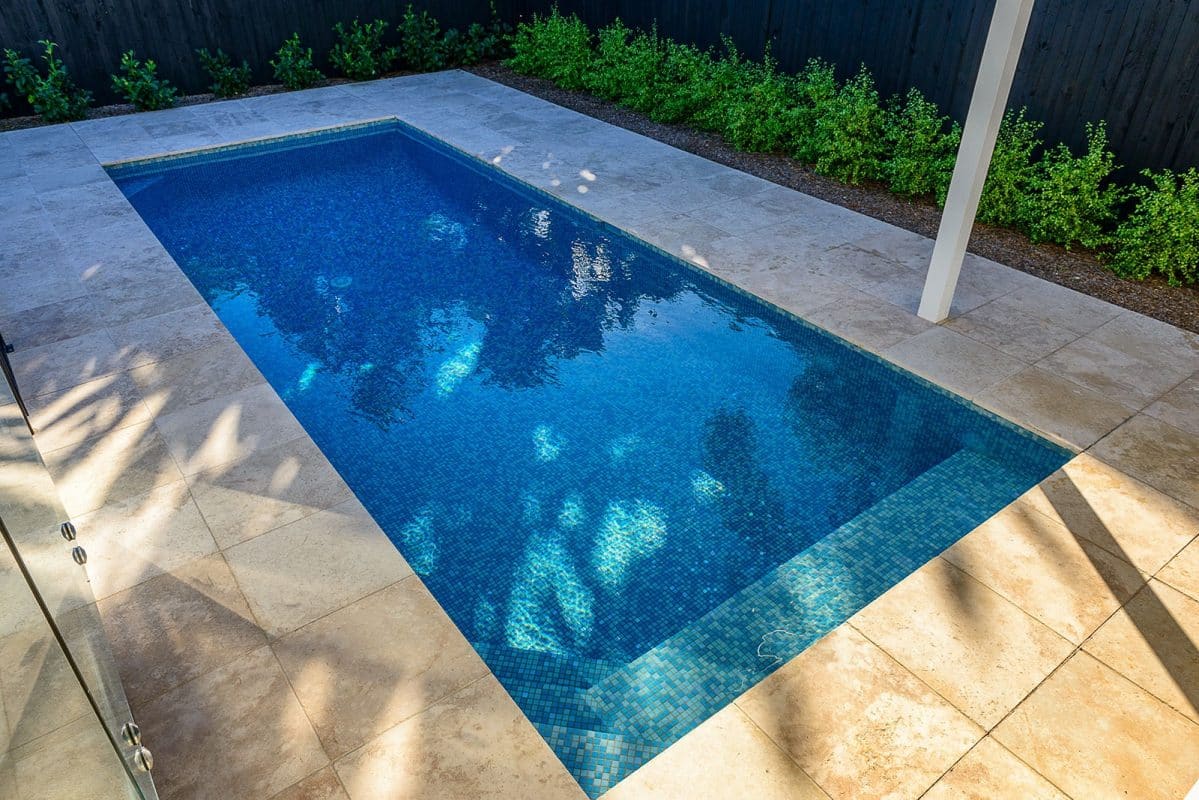
Identifying the key differences between the tile options clarifies the main debate. This section breaks down the most important distinguishing features. Each tile type offers unique benefits and disadvantages that affect pool longevity and look. This is particularly relevant for pools in Montreal, where durability in diverse weather is essential. Knowing these differences helps guide your choice.
Glass pool tiles typically have high light reflectivity and bright color options, adding a luxurious shine to pools. Porcelain tiles are more opaque, with strong resistance to chipping and cracking due to their dense structure. Additionally, porcelain tiles often have better frost resistance, vital in Quebec’s fluctuating climate. Glass tiles are more prone to surface damage if not properly maintained or installed with high-quality adhesives. These distinctive traits drive the pool tile comparison debate.
Understanding practical implications, glass tiles’ smooth, non-porous surface resists algae but may be slippery when wet. Porcelain’s textured finishes provide better grip and safety around pool decks. Maintenance routines differ, and chemical resistance varies—glass can be more affected by pool chemicals over time. This aspect necessitates regular upkeep. These functional differences impact both pool usability and overall experience, particularly in Montreal’s environment.
As an example, pools in Montreal with heavy seasonal use may prefer porcelain tiles for their resilience against freeze-thaw cycles. However, those seeking visually striking and colorful designs might lean towards glass tiles, accepting extra care requirements. Consulting experts and review of multiple materials is advisable for making a confident decision. Both tile types have distinct roles depending on style and durability priorities.
In conclusion, key differences in material properties, surface texture, and maintenance highlight the real challenge. This knowledge prepares you for understanding installation and longevity factors crucial for your pool.
Installation and Longevity Considerations in Glass vs Porcelain

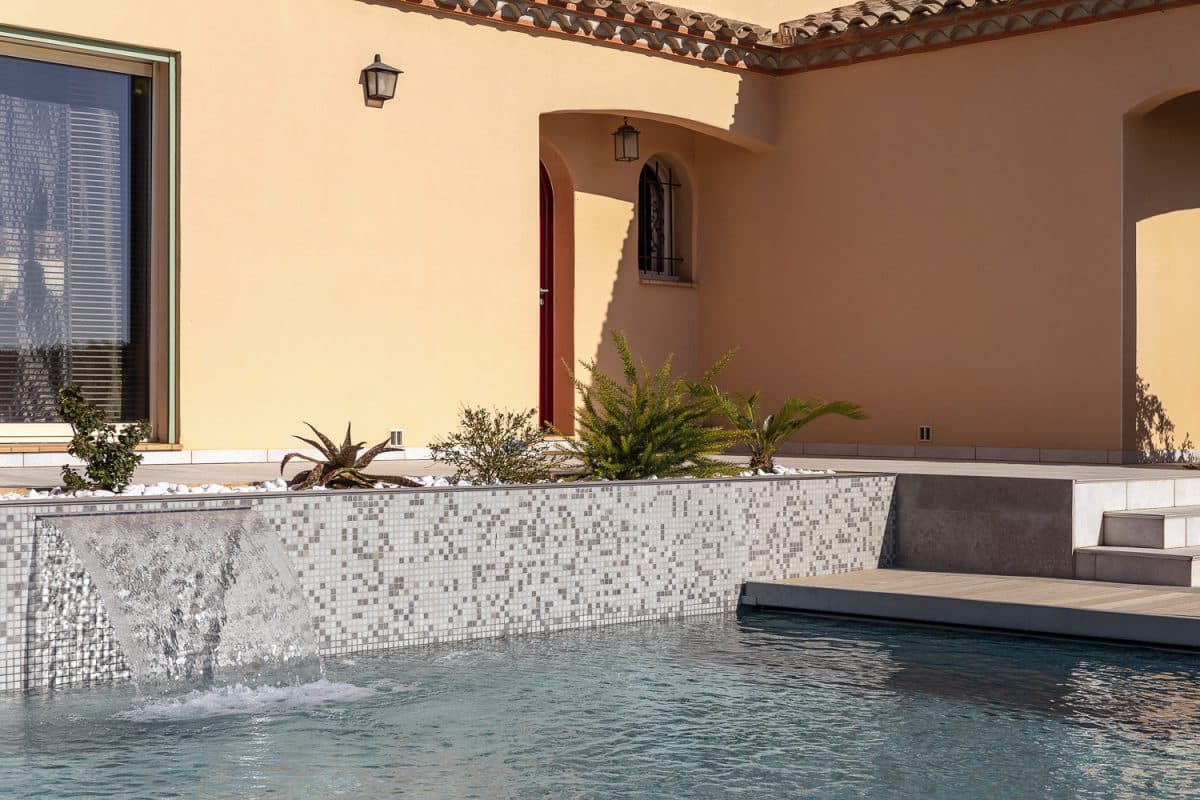


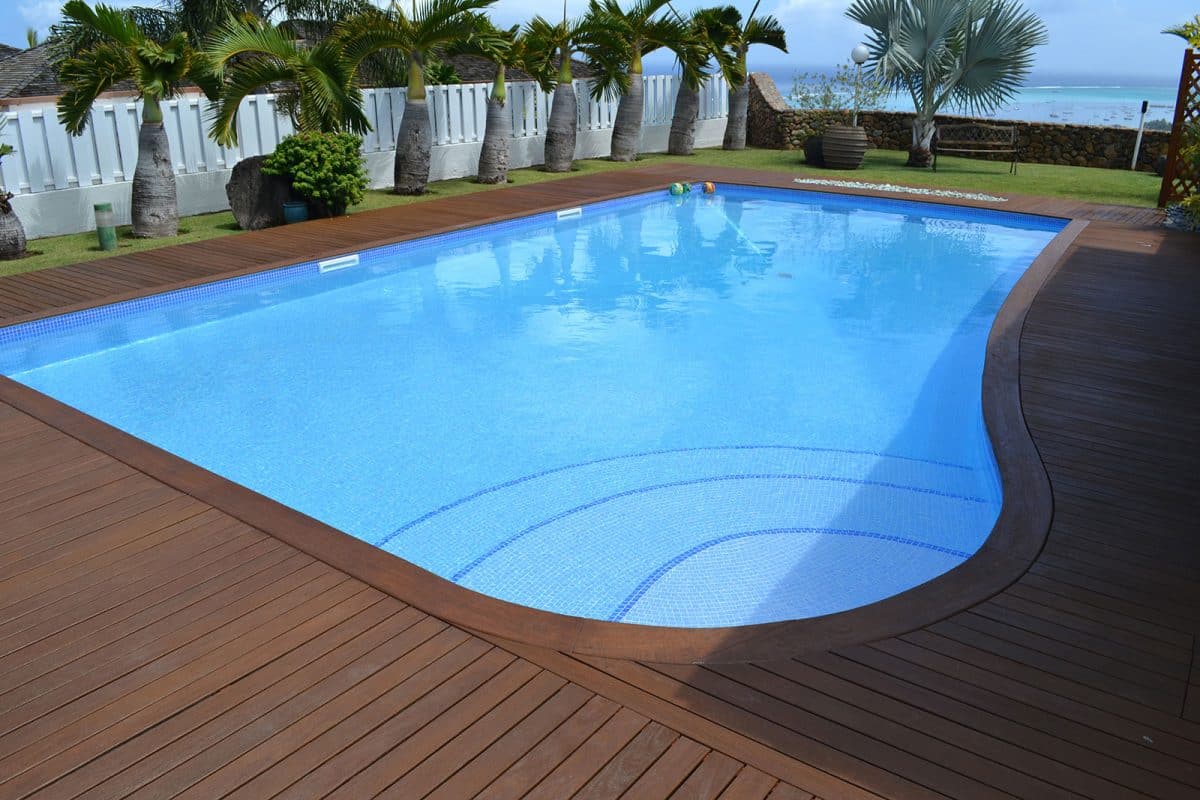
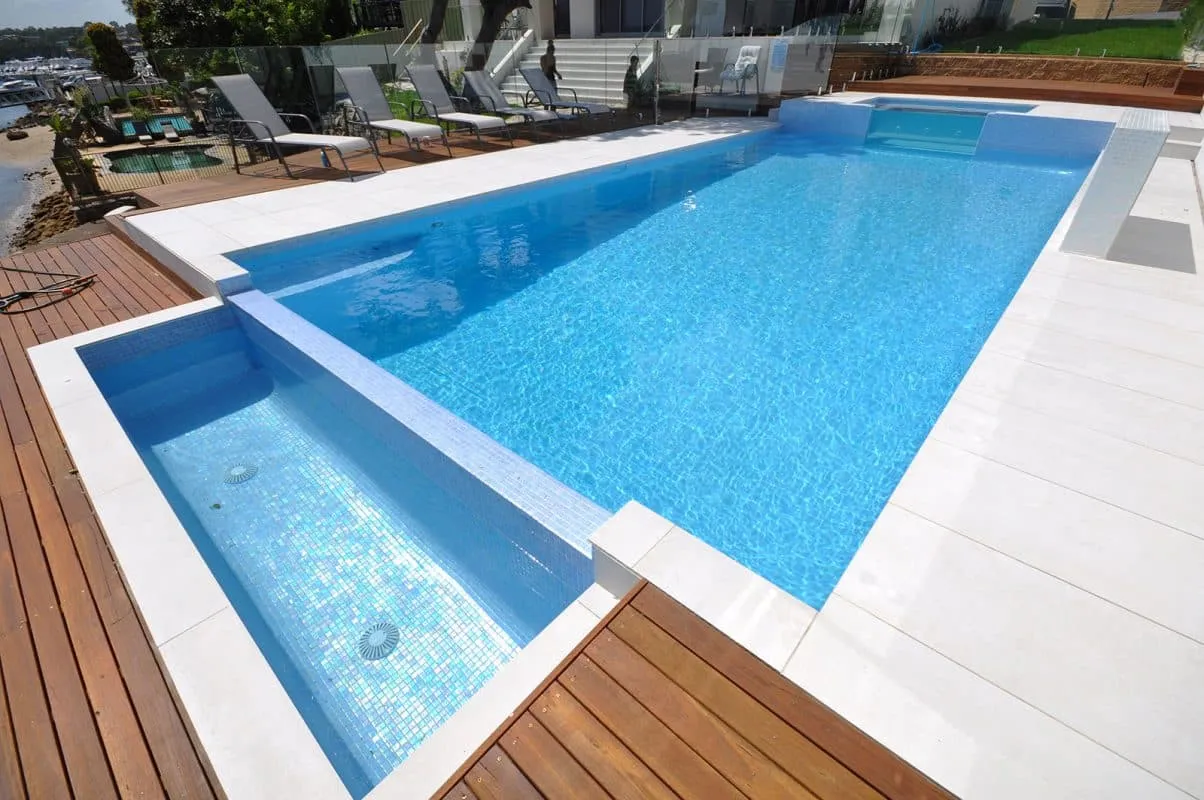
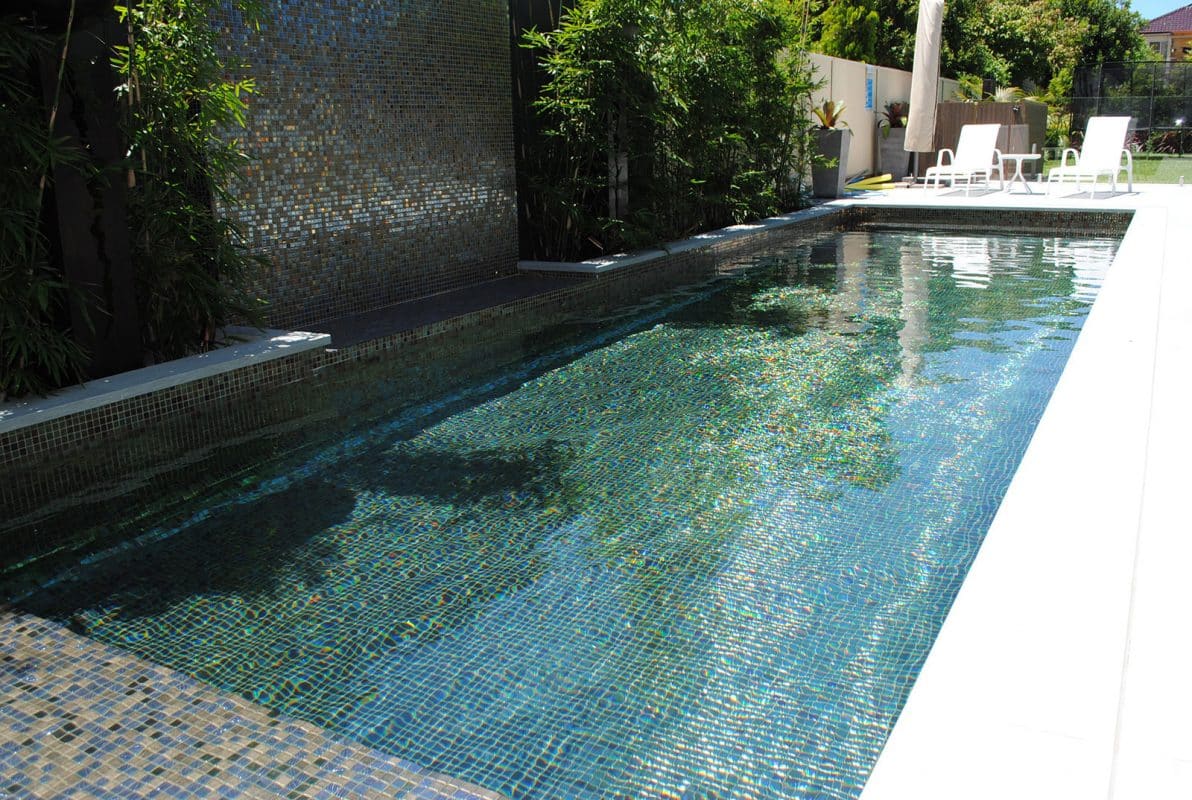
Installation and longevity are major considerations when deciding between materials for pools. This section discusses how each pool tile type performs over time and their requirements during installation. Proper installation is critical because it ensures tile durability and a pleasing pool aesthetic. Montreal’s climate influences these factors, making installation expertise especially important. Understanding longevity helps prevent costly repairs.
Glass pool tiles require different handling compared to porcelain tiles because glass is more fragile. Installation demands specific adhesives and grouts to withstand water exposure and chemical interaction. Porcelain tiles are heavier and denser, often easier to install with traditional methods but needing precise subfloor preparation to avoid cracking. Both tile types benefit from professional installation to maximize lifespan. These differences affect installation costs and timelines.
Longevity also depends on tile resistance to pool chemicals and weather conditions common in Quebec. Glass tiles may fade or etch over time if exposed to harsh chemicals, while porcelain generally holds up better under extensive chemical use. Furthermore, porcelain is less vulnerable to freeze and thaw damage, which extends its usable life. Maintenance practices play a role, but material properties fundamentally influence how long each tile type lasts in a pool setting.
For example, a Quebec pool owner selecting glass tiles should ensure the use of chemical-resistant grout and plan for routine inspections to catch early wear. Porcelain tiles present less risk of damage from seasonal weather changes but may require sealing for stain resistance. Proper installation techniques tailored to each material are essential to prevent future problems and maintain pool aesthetics. Choosing a trustworthy installer experienced with both materials benefits the project’s success.
Ultimately, installation and longevity are intertwined factors that strongly impact decisions. Solid installation paired with material strengths results in pools that look great and last in Montreal’s regional conditions.
Maintenance and Chemical Resistance in Pool Tile Comparison
Maintenance demands and chemical resistance critically influence the pool tile comparison. This section promises practical guidance on upkeep differences, assisting in making a long-term decision. Pool owners want tiles that can endure chemicals and require manageable cleaning efforts. Montreal’s local water chemistry and environmental exposure underscore the importance of reliable tile materials that maintain performance. Proper care enhances pool presentation and function.
Glass pool tiles generally offer a smooth surface that resists algae growth and is easy to clean. However, they are more vulnerable to damage from harsh pool chemicals, which can cause surface dulling or tiny cracks. Porcelain pool tiles usually provide superior chemical resistance, with a dense structure that prevents absorption and deterioration. This makes porcelain a strong candidate in pools with higher chemical use. Differences in chemical resistance are a vital aspect of maintaining tile condition.
Expanding on this, glass tiles can require gentle cleaning agents to avoid damage, while porcelain may tolerate a wider array of cleaning methods. Pool owners must consider these differences when planning maintenance routines. Furthermore, choosing the right grout and sealants, especially chemical-resistant products, extends tile life and appearance. For detailed advice on chemical resistance for pool tiles, several expert resources are available for review. Learn why chemical resistance matters here.
Consider a Montreal pool where high chlorine or saltwater conditions prevail. Selecting porcelain tiles can minimize chemical damage and reduce long-term maintenance costs. Glass pool tiles may still be chosen for aesthetic reasons but would require vigilant upkeep. Understanding these maintenance and chemical resistance factors leads naturally into a deeper dive on design and style choices for pool tiles.
In summary, maintenance and chemical resistance are critical in evaluating tiles for pools. Balancing ease of care with durability ensures your pool stays beautiful and functional in Quebec’s climate.
Design and Style Trends in Pools
Design trends are a defining factor in the debate for pools, influencing aesthetic appeal and personalization. This section explores popular styles and how each tile type serves creative visions. Montreal homeowners often seek stylish pools that reflect current trends while fitting regional tastes. Selecting the right tile complements landscaping and overall property design, enhancing poolside enjoyment and property value.
Glass pool tiles are prized for their vibrant colors and light-reflective qualities, which add depth and brilliance. Porcelain pool tiles offer a wide range of textures and finishes, often mimicking natural stone, creating elegant, understated looks. Pool tile comparison reveals that combining glass mosaic elements with porcelain enables unique patterns and visual effects. This versatility encourages experimentation within design boundaries.
Examples of trending designs include mixing glass pool tiles with porcelain for accent features or borders, which provide contrast and highlight specific pool areas. Mosaic and porcelain pools can capitalize on textured porcelain surrounds paired with shiny glass interiors to balance practicality with artistic flair. Such combinations are popular in Montreal’s luxury residential pools, reflecting both function and fashion. Trend analysis helps pool owners choose tile types aligned with modern aesthetics.
Imagine a Montreal pool with a shimmering blue glass mosaic bottom and porcelain tile coping that matches natural stone paths. This combination maximizes the strengths of each material while satisfying design ambitions. Custom patterns and color schemes supported by available pool tile options enrich user experiences. Awareness of these style trends supports an informed selection consistent with personal and regional preferences.
In conclusion, design considerations play a crucial role alongside technical factors. The conversation extends beyond utility into the realm of art and style, relevant for any pool project in Quebec or beyond.
The Bottom Line: Making the Best Choice for Your Montreal Pool
Choosing between these pool tiles involves balancing aesthetics, durability, installation, and maintenance. This final section consolidates the comparison for decision-making specifically suited to Montreal pools. It promises a clear summary, helping pool owners decide based on facts and local context. Every choice carries benefits and trade-offs that must align with specific pool conditions and user needs.
Glass pool tiles offer radiant beauty and diverse color options but may demand increased care and expense due to fragility and chemical considerations. Porcelain pool tiles provide rugged durability, superior chemical resistance, and adaptability to cold climates typical of Quebec. Both tile types require professional installation and can complement various pool designs. The decision depends on priorities including budget, appearance, and maintenance willingness.
Weighing the factors seen in this pool tile comparison reveals no universally better option—only choices matched with individual pool goals. Montreal owners looking for longevity and low upkeep might prefer porcelain, while those prioritizing bold aesthetics could select glass mosaic tiles. Hybrid designs can also satisfy demands from both perspectives.
- Evaluate your pool’s exposure to chemicals and climate extremes before choosing tile material.
- Consider cost implications for installation and maintenance specific to materials.
- Match tile style with overall pool design to enhance visual coherence.
- Choose experienced installers familiar with both tile types in the Montreal area.
- Use high-quality chemical-resistant grouts and sealants to extend tile life regardless of type.
- Regularly maintain your pool’s tiles to avoid premature wear and damage.
Your Montreal pool deserves the right tile choice based on informed understanding. By considering all essential factors, you can create a beautiful, durable pool that reflects your personal style and withstands regional challenges.
