

Maintenance, Cleaning & Longevity
Do Saltwater Pools Damage Tiles?

Jul
Understanding Saltwater Pool Tile Damage
Saltwater pool tile damage is a common concern among pool owners, especially in regions like Vancouver, British Columbia. The promise of a beautiful, long-lasting pool surface often hinges on understanding the underlying causes of tile damage. This section introduces the topic by explaining the key factors that contribute to saltwater pool tile damage.
Such damage primarily results from the interaction between saltwater and the materials used in pool tiles. Saltwater pools and tiles undergo constant exposure to salt, which can lead to corrosion or surface wear over time. These reactions cause changes in the tile’s appearance and structural integrity.
Expanding on this, tile corrosion tends to affect certain types of tiles more than others. For example, natural stone tiles are often more vulnerable compared to porcelain or glass tiles due to their porous nature. Saltwater can penetrate these surfaces, leading to deterioration or discoloration.
As an application, many Vancouver pool owners notice effects like fading or rough textures, especially if maintenance is neglected. Using tiles designed to withstand saltwater can significantly reduce these problems. Regular cleaning also helps minimize salt residues, preventing accelerated wear.
Overall, understanding the causes and types of such tile damage paves the way for better pool care practices. The next section will delve deeper into how saltwater pools harm tiles and how to mitigate these effects.
How Do Saltwater Pools Harm Tiles?
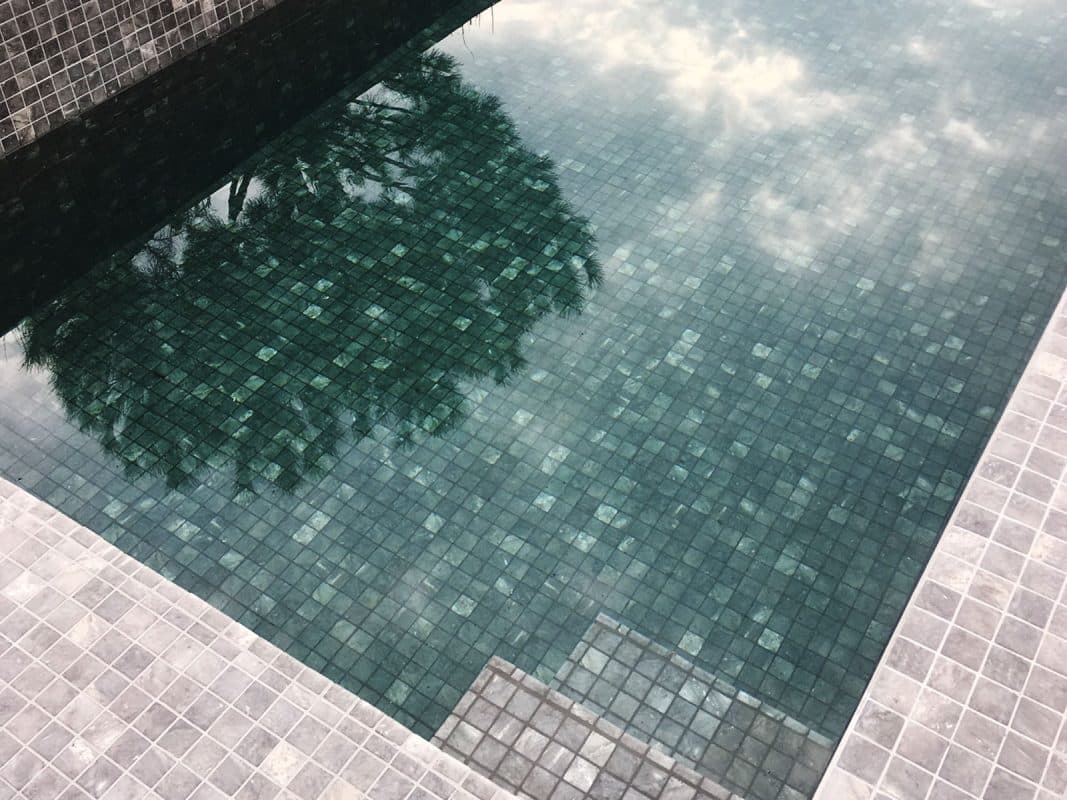
Knowing how saltwater pools harm tiles is crucial to protecting your investment. This section promises clarity on the chemical and physical processes that trigger tile damage in saltwater environments, particularly relevant for Vancouver climates.
The harm mainly comes through salt crystallization and chemical reactions between salt and tile materials. When water evaporates, salt crystals form on tile surfaces, causing microscopic scratches and weakening tile bonds. Additionally, saltwater’s slightly alkaline nature can erode grout and adhesives.
Delving deeper, damage is not always immediately visible but becomes apparent over months or years. For instance, recurring exposure to saltwater can cause grout shrinkage or even tile loosening, posing safety and aesthetic issues. The combination of moisture and salt significantly increases corrosion risk.
In practical terms, pool owners in Vancouver should inspect their tiles regularly for signs of damage such as cracks or discoloration. Implementing routine maintenance and using specialized sealants can mitigate saltwater’s harmful impact and extend tile life.
Understanding these effects also leads naturally into exploring specific corrosion effects and preventive methods, which we will address next.
The Effects of Saltwater Pool Tile Corrosion
This section focuses on corrosion and its implications for homeowners. Readers will learn how it affects tile longevity and ways to identify early signs of deterioration in their Vancouver pools.
Corrosion happens when saltwater chemically reacts with tile surfaces and grout materials, causing gradual degradation. Over time, this process weakens structural integrity, resulting in chipped or cracked tiles and diminished pool aesthetics.
Comparatively, tiles exposed to chlorinated pools often fare better against corrosion. Saltwater’s mineral content accelerates chemical reactions that damage tiles differently than chlorine does. This makes understanding these effects vital for those maintaining such pools.
For example, if corrosion is detected early, timely repairs or replacement with corrosion-resistant materials can prevent extensive damage. Vancouver’s climate, which sometimes includes rain and humidity, may speed up this corrosion if pools aren’t properly covered or maintained.
Recognizing these effects solidifies the need to consider protection options, which we will explore in the following section.
Prevention Strategies for Saltwater Pool Tile Damage
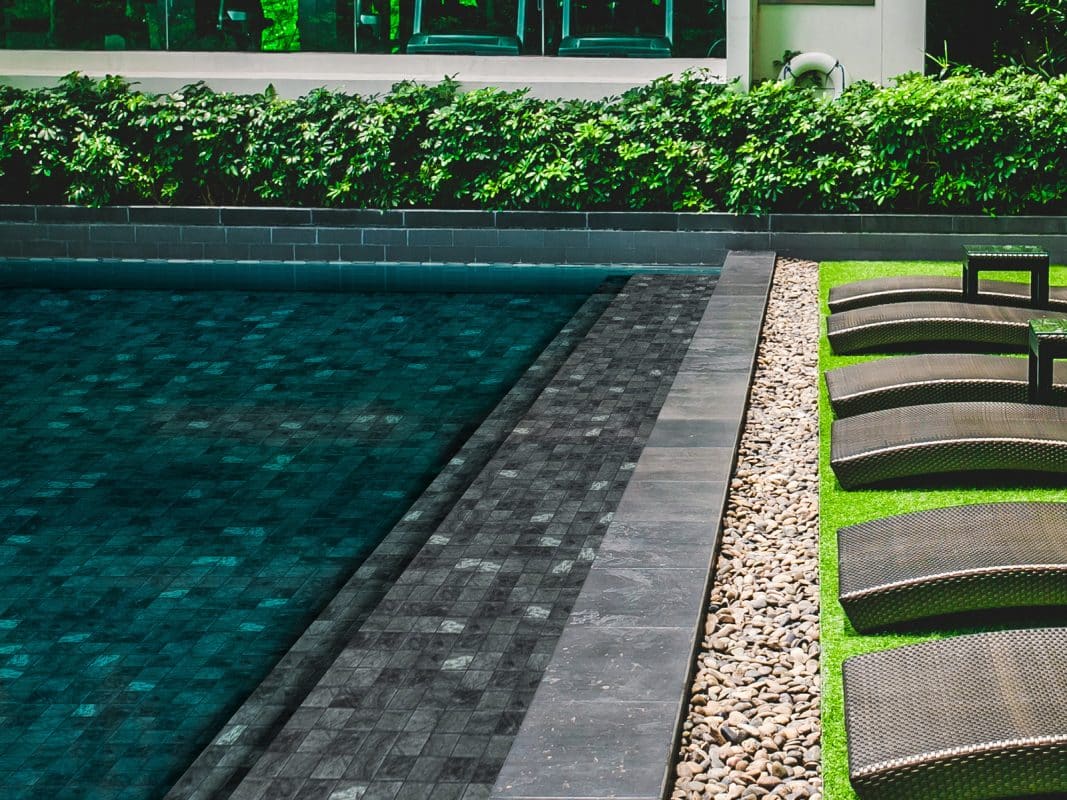
Preventing tile damage is achievable with the right knowledge and proactive measures. This section promises actionable tips to help pool owners in Vancouver keep their tiles in top condition.
Effective prevention involves selecting durable tile materials and applying high-quality grout adhesives designed for saltwater pools. Proper sealing and routine cleaning also reduce the harmful buildup of salt residues. These steps hinder the processes that lead to tile damage.
Expanding on these strategies, regular testing of pool water chemical balance is critical. Maintaining proper pH levels and salt concentrations lessens corrosive effects and prevents grout erosion. Combining material choice with maintenance forms the best defense.
For practical advice, you can explore recommended grout adhesives for saltwater pools at this helpful guide. Using products tailored for saltwater environments safeguards grout bonds and tile longevity in Vancouver pools.
Ultimately, these prevention strategies empower pool owners to extend the beauty and safety of their pools. Next, we will examine the role of tile selection and installation practices to further reduce damage risks.
Choosing Tiles and Installation for Saltwater Pools

Choosing the right tiles and installation methods for such pools significantly impacts durability. This section offers insights into tile options suitable for Vancouver’s setting, balancing aesthetics and resilience.
Tile selection should prioritize materials resistant to saltwater effects, such as porcelain, glass, or non-porous ceramics. These options minimize absorption and withstand corrosion better than natural stone. Installation techniques also matter, including the use of proper adhesives and sealants.
Further, professional installation that addresses the saltwater environment reduces the likelihood of tile damage from saltwater. Standard practices include thorough surface preparation and using corrosion-resistant grout, contributing to longer-lasting pool finishes.
For detailed installation tips, visit this expert resource on tiling a saltwater pool. It provides guidance on ensuring your Vancouver pool’s tiles endure despite saltwater exposure.
Considering both tile choice and installation techniques helps prevent common issues linked to tile damage. With this knowledge, pool owners can enjoy a durable and attractive swimming environment.
Maintaining Saltwater Pools to Minimize Tile Damage
Maintenance plays a pivotal role in minimizing such damage. This final section outlines routine care practices that Vancouver pool owners can implement to preserve their tiles’ condition effectively.
Key maintenance actions involve regular cleaning of tiles and grout to remove salt deposits that cause deterioration. Balancing water chemistry and ensuring appropriate salt levels also prevent corrosive effects. These steps help maintain a stable environment for the tile surfaces.
Additionally, periodic inspection for early signs of tile damage allows for quick repairs, avoiding costly replacements. Using suitable cleaning agents and tools designed for saltwater pools protects the tile finish while removing harmful residues.
Practical maintenance tips include setting a schedule for water testing, surface cleaning, and grout repairs. Following these practices consistently in Vancouver’s varied climate will help your pool tiles stay in excellent shape longer.
By committing to proper maintenance, pool owners can greatly reduce the risks of tile damage and enjoy their saltwater pools without worry for years. This brings us full circle in understanding and managing tile health.
- Use salt-resistant tile materials such as porcelain or glass.
- Apply high-quality, waterproof grout adhesives specialized for saltwater pools.
- Maintain balanced water chemistry with regular testing.
- Clean tiles frequently to remove salt buildup and prevent corrosion.
- Inspect tiles regularly for cracks or grout damage early.
- Follow professional tiling and installation guidelines for saltwater pools.
